 listicle
Residential HVAC System Repair Phoenix: Complete Guide
Table of Contents
- Residential HVAC System Repair in Phoenix: What You Need to Know
- Common AC Problems and Troubleshooting for Phoenix Homes
- Emergency HVAC Repair Phoenix: When to Call for Immediate Service
- HVAC Maintenance Tips for Phoenix Homeowners
- DIY vs. Professional Repair: When to Call a Certified Technician
- Average Cost of HVAC Repair Phoenix and Transparent Pricing
- Why Choose Home Tech for Your Residential HVAC System Repair
- Frequently Asked Questions
Last Updated: July 14, 2026
Residential HVAC System Repair in Phoenix: What You Need to Know
When your air conditioning stops working during a Phoenix summer, you're facing more than just discomfort, you're looking at potential health risks and a race against the heat. At Home Tech, we've spent over a decade helping homeowners navigate residential HVAC system repair phoenix situations, from simple thermostat fixes to complex compressor failures. The reality is that most AC breakdowns in the Phoenix area are preventable with proper maintenance, yet homeowners often wait until systems fail completely before calling for help.
This guide walks you through the most common AC problems affecting Phoenix homes, when to attempt DIY fixes versus calling a certified technician, and how transparent pricing actually works in the HVAC repair industry. Below, we'll show you exactly what happens during a typical service call, why Phoenix's extreme heat creates unique challenges for cooling systems, and how to avoid the costly mistakes that lead to premature unit replacement.
Common AC Problems and Troubleshooting for Phoenix Homes
The majority of residential AC failures in Phoenix fall into a handful of predictable categories. Understanding what's actually wrong with your system helps you communicate effectively with technicians and avoid unnecessary repairs.
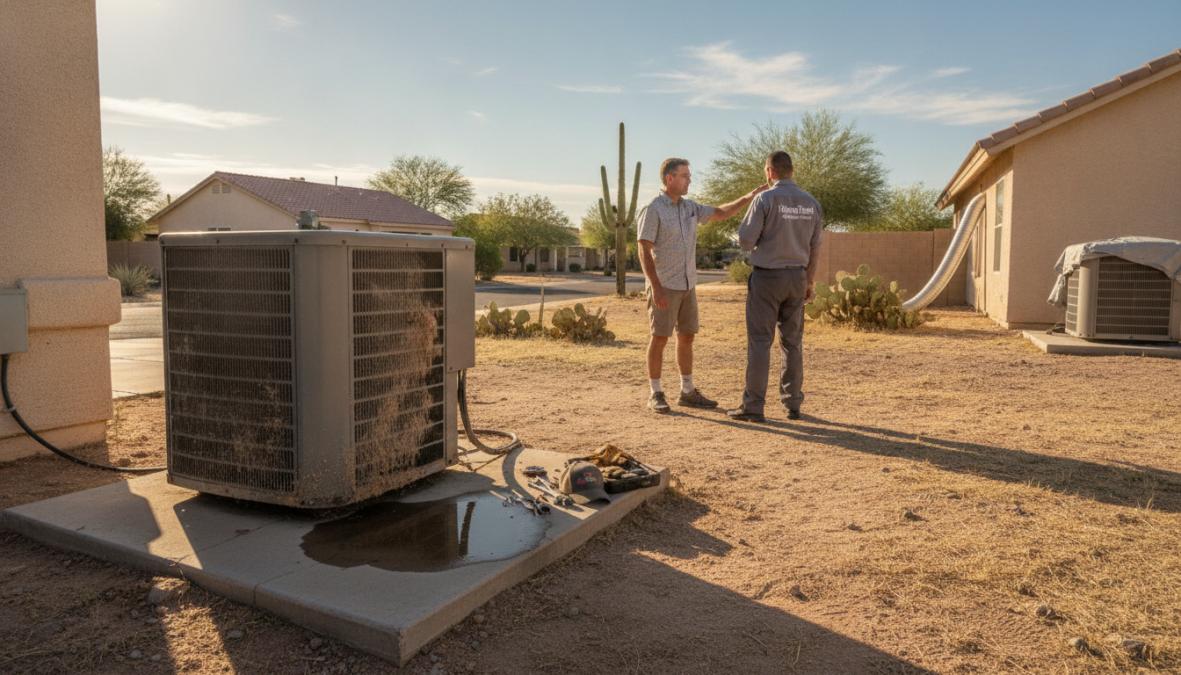
Refrigerant Leaks and Low Charge
A refrigerant leak is one of the most common reasons Phoenix AC units fail during summer months. Your system relies on refrigerant circulating through sealed copper lines to absorb heat from indoor air. When those lines develop even a pinhole leak, refrigerant escapes and cooling capacity drops dramatically.
The symptoms are unmistakable: your AC runs constantly but never reaches the thermostat temperature, ice forms on the outdoor condenser unit, or you hear a hissing sound near the condenser. Many Phoenix homeowners assume they need a new unit when actually they just need the leak located and repaired, then a refrigerant recharge.
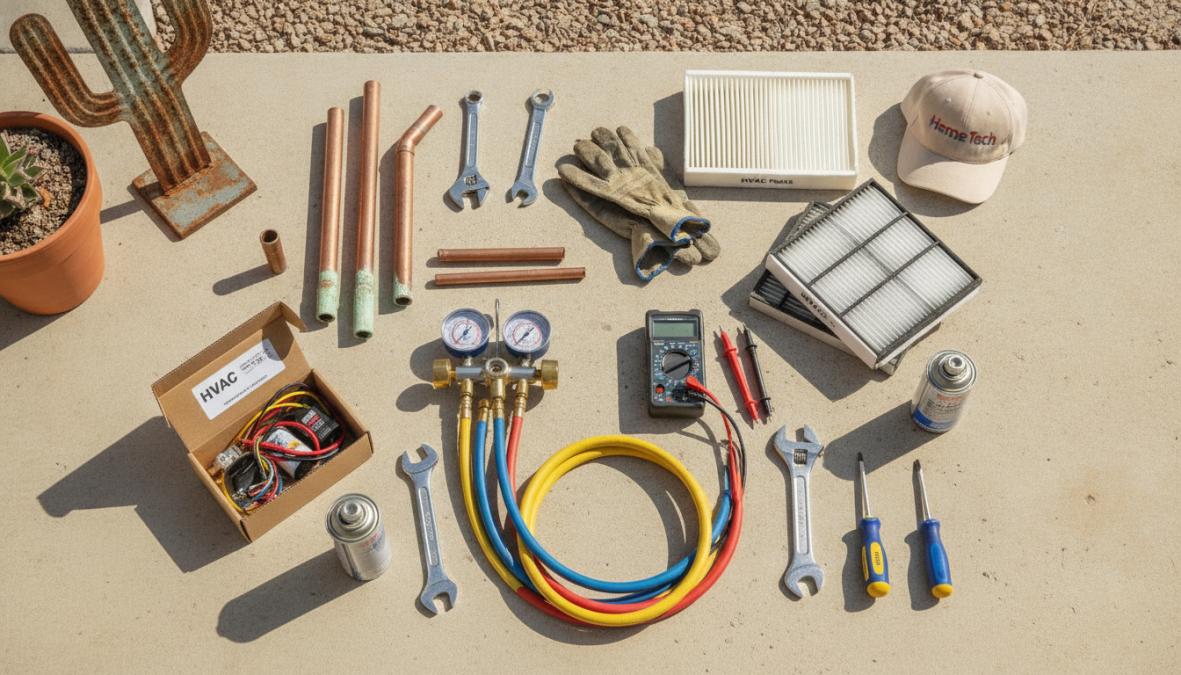
Finding the leak is the critical first step. Technicians use electronic leak detection equipment to pinpoint exactly where refrigerant is escaping. Once located, the leak is sealed, whether that's a valve replacement, a brazed connection repair, or a new section of copper line. After repair, the system gets evacuated (all remaining refrigerant removed), and then recharged with the correct amount for your specific unit.
The cost varies dramatically based on leak location. A valve leak might cost between service call charges and a few hundred dollars. A pinhole in the line requires cutting out that section and brazing in new copper, which runs higher. The key is addressing leaks immediately, a slow leak becomes a catastrophic one in Phoenix heat.
Compressor Failure and Thermostat Issues
The compressor is your AC system's heart. It pressurizes refrigerant and circulates it through the system. When a compressor fails in Phoenix, you've got a serious problem, they're expensive to replace and often signal the end of a system's useful life.
Compressor failures usually develop gradually. You might notice the system struggling to cool, making strange grinding or rattling noises, or tripping the breaker repeatedly. Sometimes failure is sudden: the system stops cooling entirely and you hear nothing from the outdoor unit at all.
The challenge with compressor repair is the cost-versus-replacement decision. A compressor replacement alone runs several thousand dollars, but many Phoenix systems with failing compressors are 12-15 years old anyway. At that age, replacing just the compressor often doesn't make financial sense when a new, efficient system costs only slightly more and comes with a warranty.
Thermostat issues are far more common and far cheaper to fix. A faulty thermostat might prevent your system from turning on, cause it to run constantly, or make temperature readings inaccurate. Simple fixes include replacing the batteries, recalibrating the thermostat, or upgrading to a programmable model. If the thermostat itself is defective, replacement costs $150-400 depending on whether you choose a basic model or a smart thermostat with remote control and scheduling.
Emergency HVAC Repair Phoenix: When to Call for Immediate Service
Not all AC problems can wait until business hours. Phoenix's climate creates genuine emergencies where delaying repair puts your family at risk.
Call for emergency service immediately if:
- Your AC stops cooling completely during daytime hours when outdoor temperature exceeds 100°F
- You smell burning plastic or electrical odors coming from the indoor unit or outdoor condenser
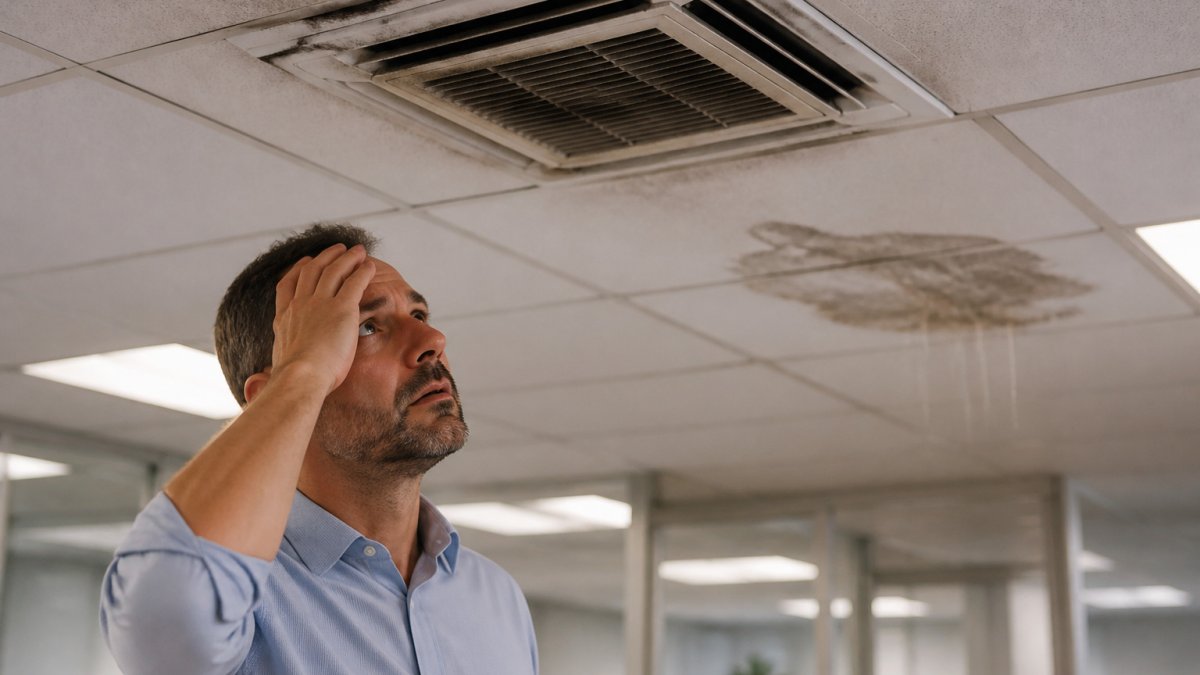
- The system is leaking water inside your home (beyond normal condensation)
- You hear loud grinding, squealing, or banging noises and the unit shuts off
- Your breaker trips repeatedly when the AC tries to start
Many Phoenix homeowners don't realize that extended exposure to indoor temperatures above 95°F creates serious health risks, especially for elderly people, young children, and anyone with respiratory conditions. This isn't about comfort, it's about safety.
Same-day emergency service is standard in Phoenix during peak season. Home Tech and other established local providers maintain emergency response teams specifically because AC failures are common and urgent in this climate. Same-day appointments typically cost more than routine service calls, but the peace of mind and health protection justify the expense when you're facing a genuine emergency.
HVAC Maintenance Tips for Phoenix Homeowners
The single best investment in AC reliability is preventative maintenance. Phoenix's extreme heat and dust-heavy environment put constant stress on cooling systems, which is why maintenance separates homeowners who rarely need repairs from those who face constant breakdowns.
Seasonal AC Tune-Up and Filter Replacement
Your HVAC system's air filter is the easiest maintenance task and the most impactful. A clogged filter forces your system to work harder, reducing efficiency and cooling capacity while increasing wear on the compressor.
Replace your filter every 30 days during cooling season (May through September in Phoenix). If you have pets or live in a particularly dusty area, replace it every 15 days. This single task costs $10-20 per filter and prevents thousands in repairs.
A seasonal tune-up should happen before cooling season begins (April) and before heating season (October, though Phoenix heating demands are minimal). During a tune-up, a technician inspects refrigerant levels, checks electrical connections, cleans the condenser coils, lubricates moving parts, and tests system performance. This catches small problems before they become expensive failures.
Condenser coil cleaning is critical in Phoenix. The outdoor unit draws in air full of dust, pollen, and debris. Over time, this buildup restricts airflow and forces the system to work harder. A professional cleaning removes years of accumulated grime and restores efficiency.
Preventative Maintenance Plans and System Performance
Most Phoenix HVAC companies offer maintenance plans that include two annual tune-ups, priority scheduling for repairs, and discounted service rates. For homeowners, these plans typically pay for themselves within the first couple of years through prevented breakdowns and improved efficiency.
A maintenance plan also means your system gets inspected during cooler months when technicians can work more thoroughly. Spring inspections catch problems developing over winter (though winter is mild in Phoenix). Fall inspections prepare your system for the brutal summer heat.
System performance monitoring has improved dramatically with smart thermostats. Modern thermostats track runtime, temperature differentials, and cycling patterns. Unusual patterns, like the system running constantly but not reaching temperature, signal problems developing. Catching these early prevents emergency calls.
| Maintenance Task | Frequency | Impact | DIY or Professional |
|---|---|---|---|
| Air filter replacement | Every 30 days (15 days if pets) | Maintains airflow and efficiency | DIY - $10-20 per filter |
| Condenser coil cleaning | Annually (spring) | Restores cooling capacity | Professional - $150-300 |
| Refrigerant level check | Annually (spring) | Prevents compressor strain | Professional - included in tune-up |
| Thermostat calibration | Annually | Ensures accurate temperature control | Professional - $50-100 |
| Electrical connection inspection | Annually (spring) | Prevents safety hazards | Professional - included in tune-up |
DIY vs. Professional Repair: When to Call a Certified Technician
Understanding which problems you can safely address yourself and which require professional expertise saves money and prevents damage to your system.
Safe DIY tasks:
- Replacing air filters
- Replacing thermostat batteries
- Adjusting thermostat settings
- Clearing debris from around the outdoor condenser unit
- Checking that the outdoor unit has proper clearance (at least two feet on all sides)
Never attempt DIY:
- Refrigerant handling (federal law requires EPA 608 certification)
- Opening sealed refrigerant lines
- Electrical work involving the compressor or capacitor
- Repairing or replacing the compressor
- Working on high-voltage components
The reason is straightforward: refrigerant is hazardous, high-voltage electricity can be lethal, and sealed systems require specialized tools to evacuate and recharge properly. A mistake costs far more than professional service would have.
The gray area involves diagnosing problems. You can safely identify symptoms, the system isn't cooling, it's making noise, it's tripping the breaker, and describe these to a technician. You cannot safely diagnose the root cause without proper equipment.
For Phoenix homeowners, professional repair makes sense for any problem beyond filter changes and basic thermostat troubleshooting. The cost of a service call is minimal compared to the cost of a repair mistake, and certified technicians can often identify secondary problems during diagnosis that prevent future failures.
Average Cost of HVAC Repair Phoenix and Transparent Pricing
Pricing for HVAC repair in Phoenix varies based on the specific problem, the age and brand of your system, and whether the repair is routine or emergency. Understanding how pricing works helps you evaluate quotes fairly.
A typical service call charge runs $75-150 in the Phoenix area, depending on the company and whether it's during business hours or emergency time. This charge covers the technician's time to diagnose the problem and provide a quote.
Repair costs depend entirely on what's wrong. A thermostat replacement might cost $200-400. A refrigerant recharge after leak repair could run $300-600. A compressor replacement approaches $3,000-5,000 depending on the system. A complete system replacement ranges from $5,000-12,000 depending on capacity and efficiency rating.
The key to transparent pricing is getting a detailed quote before work begins. A reputable company will:
- Diagnose the problem and explain it clearly
- Provide a written quote showing labor and parts separately
- Explain why each repair is necessary
- Discuss alternatives (repair vs. replacement) when applicable
- Honor the quote without surprise charges
Many Phoenix companies advertise "no hidden fees" or "upfront pricing" because this is a major pain point in the industry. Some technicians quote low on the phone, then add charges once they see the actual problem. Transparent companies prevent this by providing detailed written quotes before starting work.
When comparing quotes from different companies, ensure you're comparing identical work. One quote might include a condenser cleaning and refrigerant recharge while another doesn't. The difference in price might just reflect the difference in scope.
Why Choose Home Tech for Your Residential HVAC System Repair
Home Tech brings over a decade of experience serving Phoenix's unique climate challenges. Our EPA 608-certified technicians handle residential HVAC repair for all major brands, Goodman, York, Carrier, and Amana units, with expertise across all refrigerant types from legacy R22 through current R410A and R454B systems.
What sets Home Tech apart is our commitment to repair-first solutions. We don't push system replacement when repair makes sense. Our technicians diagnose thoroughly, explain problems clearly, and provide transparent quotes before any work begins. Same-day and next-day appointments are standard throughout our service area, which covers Chandler, Gilbert, Tempe, Scottsdale, Phoenix, Queen Creek, Glendale, Cave Creek, and Fountain Hills.
Our 100% satisfaction guarantee means if you're not satisfied with the repair, we make it right. We're bonded and insured, and our experienced technicians clean up after themselves, you won't find refrigerant residue or debris left behind.
The residential HVAC system repair phoenix market is full of companies chasing emergency calls with premium pricing. Home Tech focuses on solving your problem efficiently and affordably. That approach has built our reputation across the greater Phoenix metro area.
Frequently Asked Questions
How much does residential HVAC system repair cost in Phoenix?
The cost of HVAC system repair in Phoenix depends on the specific problem, equipment type, and complexity of the diagnosis. Minor repairs like thermostat adjustments or filter replacements cost less than major work like compressor replacement or refrigerant recharge. For accurate pricing on your residential HVAC system repair, contact Home Tech directly at (602) 486-1901 or visit hometechappliancerepair.com for a transparent quote with no hidden fees.
What are the most common signs your AC needs repair in Phoenix?
Common signs your AC needs repair include weak airflow, warm air coming from vents, unusual noises, refrigerant leaks (visible oily residue), thermostat malfunctions, and higher-than-normal energy bills. In Phoenix's extreme heat, a failing cooling system can quickly become an emergency. If you notice any of these signs, call a certified technician promptly to diagnose the problem before it worsens.
How often should I have my residential HVAC system serviced in Phoenix?
Phoenix homeowners should schedule HVAC maintenance at least twice yearly, before cooling season in spring and before heating season in fall. Regular AC tune-ups improve system performance, extend equipment life, and prevent costly breakdowns during peak summer heat. A preventative maintenance plan ensures your cooling system stays efficient and reliable year-round in Maricopa County's demanding climate.
Are there same-day emergency HVAC repair services available in Phoenix?
Yes, Home Tech offers same-day and next-day emergency HVAC repair appointments throughout greater Phoenix, including Chandler, Gilbert, Tempe, Scottsdale, Phoenix, Queen Creek, Glendale, Cave Creek, and Fountain Hills. Our bonded and insured certified technicians provide rapid response to residential AC emergencies. Call (602) 486-1901 to schedule immediate service with no hidden fees and a 100% satisfaction guarantee.
What makes Phoenix's climate challenging for HVAC systems?
Phoenix's extreme summer heat, often exceeding 110°F, puts intense stress on residential cooling systems. The dry climate can cause refrigerant issues, and constant high-temperature operation accelerates compressor wear. Additionally, dust and debris accumulation in the desert environment clogs air ducts and filters faster than in other regions. Regular maintenance and professional diagnostics help systems handle Phoenix's unique climate demands.
When your AC fails in Phoenix heat, you need fast, reliable service from technicians who understand this climate's specific challenges. Home Tech provides same-day emergency repair, transparent pricing with no hidden fees, and 100% satisfaction guarantee on every job. Call (602) 486-1901 or visit hometechappliancerepair.com to schedule your service appointment today. Your home comfort and family safety are too important to delay.