 listicle
Best Water Filters for Refrigerator Ice Production
Table of Contents
- Why Water Filter Quality Matters for Ice Production
- Inline Water Filter for Ice Maker vs. Refrigerator Cartridge Filters
- Refrigerator Water Filter Compatibility: Matching Your Model
- How Often to Change Refrigerator Water Filter for Optimal Ice
- Water Filter Reducing Ice Production: Causes and Solutions
- Filtration Media and Contaminant Reduction
- NSF and IAPMO Certification: What It Means for Ice Quality
- Top Water Filters for Refrigerator Ice Production
- Frequently Asked Questions
Last Updated: October 19, 2026
Why Water Filter Quality Matters for Ice Production
Clean water is the foundation of quality ice. Tap water's sediment and chlorine affect taste and appliance performance, so using the best water filters for refrigerator ice production protects both your drinks and your ice maker.
A clogged filter forces your ice maker to work harder: pressure drops, production slows, and mineral buildup damages components. Better filters use activated carbon and multi-stage filtration to remove chlorine, sediment, and odors.
Most ice maker failures aren't mechanical, they stem from water quality problems a better filter would have prevented.
Inline Water Filter for Ice Maker vs. Refrigerator Cartridge Filters
Two filter types exist for refrigerator ice makers: inline filters outside the fridge and cartridge filters inside. Each has trade-offs in installation, maintenance, and performance.
Inline Filters: External Installation and Flow Considerations
Inline water filters connect to the water line feeding your refrigerator, sitting under the sink or behind the appliance, allowing a more powerful filter than the manufacturer's cartridge permits.
Inline filters handle higher water volumes and hold more media; a coconut shell carbon inline filter delivers superior contaminant reduction versus standard cartridges.
The downside is installation: you'll need to cut and connect 1/4-inch tubing, requiring basic plumbing skills or a technician.
Refrigerator-Cartridge Filters: Built-In Convenience
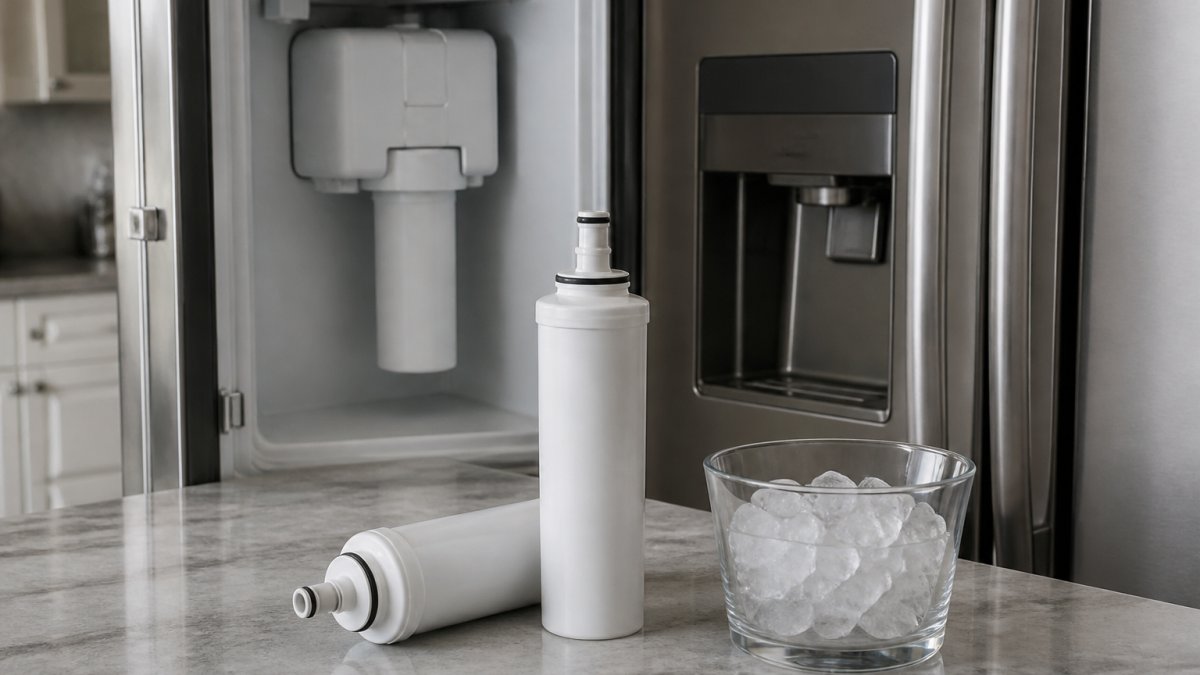
Refrigerator cartridge filters mount inside the fridge, typically above the crisper drawer or in the dispenser housing. They're purpose-built for your model, so compatibility is guaranteed.
Cartridge filters are engineered for your refrigerator's flow rates and pressure, so they won't reduce ice production.
The limitation is capacity: cartridges hold less media than inline filters, so with heavily chlorinated or sediment-rich water you may need to replace them more often than recommended.
Refrigerator Water Filter Compatibility: Matching Your Model
Buying the wrong filter is frustrating and wasteful. Compatibility depends on your water line connection type and the cartridge design your model accepts.
Finding Your Refrigerator's Filter Connection Type
Most refrigerators use standard cartridge housings, 1/4-inch push-fit connections, or proprietary quick-change systems. Check your manual or existing filter to identify yours.
Whirlpool, Amana, Maytag, KitchenAid, and JennAir share compatible cartridge designs, Everydrop Filter 1 works across these brands.
Inline filters use universal 1/4-inch tubing, so compatibility is never a question, but you must ensure your water line handles the filter's flow rate and pressure requirements.
Brand-Specific Replacement Options
Whirlpool-compatible refrigerators accept Everydrop Filter 1, NSF certified for chlorine, lead, and chromium-6 reduction. It also fits Amana, Maytag, KitchenAid, and JennAir models.
Frigidaire refrigerators use the ULTRAWF Pure Source cartridge, which reduces chlorine taste and odor while removing sediment.
For Samsung and LG refrigerators, manufacturer filters are often safest, these brands use sealed-system components and specialized ice makers that benefit from exact-spec filters.
How Often to Change Refrigerator Water Filter for Optimal Ice
Filter replacement intervals depend on your water quality, usage patterns, and the filter's rated capacity. Ignoring this maintenance is the fastest way to degrade ice quality and reduce production.
Replacement Intervals and Capacity Ratings
Most cartridge filters are rated for 6 months or 300-720 gallons, whichever comes first.
Inline filters often have higher capacity, a coconut shell carbon inline filter might be rated for 1,000 gallons or 12 months, but high sediment, chlorine, or heavy usage shortens effective life.
Track your filter's installation date and set a reminder. The refrigerator's indicator light is a rough estimate based on average usage, so replace sooner if you use ice heavily.
Signs Your Filter Needs Replacement
Watch for warning signs before the interval ends: ice that tastes like tap water or smells of chlorine means the filter is saturated, while dropping ice production or unusual humming signals a clogged filter and compromised pressure.
Discolored brown or yellow ice means sediment is bypassing a filter at the end of its life, at that point it's doing more harm than good.
Water Filter Reducing Ice Production: Causes and Solutions
If you've installed a new filter and ice production dropped, the problem is usually water pressure or filter sizing. Understanding these issues helps you troubleshoot before calling a technician.
Flow Rate and Water Pressure Impact
Your ice maker needs minimum water pressure, typically 20 PSI.
Check pressure before and after installing an inline filter.
Cartridge filters are engineered to work within your appliance's pressure specifications. If ice production drops after installing a new cartridge, the cause is usually incorrect installation or a defective filter, not the design.
Clogged Filters and Ice Output
A partially clogged filter reduces flow gradually, so ice production declines over weeks, not days.
The solution is simple: replace the filter on schedule. Don't wait for ice production to stop completely.
If you're using an inline filter with high sediment in your water, consider upgrading to a dual-stage or multi-stage filtration system.
Filtration Media and Contaminant Reduction
The material inside a filter determines what it removes from your water. Understanding filtration media helps you choose a filter matched to your water quality.
Activated Carbon and Coconut Shell Carbon
Activated carbon is the most common filtration medium in refrigerator filters.
Coconut shell carbon is a premium alternative.
Carbon block filters compress activated carbon into a solid form.
The difference shows up in ice quality. Coconut shell carbon removes more chlorine, chloramine, and odors than standard GAC.
What Contaminants Are Actually Removed
NSF and IAPMO certification standards specify which contaminants a filter must reduce to earn the certification.
A refrigerator filter certified to NSF 53 and 42 removes both health threats and taste problems.
Not all filters reduce the same contaminants. A filter certified only for chlorine removal won't touch lead or sediment.
NSF and IAPMO Certification: What It Means for Ice Quality
NSF certification requires filters to reduce contaminants to levels set by the EPA and NSF standards.
IAPMO certification follows similar standards but is recognized in different regions.
When shopping for the best water filters for refrigerator ice production, certification is your assurance that the filter actually works as advertised.
Top Water Filters for Refrigerator Ice Production
Hydroviv Refrigerator and Ice-Maker Filter
The Hydroviv Refrigerator Filter is designed specifically for refrigerator water dispensers and ice makers.
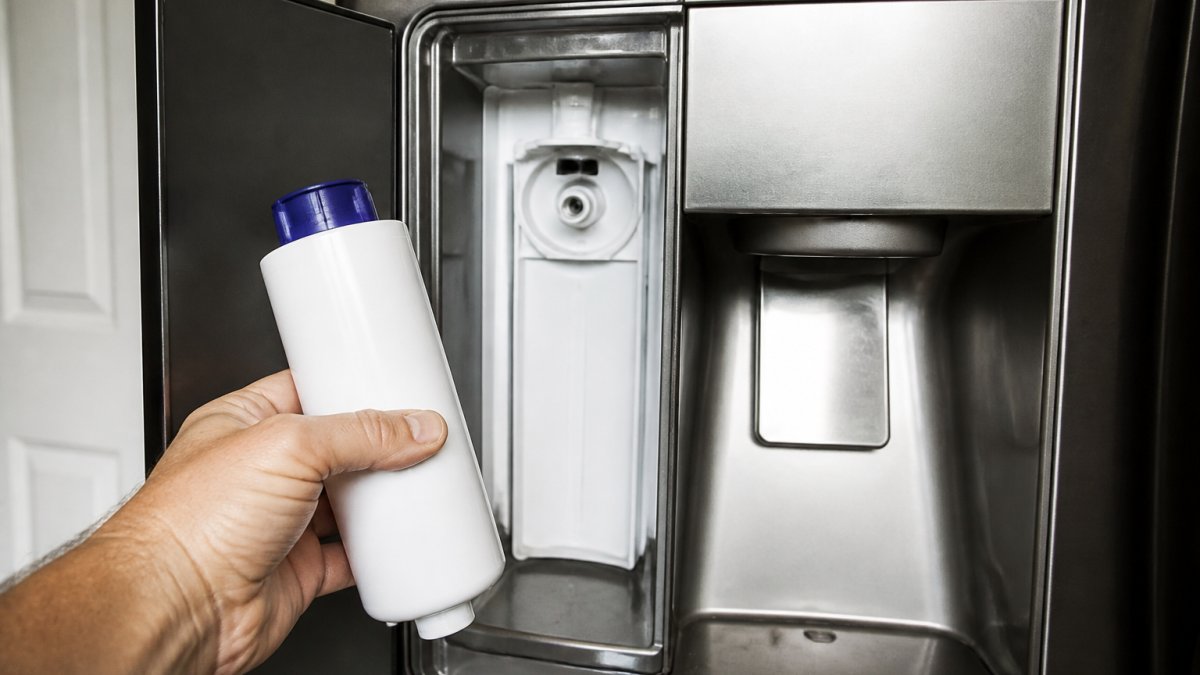
Hydroviv customizes filters based on your local water quality, which is a unique advantage. You can test your water and receive a filter tailored to remove the specific contaminants in your supply.
The 720-gallon capacity makes the per-gallon cost competitive with standard cartridges while delivering superior contaminant reduction.
Pros:
- NSF certified for lead, chromium-6, and arsenic
- Customized to your water quality
- 720-gallon capacity
Cons:
- Requires water testing to customize
- Higher upfront cost than generic cartridges
- Compatibility varies by model
Waterdrop Exterior Inline Filtration System
The Waterdrop Exterior Inline Filtration System connects directly to your refrigerator's water line, offering flexibility in filter selection and placement.
Inline filters like Waterdrop's work well if your refrigerator is located near your water source or if you want centralized water filtration for multiple appliances. Installation requires connecting 1/4-inch tubing, which is straightforward for anyone comfortable with basic plumbing.
Pros:
- Works with any refrigerator or ice maker
- Flexible placement options
- Higher filtration capacity than cartridges
Cons:
- Installation requires plumbing skills
- Requires regular maintenance monitoring
- Price not specified in available data
Premier Sales Inline Filter with Coconut Shell Carbon
The Premier Sales Best Inline Water Filter for Ice Maker uses coconut shell carbon as its primary filtration medium. It's rated at 5 microns, which captures sediment effectively while allowing adequate flow.
Coconut shell carbon outperforms standard activated carbon in independent testing. The smaller pore structure traps more contaminants and extends filter life compared to granular carbon filters.
Pros:
- Coconut shell carbon for superior contaminant capture
- 5-micron rating handles sediment effectively
- Reduces chlorine, chloramine, taste, and odor
Cons:
- Price not specified in available data
- Requires inline installation
- No NSF certification data in available information
Everydrop Filter 1 for Whirlpool and Compatible Brands
Everydrop Filter 1 is approved for Whirlpool, Amana, Maytag, KitchenAid, and JennAir refrigerators. This cartridge filter integrates directly into your refrigerator's water system, requiring no external installation.
The filter is purpose-built for these refrigerator models, which means it won't reduce ice production or create water pressure issues.
Pros:
- Works across five major appliance brands
- No installation required
- Engineered for compatible refrigerators
Cons:
- Limited to specific refrigerator models
- Price not specified in available data
- Filter capacity not detailed in available information
Culligan IC 1 EZ-Change
The Culligan IC 1 EZ-Change is recognized for ease of use. The quick-change design allows filter replacement without tools or plumbing knowledge. If simplicity is your priority, this filter removes friction from maintenance.
Culligan is a well-established water filtration brand with decades of experience. The IC 1 EZ-Change is their ice-maker-specific offering, which means it's optimized for the flow rates and pressure requirements of refrigerator ice makers.
Pros:
- Tool-free installation and replacement
- Quick-change design
- Culligan's reputation for reliability
Cons:
- Price and specifications not detailed in available data
- Certification information not confirmed in available information
Frigidaire ULTRAWF Pure Source
The Frigidaire ULTRAWF Pure Source is the OEM (original equipment manufacturer) filter for Frigidaire refrigerators.
Frigidaire-branded filters are engineered to Frigidaire's specifications, which means they maintain proper water pressure and flow for ice production.
Pros:
- Guaranteed compatibility with Frigidaire models
- Engineered to OEM specifications
- Removes taste and odor from chlorine
Cons:
- Limited to Frigidaire models
- Price and detailed specifications not available in provided data
Choosing the best water filters for refrigerator ice production comes down to three factors: your refrigerator model, your water quality, and your maintenance preferences.
At Home Tech, we recommend replacing your filter every 6 months or when ice production noticeably drops. When you're ready to upgrade your refrigerator's filtration system or need help troubleshooting ice production issues, our EPA 608-certified technicians are available for same-day service across the greater Phoenix metro area.
Frequently Asked Questions
Does a refrigerator water filter affect ice production?
Yes, a clogged or poorly chosen refrigerator water filter can reduce ice production by restricting water flow to the ice maker. A filter with too high a micron rating or one that hasn't been replaced on schedule will create back pressure, slowing the rate at which water enters the ice-making system. Using a filter rated for your refrigerator's flow requirements and replacing it at the manufacturer's recommended interval ensures consistent ice output and quality.
How do you know which replacement filter fits your refrigerator?
Check your refrigerator's model number (usually found on a sticker inside the fridge or freezer) and consult the owner's manual or manufacturer's website to identify the correct filter cartridge type. Common connection types include 1/4-inch push-fit lines and proprietary cartridge bays. Many refrigerators from Whirlpool, Amana, Maytag, and other brands use compatible Everydrop filters, while others require brand-specific models. If you're unsure, measure your current filter or contact the appliance manufacturer directly.
How often should you replace a refrigerator water filter?
Most refrigerator water filters should be replaced every 6 months or after filtering 300-600 gallons, whichever comes first. If your household has hard water, high sediment, or chlorine levels, you may need to replace filters more frequently. Check your filter's capacity rating and monitor ice quality and water flow; if ice tastes off or dispensing slows, replace the filter even if the recommended interval hasn't passed. Keeping a replacement filter on hand ensures you don't miss the replacement window.
What contaminants do refrigerator water filters actually remove?
Refrigerator water filters typically use activated carbon or coconut shell carbon to reduce chlorine, chloramine, sediment, taste, and odor. NSF/ANSI Standard 42 certification confirms reduction of chlorine and taste/odor, while Standard 53 indicates removal of contaminants like lead, chromium-6, and arsenic. Not all filters reduce all contaminants, check the product's NSF certification and reduction claims before purchase. If your water supply contains specific contaminants like high lead or arsenic levels, verify that your chosen filter is certified to reduce those substances.
Can an inline water filter be used with a refrigerator ice maker?
Yes, an inline water filter can be used with a refrigerator ice maker if installed on the water line feeding the refrigerator. Inline filters connect via 1/4-inch tubing and sit outside or behind the appliance. They offer flexibility and are easier to replace than cartridge filters, but require careful attention to flow rate and water pressure, too much restriction can slow ice production. Ensure the inline filter is rated for the flow demands of your ice maker and that installation doesn't exceed the refrigerator's water-line specifications.