 comparison
Is Professional HVAC Maintenance Worth the Cost?
Table of Contents
- What Professional HVAC Maintenance Actually Includes
- Signs Your AC Needs Refrigerant or Professional Attention
- Average Cost of HVAC Maintenance Plans and Service Calls
- The Real ROI: Preventative Maintenance vs. Emergency Repairs
- HVAC Maintenance Checklist for Homeowners
- Hidden Fees and Contract Fine Print to Watch For
- Is It Worth It? The Verdict
- Frequently Asked Questions
Last Updated: August 23, 2026
What Professional HVAC Maintenance Actually Includes
Professional HVAC maintenance is professional HVAC maintenance, it's a scheduled service that keeps your air conditioning and heating system running efficiently and helps you avoid costly emergency repairs. At Home Tech, we've seen firsthand how regular tune-ups prevent system breakdowns that would otherwise cost thousands to fix.
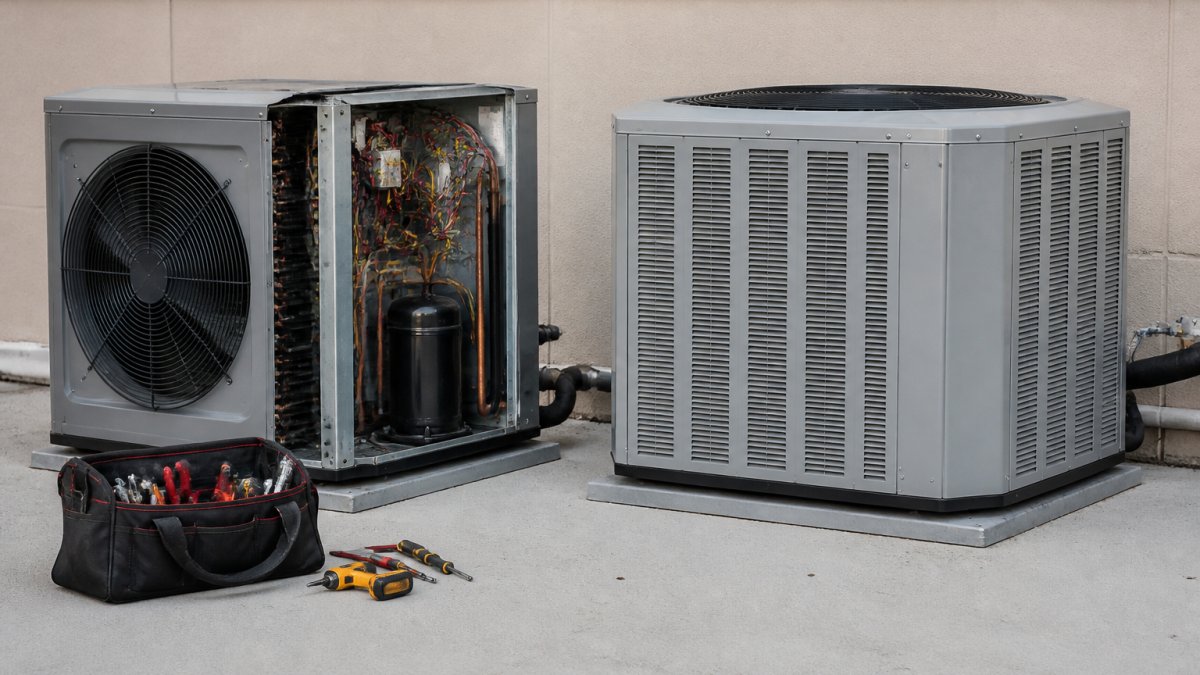
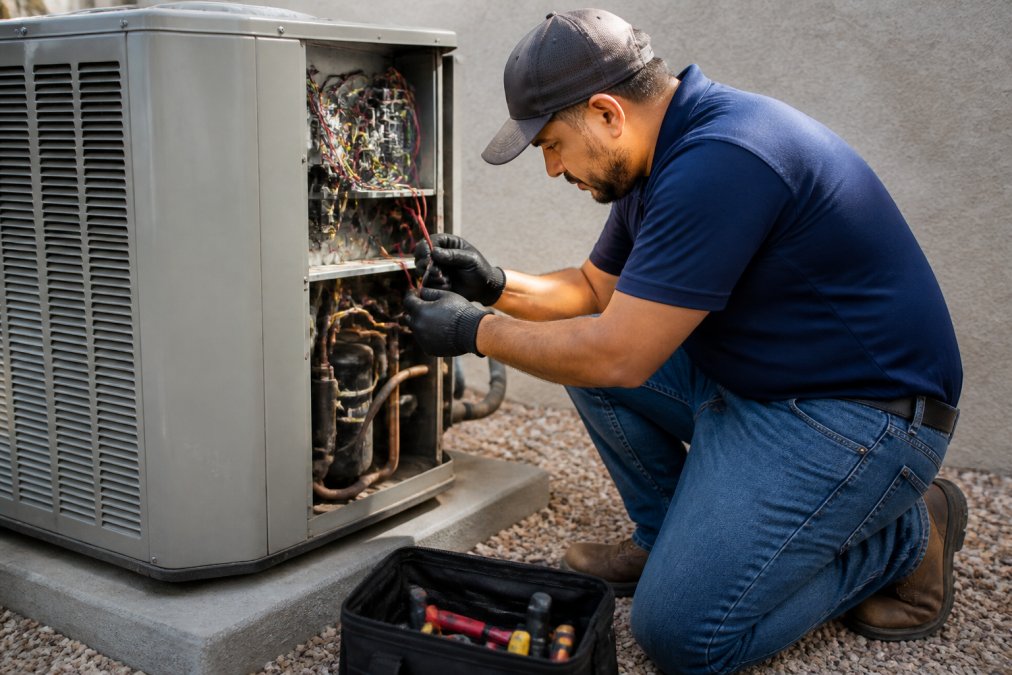
A standard maintenance visit includes several critical tasks. A technician will inspect your compressor, heat exchanger, and refrigerant levels to ensure everything is operating within specifications. They'll replace or clean your air filter, check thermostat calibration, and clean the coils that collect dust and debris over time. The condensate drain gets flushed to prevent blockages that lead to water damage. For many systems, refrigerant levels are checked and topped off if needed, low refrigerant levels are one of the most common reasons systems fail prematurely.
What separates a thorough inspection from a quick visit is attention to detail. A comprehensive tune-up includes checking electrical connections, inspecting ductwork for leaks, and testing the system under load to verify it's delivering the right amount of cooling or heating. The technician should also verify that your system meets manufacturer specifications, which is often required to keep your warranty valid.
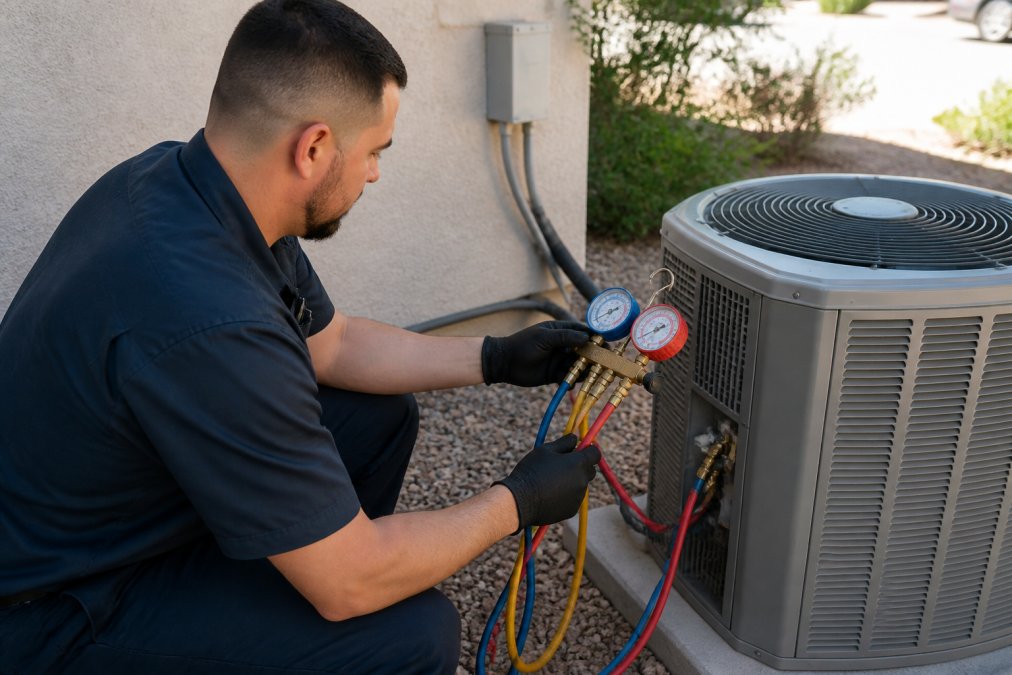
Many homeowners don't realize that manufacturer warranties often require annual professional maintenance to remain valid. Skipping scheduled tune-ups can void coverage on expensive components like the compressor. This alone makes the investment worthwhile for systems still under warranty.
Signs Your AC Needs Refrigerant or Professional Attention
Your air conditioner doesn't consume refrigerant the way it burns fuel, it should maintain the same charge year after year. If refrigerant levels drop, it means there's a leak somewhere in the sealed system. Low refrigerant is one of the most common reasons systems stop cooling properly, and it's also one of the easiest problems to catch early with professional inspection.
Several warning signs indicate your system needs professional attention. If your AC is running but not cooling your home as effectively as it used to, refrigerant loss is a likely culprit. You might notice the air coming from vents feels cool but not cold, or cooling takes much longer than it should. Another telltale sign is ice buildup on the outdoor condenser unit, this happens when the system is starved of refrigerant and the evaporator coil gets too cold.
Listen for unusual sounds: hissing, bubbling, or rattling from the outdoor unit can signal refrigerant leaks or mechanical problems. A refrigerant leak produces a distinctive hissing sound as gas escapes from the system. Bubbling sounds often indicate moisture in the refrigerant, which damages internal components over time.
Unusual smells also warrant professional inspection. A sweet smell near your outdoor unit could indicate refrigerant leaking, while musty odors inside suggest mold growing in your ductwork or evaporator coil, a common problem in humid climates that requires professional cleaning.
If your system is older and uses R22 refrigerant (common in units built before 2010), be aware that this refrigerant is being phased out due to environmental regulations (the EPA). If your system needs a refrigerant recharge and uses R22, you may face higher costs or need to consider replacement sooner than expected. Home Tech can help you understand your options when aging systems need refrigerant work.
Average Cost of HVAC Maintenance Plans and Service Calls
The cost of professional HVAC maintenance varies based on your system type, location, and the service provider you choose. Rather than guessing at prices, you should get a quote directly from a service company, maintenance plan costs depend on what's included and how often service visits occur.
Several maintenance plans are available in the market. The Chas Roberts MVP Plan includes annual maintenance and offers priority service with no overtime charges for emergencies. The Parker & Sons Family Plan provides two tune-ups per year, priority scheduling, and repair discounts. The Goettl Smart Sadie Membership adds 24/7 system monitoring and a two-year warranty on repairs performed under the plan. The George Brazil VIP Plan offers bi-annual tune-ups with significant repair discounts and reduced service call fees for members.
Each plan has different coverage levels and pricing models. Some charge an annual fee, others use monthly subscriptions. The key is understanding what's included: Does the plan cover parts and labor, or just labor? Are there limits on the number of service calls? What happens if your system needs emergency repair outside business hours?

When comparing plans, look beyond the headline price. A plan that costs less per month but excludes parts coverage may cost you more when you need a repair. Conversely, a comprehensive plan with parts and labor coverage can save money if your system is aging and prone to minor issues.
The Real ROI: Preventative Maintenance vs. Emergency Repairs
The financial case for professional HVAC maintenance is straightforward: preventing emergencies is cheaper than fixing them. An emergency repair call often carries premium pricing, after-hours service fees, rush charges, and the stress of needing service immediately rather than scheduling at your convenience.
Consider what happens without preventative maintenance. Your system runs until something fails, often at the worst possible time, like the hottest day of summer when every HVAC company is overwhelmed. A failed compressor, burned-out motor, or refrigerant leak discovered mid-season means you're paying emergency rates, not standard rates. You may also face additional costs if the failure damages other components.
Preventative maintenance catches problems early. A technician spots a refrigerant leak during a routine inspection and fixes it before the system fails completely. A worn belt is replaced during a tune-up rather than snapping unexpectedly and leaving you without cooling. These early interventions cost a fraction of what emergency repairs would cost.
System longevity is another ROI factor. HVAC systems that receive regular tune-ups last longer and perform more efficiently (peer-reviewed research). A well-maintained system maintains better energy efficiency, which reduces your cooling and heating costs month after month. Over a system's 15-20 year lifespan, this efficiency savings adds up significantly.
Many service agreements also include priority scheduling and repair discounts for members. If your system does need work, you're not waiting days for an appointment, you get priority access. And member discounts on parts and labor reduce the cost of repairs when they do occur.
The warranty protection aspect is often overlooked. Manufacturer warranties typically require annual professional maintenance to remain valid. If your system fails and you haven't maintained it professionally, the warranty may not cover the repair. A single compressor replacement can cost thousands, maintaining your warranty through scheduled service protects that investment.
HVAC Maintenance Checklist for Homeowners
While professional maintenance is essential, homeowners can perform basic upkeep between service visits. This checklist covers tasks that don't require special tools or EPA certification.
Monthly Tasks:
- Check your thermostat, verify it's set to your desired temperature and responding correctly
- Listen for unusual sounds from your outdoor unit, hissing, rattling, or grinding warrant a service call
- Look at your outdoor condenser, clear away leaves, branches, or debris blocking airflow around the unit
Seasonal Tasks (Spring and Fall):
- Replace your air filter, a clogged filter reduces efficiency and strains your system
- Inspect your outdoor condenser unit for damage, bent fins, cracks, or corrosion need professional attention
- Check your indoor vents and returns, make sure furniture, curtains, or other items aren't blocking airflow
- Test your system, run cooling in spring and heating in fall to verify it's working before peak season
Annual Tasks:
- Schedule your professional maintenance visit, ideally before summer cooling season or winter heating season
- Review your service agreement, understand what's covered and when your next service is due
- Check your energy bills, a sudden increase in cooling or heating costs can signal system problems
What NOT to Do:
- Don't attempt refrigerant work, this requires EPA 608 certification and specialized equipment
- Don't open sealed system components, you risk contaminating the refrigerant and damaging the compressor
- Don't ignore warning signs, unusual sounds, weak cooling, or odors need professional diagnosis
- Don't let your filter go too long between replacements, a dirty filter reduces efficiency and can damage your system
Hidden Fees and Contract Fine Print to Watch For
Service agreements often include terms and conditions that affect your actual cost. Understanding these details before signing protects you from surprises.
Common limitations in maintenance plans:
Some plans exclude service during peak seasons. The Chas Roberts MVP Plan, for example, doesn't provide maintenance visits between June 1st and September 1st, exactly when many homeowners want service before the hottest months. This means you can't schedule a pre-summer tune-up during that window.
Other plans limit the number of service calls included. If your plan covers one visit per year but you need service twice, the second visit may be charged at full price rather than the member rate. Plans that include repair discounts often cap the discount amount, a 10% discount on a major repair might save you less than the plan's annual cost.
Read the fine print on parts and labor coverage. Some plans cover labor but not parts, meaning you pay for any components that need replacement. Others include parts coverage but only for specific components, the compressor might be covered while the condenser isn't.
Emergency service terms vary significantly. A plan might offer 24-hour emergency response but charge premium rates for after-hours calls. Others include emergency service at no extra cost. Clarify whether weekends and holidays are treated as emergencies with additional fees.
Non-refundable membership clauses appear in many agreements. The Goettl Smart Sadie Membership, for instance, becomes non-refundable once the first service visit is completed or if discounts exceed the membership cost. If you sign up and then need to cancel, you may lose your money.
Price increase provisions are another detail to examine. Many plans reserve the right to raise prices with 60 days' notice. Over a multi-year commitment, this can significantly change your total cost.
Contract transfer and cancellation terms matter if you plan to sell your home. Some plans are transferable to the new owner, adding value to your sale. Others are non-transferable, and you lose the remaining contract value. Cancellation fees vary, some plans allow cancellation anytime, while others lock you in for a year.
Request a written summary of what's included, excluded, and what happens if you need service outside the plan's scope. A reputable company will provide this clearly before you commit.
Is It Worth It? The Verdict
Professional HVAC maintenance is worth the cost for most homeowners, particularly those with systems still under warranty or older systems prone to problems. The combination of preventative care, warranty protection, repair discounts, and priority scheduling typically saves money over time compared to paying for emergency repairs.
The math is simple: a maintenance plan costs a modest annual fee. Without it, you're betting your system won't break down unexpectedly. One emergency repair, especially a compressor replacement or major component failure, costs more than years of maintenance plans combined. For homeowners in climates where AC runs heavily, like the Phoenix area, the stakes are even higher.
That said, not every plan is equally valuable. Plans with significant limitations, no summer service, capped discounts, non-refundable fees, offer less protection than comprehensive plans. Compare what's actually included, not just the price. A cheaper plan that excludes parts coverage may cost more in the long run.
The strongest case for maintenance comes down to three factors: your system's age, your local climate, and your risk tolerance. Newer systems under warranty benefit from the warranty protection alone. Older systems benefit from early problem detection. In hot climates where cooling runs constantly, the efficiency savings from regular maintenance add up quickly.
Home Tech provides professional HVAC maintenance and repair for residential and commercial systems throughout the greater Phoenix area. Our EPA 608-certified technicians handle refrigerant recharge, condenser service, and full system diagnostics for Goodman, York, Carrier, and Amana units. We service all refrigerant types and help customers understand whether repair or replacement makes sense for aging systems. Same-day and next-day appointments are available, with no hidden fees and a 100% satisfaction guarantee.
=== FAQ ANSWERS (audit these too, same rules) ===
[1] Q: Is professional HVAC maintenance really necessary? A: Yes. Professional HVAC maintenance catches small problems before they become expensive system failures. Regular tune-ups keep your compressor, heat exchanger, and refrigerant levels in working condition, extending your system's lifespan by years. Without preventative maintenance, you risk emergency breakdowns during peak seasons when repair costs spike and technician availability drops.
[2] Q: What are the signs your AC needs refrigerant? A: Your AC needs refrigerant if it's blowing warm air, producing weak airflow, freezing up around the compressor, or running constantly without cooling your home. Hissing or bubbling sounds also signal a refrigerant leak. Low refrigerant levels damage your compressor and void many manufacturer warranties, so have a technician diagnose and recharge your system promptly.
[3] Q: How much does HVAC maintenance cost per year? A: Annual HVAC maintenance plans vary depending on the service provider and what's included. Most plans cover two tune-ups annually (one cooling, one heating), priority scheduling, and repair discounts. Pricing depends on your system size, location, and the specific benefits offered, so contact your local provider for a current quote.
[4] Q: What does a standard HVAC inspection include? A: A standard inspection includes filter replacement, coil cleaning, refrigerant level checks, compressor inspection, thermostat calibration, condensate drain clearing, and system performance testing. Technicians verify that your unit meets manufacturer warranty requirements and check for safety issues. A thorough tune-up typically takes 1 to 2 hours and helps prevent seasonal breakdowns.
Frequently Asked Questions
Is professional HVAC maintenance really necessary?
Yes. Professional HVAC maintenance catches small problems before they become expensive system failures. Regular tune-ups keep your compressor, heat exchanger, and refrigerant levels in working condition, extending your system's lifespan by years. Without preventative maintenance, you risk emergency breakdowns during peak seasons when repair costs spike and technician availability drops.
What are the signs your AC needs refrigerant?
Your AC needs refrigerant if it's blowing warm air, producing weak airflow, freezing up around the compressor, or running constantly without cooling your home. Hissing or bubbling sounds also signal a refrigerant leak. Low refrigerant levels damage your compressor and void many manufacturer warranties, so have a technician diagnose and recharge your system promptly.
How much does HVAC maintenance cost per year?
Annual HVAC maintenance plans vary depending on the service provider and what's included. Most plans cover two tune-ups annually (one cooling, one heating), priority scheduling, and repair discounts. Pricing depends on your system size, location, and the specific benefits offered, so contact your local provider for a current quote.
What does a standard HVAC inspection include?
A standard inspection includes filter replacement, coil cleaning, refrigerant level checks, compressor inspection, thermostat calibration, condensate drain clearing, and system performance testing. Technicians verify that your unit meets manufacturer warranty requirements and check for safety issues. A thorough tune-up typically takes 1 to 2 hours and helps prevent seasonal breakdowns.
Professional HVAC maintenance prevents the emergency repair call that drains your budget and leaves you without cooling during peak season. The question isn't whether to invest in maintenance, it's which plan offers the best protection for your specific system and situation. Get a quote from Home Tech today and understand exactly what's included. Call (602) 486-1901 or visit hometechappliancerepair.com to book your appointment and protect your cooling system before problems start.