 listicle
EPA 608 Certified Repair Services in Phoenix: Your Complete Guide
Table of Contents
- What Is EPA Section 608 Certification and Why It Matters in Phoenix
- How to Verify EPA 608 Certified Technicians in Phoenix
- HVAC Repair Phoenix: Types of Equipment Covered by EPA 608
- EPA 608 Universal Certification Arizona: What Technicians Need to Know
- Refrigerant Leak Detection Phoenix: Compliance and Safety
- Cost of AC Repair Phoenix: Understanding EPA-Certified Labor Pricing
- Top EPA 608 Certified Repair Services in the Phoenix Metro Area
- Preventive Maintenance and System Diagnostics for Compliance
- Frequently Asked Questions
EPA 608 Certified Repair Services in Phoenix: Your Complete Guide
Last Updated: July 18, 2026
When your air conditioning system fails in Phoenix's summer heat, the difference between a qualified technician and an unqualified one isn't just about comfort, it's about EPA compliance, system longevity, and avoiding costly mistakes. EPA 608 certified repair services in Phoenix are legally required for anyone handling refrigerants. According to EPA Section 608 Certification Overview, technicians working with refrigerants must hold proper certification to prevent environmental damage and ensure safe equipment operation. This guide breaks down what EPA 608 certification entails, how to identify qualified technicians, what equipment they can legally service, and why certified labor costs more than unlicensed alternatives.
What Is EPA Section 608 Certification and Why It Matters in Phoenix
EPA Section 608 certification mandates that any technician handling refrigerants in sealed systems, residential air conditioning, commercial refrigeration, or automotive cooling, must pass an EPA-approved exam and maintain proper documentation. This certification exists because refrigerants deplete the ozone layer and carry global warming potential.
In Phoenix, where air conditioning runs nearly year-round, HVAC technicians constantly work with refrigerants. A technician without EPA 608 certification who charges your system, repairs a leak, or recovers refrigerant is breaking federal law and may not know proper recovery procedures, contamination prevention, or how to safely handle your system's specific refrigerant type. The certification demonstrates the technician has studied EPA regulations, passed a proctored exam, and maintains current knowledge of refrigerant handling standards. Without it, your repair isn't just non-compliant, it's a liability.
The Four Types of EPA 608 Certification
The EPA offers four distinct certification types, each covering different equipment categories.
Type I Certification covers small appliances containing five pounds or less of refrigerant, including window air conditioners and portable AC units. Type II Certification covers high-pressure appliances like residential and light commercial air conditioning systems and heat pumps, the most common certification for residential HVAC work in Phoenix. Type III Certification is for low-pressure appliances, primarily commercial refrigeration equipment like walk-in coolers and freezers. Universal Certification covers all three categories and is required for technicians working across residential AC, commercial refrigeration, and automotive cooling.
For residential AC repair in Phoenix, Type II or Universal is standard.
Refrigerant Phase-Out Impact on Your Cooling Systems
The EPA has systematically phased out older refrigerants. R12 (CFC) was banned in 1994. R22 (HCFC) is being phased out, with restrictions tightening yearly. If your air conditioning system was installed before 2010, it likely uses R22 refrigerant, which is increasingly difficult and expensive to obtain.
When your system needs a recharge, the cost reflects R22's scarcity. Many HVAC contractors are steering customers toward system replacement rather than repair because sourcing R22 is becoming impractical. R410A became the standard replacement for R22 in residential systems but requires different handling procedures, higher pressures, different tools, and different safety protocols. Newer refrigerants like R454B are lower-GWP alternatives gaining adoption.
How to Verify EPA 608 Certified Technicians in Phoenix
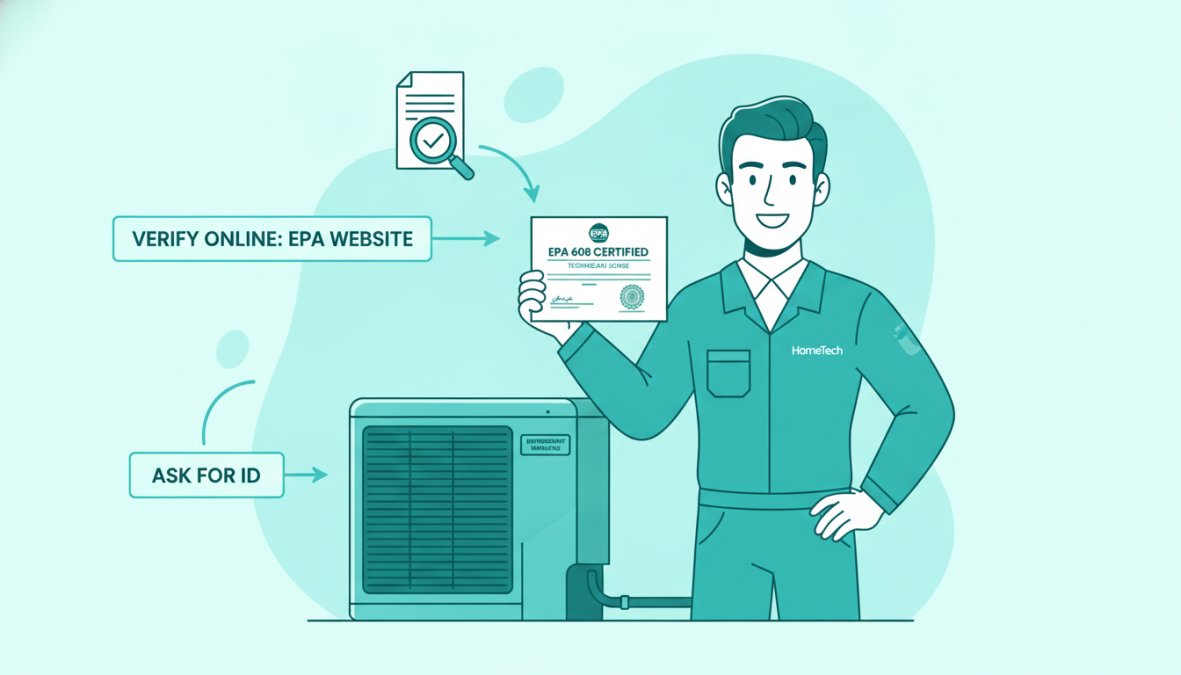
Before hiring any HVAC contractor for refrigerant work, verification is essential. Ask for the technician's EPA 608 certification number, a unique identifier issued when someone passes the EPA exam. A legitimate technician will have this number memorized or readily available. You can verify the number through the EPA's Certified Technician Directory or ask which proctoring organization administered their exam (typically HVAC Excellence, NATE, or ESCO Institute).
Request documentation showing the certification type (Type I, II, III, or Universal), certification number, issue and expiration dates, and the proctoring organization's seal or verification.
What Documentation to Request
When you call for HVAC repair in Phoenix, request specific documentation before the technician arrives: the EPA 608 Certification Card or Certificate, company EPA registration, proof of EPA-approved refrigerant recovery equipment, service records and leak documentation, and warranty information. Reputable services warrant their refrigerant work and provide copies of service records for your protection.
Red Flags When Hiring HVAC Repair Services
Vague Certification Claims: If a technician says "we're certified" without providing specific certification types or numbers, that's a red flag. Reluctance to Provide Documentation: A technician who refuses to show certification or company registration is hiding something. Unwillingness to Diagnose Before Charging: Some technicians will immediately recommend a full refrigerant recharge without diagnosing whether the system actually needs one. Proper diagnosis involves checking pressures, inspecting for leaks, and testing system performance. Pressure to Replace Rather Than Repair: Excessive pressure toward replacement without exploring repair options is suspect. No Written Estimate: Reputable services provide written estimates before starting work.
HVAC Repair Phoenix: Types of Equipment Covered by EPA 608
EPA 608 certification applies to a broader range of equipment than many homeowners realize.
Residential AC Systems and Refrigerant Types
Residential central air conditioning systems are the most common EPA 608-regulated equipment. Modern residential systems use R410A or newer R454B refrigerants. Older systems (pre-2010) use R22. Each requires different handling procedures. Residential heat pumps are also EPA 608-regulated and require the same certification as AC work.
Commercial Refrigeration and Walk-In Coolers
Commercial refrigeration equipment, walk-in coolers, freezers, and display cases contain significantly more refrigerant than residential systems. Walk-in coolers for restaurants and grocery stores typically contain 50+ pounds of refrigerant, making proper handling critical. The EPA's leak detection requirements are stricter for commercial systems. Facilities with systems containing more than 50 pounds of refrigerant must conduct annual inspections and document any leaks. If a leak is found, it must be repaired within 30 days.
EPA 608 Universal Certification Arizona: What Technicians Need to Know
For HVAC professionals in Arizona, Universal EPA 608 certification represents the highest credential level. It requires passing a comprehensive exam covering all three equipment categories: small appliances, high-pressure systems, and low-pressure systems.
Universal vs. Type-Specific Certification
A Type II technician can legally work on residential and light commercial AC systems but cannot touch commercial refrigeration or small appliances. A Universal technician can work on all three. The Universal exam covers small appliance regulations, high-pressure system diagnostics, low-pressure system operation, refrigerant properties and phase-out schedules, EPA record-keeping and compliance documentation, and safety procedures across all equipment types.
Technicians pursuing Universal certification typically have several years of field experience first. As a result, Universal-certified technicians command higher service rates but bring broader expertise. For Phoenix businesses with mixed equipment needs, hiring Universal-certified technicians simplifies scheduling and ensures consistent service quality.
Refrigerant Leak Detection Phoenix: Compliance and Safety
Refrigerant leaks are among the most common reasons for AC repair in Phoenix. A leak prevents your system from cooling effectively, wastes energy, and violates EPA regulations if not addressed promptly.
Why Proper Leak Detection Prevents EPA Violations
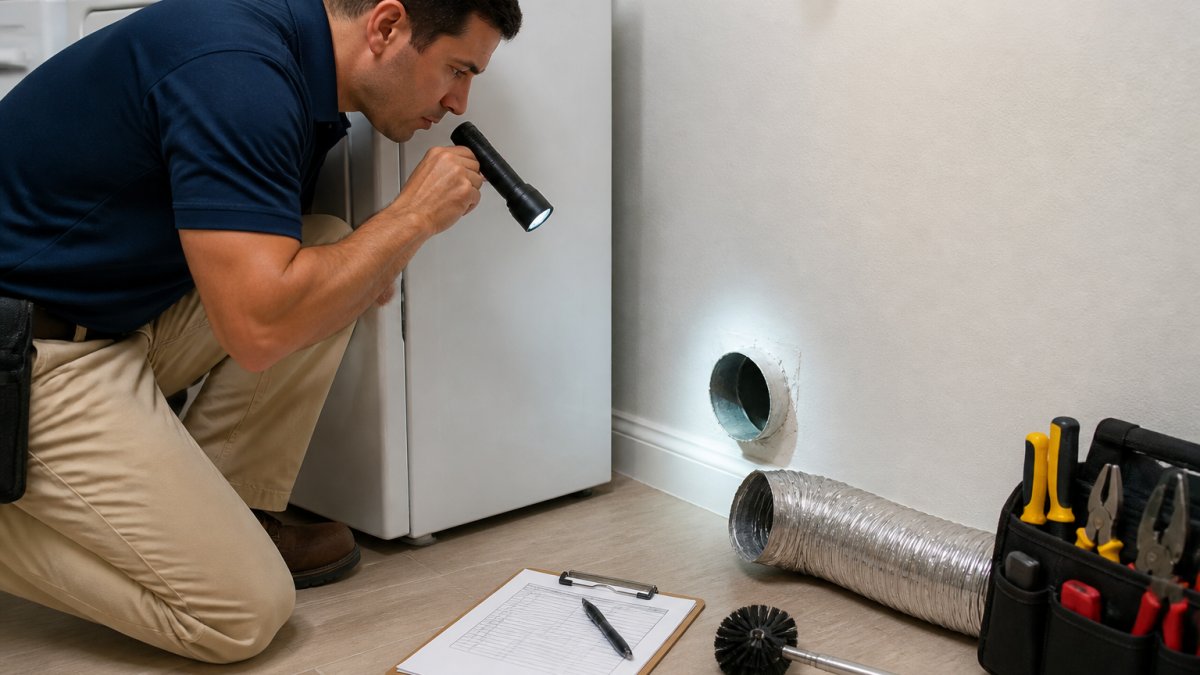
The EPA requires that any refrigerant leak be reported and repaired within specific timeframes. Proper leak detection involves multiple methods: pressure testing (comparing system pressures to manufacturer specifications), visual inspection (looking for oil residue around connections), electronic leak detection (using specialized equipment to sense refrigerant vapors), and dye injection (adding fluorescent dye to refrigerant and using UV light to identify leaks).
An EPA 608-certified technician knows which methods are appropriate for which systems and how to safely recover leaked refrigerant, preventing environmental release. Ignoring a leak and just adding refrigerant is both environmentally irresponsible and economically wasteful.
Cost of AC Repair Phoenix: Understanding EPA-Certified Labor Pricing
EPA 608 certification affects service costs. Understanding why helps you evaluate pricing fairly and avoid being undercut by unlicensed technicians.
Why EPA 608 Certification Affects Your Service Cost
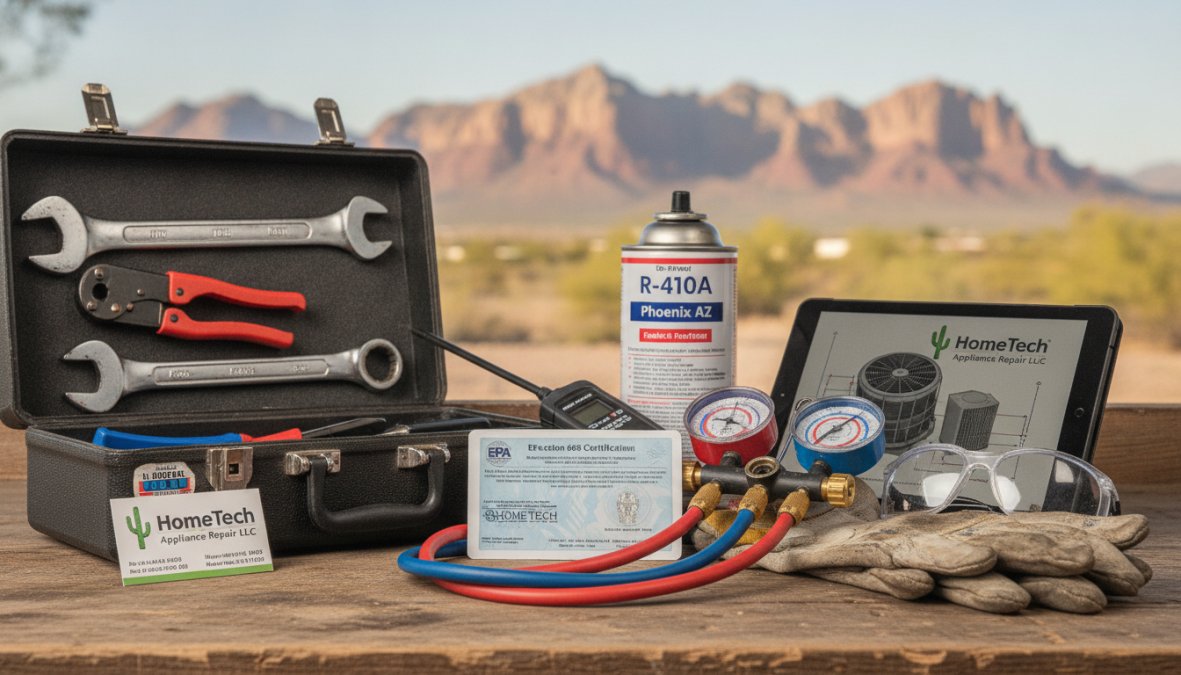
EPA 608-certified technicians invest in education, exam fees, and ongoing certification renewal. They carry specialized equipment, EPA-approved recovery machines, gauges for different refrigerant types, and leak detection tools. This equipment is expensive and requires regular calibration. Certified technicians carry liability insurance covering refrigerant work and maintain detailed service records for EPA compliance.
When you pay for EPA 608-certified repair services in Phoenix, you're paying for technician expertise and training, proper equipment and tools, insurance and compliance documentation, warranty on the work performed, and environmental responsibility. An unlicensed technician might charge less, but the savings evaporate quickly if the repair fails within weeks or if you face EPA fines for improper refrigerant handling.
Same-Day and Emergency Repair Services
Phoenix's heat creates emergency AC repair situations. Systems fail during peak summer heat, and waiting days for repair isn't an option. Same-day and emergency repair services command premium pricing because technicians maintaining emergency availability must staff crews beyond normal business hours and keep service vehicles equipped and ready.
| Service Type | Typical Timeframe | Best For | Cost Consideration |
|---|---|---|---|
| Scheduled maintenance | 1-2 weeks availability | Preventive care, system tune-ups | Standard pricing, discounted packages available |
| Standard repair | 2-5 days | Non-emergency issues, planned repairs | Moderate pricing, written estimates provided |
| Same-day repair | Within 24 hours | Urgent issues, system failure | Premium pricing reflects availability |
| Emergency repair | After-hours or weekend | Immediate failure, safety concerns | Emergency rates apply, transparent estimates given |
Top EPA 608 Certified Repair Services in the Phoenix Metro Area
Finding a reliable, EPA 608-certified repair service in Phoenix requires knowing what to look for and where to search.
Home Tech: Residential and Commercial Specialist
Home Tech Appliance Repair LLC is a family-owned, Google Guaranteed service company with over 10 years of experience serving the greater Phoenix metro area, including Chandler, Gilbert, Tempe, Scottsdale, Phoenix, Queen Creek, Glendale, Cave Creek, and Fountain Hills. Our EPA 608-certified technicians handle residential appliances including refrigerators, washers, dryers, dishwashers, ovens, and ranges across all major brands, performing sealed-system and refrigerant work on R134a, R600a, R290a, and R454B systems.
Our HVAC team provides residential and commercial AC and heating repair for Goodman, York, Carrier, and Amana units, servicing all refrigerant types from legacy R12 and R22 through current R410A, R404a, R407a, R32a, and R454B. Commercial service is core to what we do, we repair walk-in coolers and freezers for restaurants and food service operations with same-day emergency response. We also service tank and tankless water heaters with heating element and thermostat replacement, sediment flushing, and error code troubleshooting. Licensed, insured, and EPA 608 certified.
Call (602) 486-1901 or visit hometechappliancerepair.com to book your appointment.
Other Established Phoenix Services
Monster Air focuses exclusively on commercial refrigeration installation, preventative maintenance, and EPA Section 608 compliant refrigerant handling for walk-in coolers and freezers. Western Sky Mechanical provides 24/7 commercial refrigeration repair across the Phoenix Valley with strict EPA Section 608 compliance. AC by Sam LLC offers 24/7 emergency HVAC service with EPA-certified technicians. Supreme Comfort AZ specializes in residential and commercial HVAC with factory-trained, EPA-certified technicians. Collins Comfort Masters brings over 37 years of Phoenix-area experience with NATE-certified technicians. Arizona Refrigeration Service Inc., family-owned since 1982, provides 24/7 emergency service for residential and light commercial HVAC.
Preventive Maintenance and System Diagnostics for Compliance
The best approach to EPA 608 compliance is preventive maintenance. Annual AC tune-ups include refrigerant pressure checks, visual leak inspections, and system performance diagnostics. A technician performing these checks can identify leaks early, when repair costs are minimal, and verify that your system's refrigerant charge matches manufacturer specifications.
For commercial refrigeration, preventive maintenance is critical. Annual inspections document system condition and identify any leaks requiring repair within EPA timeframes. The cost of preventive maintenance is trivial compared to emergency repair. A $150 annual AC tune-up prevents $1,500 emergency repairs and the stress of summer heat without cooling.
Choosing EPA 608-certified repair services in Phoenix isn't just about regulatory compliance, it's about protecting your equipment investment, ensuring safe refrigerant handling, and supporting environmental responsibility. Home Tech's EPA 608-certified technicians bring over 10 years of Phoenix-area experience across residential appliances, HVAC systems, and commercial refrigeration. We handle all refrigerant types, provide same-day emergency response, and stand behind every repair with a 100% satisfaction guarantee. Call (602) 486-1901 or visit hometechappliancerepair.com to book your appointment today.
Frequently Asked Questions
What does EPA 608 certification mean for HVAC repair in Phoenix?
EPA Section 608 certification means a technician has passed an EPA-approved exam and is legally authorized to handle refrigerants in HVAC systems. In Phoenix, certified technicians can safely recover, recycle, and dispose of refrigerants like R410A, R22, and newer alternatives without violating federal environmental regulations. This certification is mandatory for anyone performing sealed-system work on air conditioning units, heat pumps, or commercial refrigeration equipment.
How can I verify if an HVAC technician in Phoenix is EPA 608 certified?
Request to see the technician's EPA 608 certification card or ask for their technician ID number. You can verify certification through the EPA's official database or contact the authorized proctor who issued the exam. Always ask for proof before allowing any refrigerant work. Legitimate contractors display this credential openly and maintain current certifications. Ask about their specific certification type, Universal, Type I, Type II, or Type III, to ensure they're qualified for your equipment.
What are the different types of EPA 608 certifications, and which is best for comprehensive repair services?
EPA 608 has four certification types: Type I (small appliances like refrigerators), Type II (high-pressure systems like residential AC), Type III (low-pressure systems like chillers), and Universal (all refrigerant types and equipment). For comprehensive HVAC repair in Phoenix, Universal certification is best because it covers residential AC, commercial systems, and all refrigerant types. Technicians with Universal certification can handle R410A, R22 phase-out situations, and newer R454B systems without needing multiple credentials.
How does the refrigerant phase-out impact my AC repair costs in Phoenix?
The EPA is phasing out older refrigerants like R22, making them increasingly expensive and harder to source. If your system uses R22, repair costs may rise significantly due to scarcity. EPA 608 certified technicians can help you understand whether repairing an aging system is cost-effective or if replacement with a modern R410A or R454B unit makes financial sense. Newer refrigerants are more environmentally friendly and widely available, which can lower long-term service costs.
What happens if I hire an uncertified technician for refrigerant work in Phoenix?
Hiring an uncertified technician for refrigerant handling violates federal EPA regulations and can result in significant fines for both the technician and the homeowner. Improper refrigerant recovery releases ozone-depleting chemicals into the atmosphere, causing environmental damage. Additionally, uncertified work voids manufacturer warranties and may not meet local Arizona HVAC licensing requirements. Always verify EPA 608 certification before allowing any sealed-system repair work on your AC unit.