 listicle
Best Appliance Brands for Longevity: A 2026 Guide
Table of Contents
- Best Appliance Brands for Longevity: Quick Comparison
- Premium Brands: Maximum Durability and Precision Engineering
- Mid-Range Brands: Reliability Without Premium Pricing
- Commercial-Grade Residential: Built for Heavy Use
- Average Lifespan of Home Appliances by Type and Brand
- Factors Affecting Appliance Lifespan: Build Quality, Serviceability, and Smart Tech
- Appliance Maintenance Tips for Longevity
- Best Appliance Brands for Easy Repairs and Parts Availability
- Factors to Prioritize When Choosing Long-Lasting Appliances
- Frequently Asked Questions
Last Updated: July 12, 2026
When shopping for appliances, the initial price tag masks a far more important question: how long will this machine actually last? Finding the best appliance brands for longevity means looking beyond flashy features to the engineering, repairability, and track record that separate machines lasting 5 years from those lasting 20. At Home Tech, we've spent over a decade repairing and installing appliances across the Phoenix metro area, and we've seen firsthand which brands hold up and which ones crumble.
This guide covers the best appliance brands for longevity across premium, mid-range, and commercial-grade categories, what drives appliance lifespan, and how to evaluate whether a machine is built to last.
Best Appliance Brands for Longevity: Quick Comparison
The appliance market splits into clear tiers. Premium German brands like Miele design machines to run for 20 years. Mid-range American stalwarts like Whirlpool and GE Profile balance reliability with affordability. Commercial-grade brands like Speed Queen build laundry equipment that outlasts everything else by refusing to use plastic where metal will do.
| Brand | Category | Best For | Lifespan | Repairability |
|---|---|---|---|---|
| Miele | Premium | Durability over cost | 15-20 years | Excellent, parts available |
| Sub-Zero | Premium | Luxury refrigeration | 15-20 years | Professional service required |
| Speed Queen | Commercial-Grade | Heavy laundry loads | 20-25+ years | Simple, DIY-friendly |
| Wolf | Premium Cooking | Professional kitchens | 15-20 years | Specialized maintenance |
| Bosch | Mid-Range | Dishwashers, reliability | 12-18 years | Good, widely available |
| GE Profile | Mid-Range | Nationwide serviceability | 10-15 years | Easy, nationwide network |
| Whirlpool | Mid-Range | Value and dependability | 10-15 years | Simple, parts abundant |
| KitchenAid | Mid-Range | Heritage durability | 12-18 years | Good, mixed electronics |
| Viking | Premium Cooking | Professional aesthetics | 12-18 years | Requires specialist service |
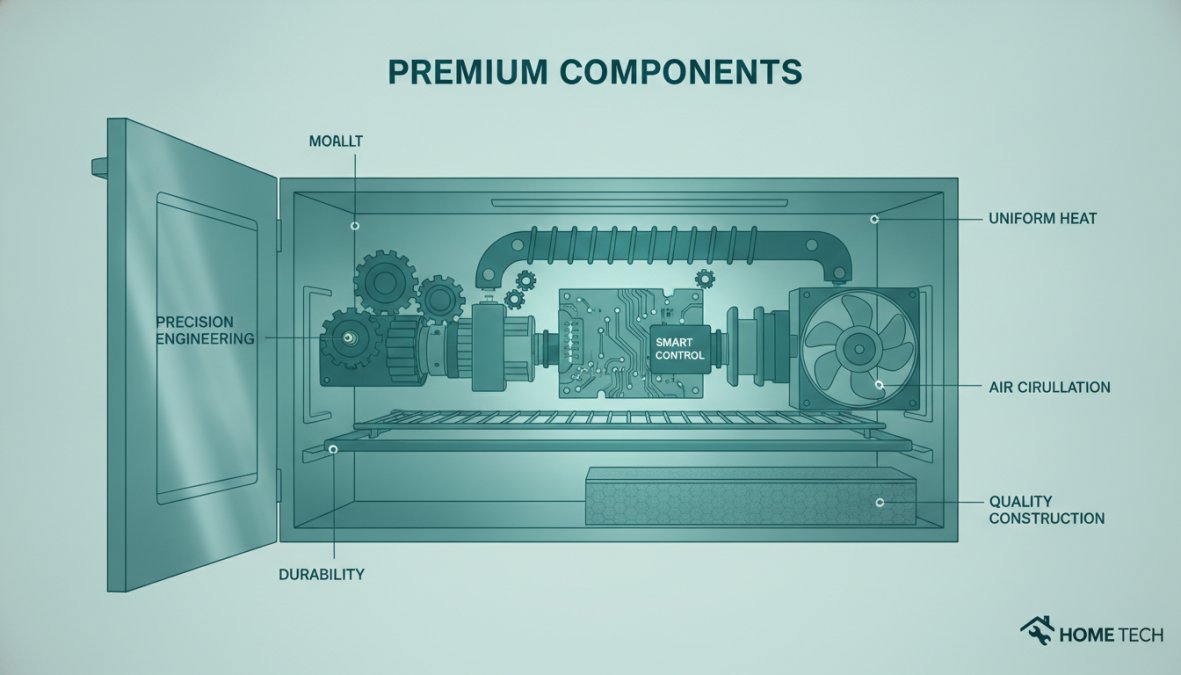
Premium Brands: Maximum Durability and Precision Engineering
When longevity is your only metric, premium German engineering dominates. These brands cost significantly more upfront but are built on a philosophy that appliances should outlast mortgages.
Miele: The 20-Year Standard
Miele machines are engineered to operate for more than 10,000 hours, roughly equivalent to 20 years of average household use. The brand uses high-quality stainless steel components, durable enamel finishes, and precision engineering throughout. Their dishwashers develop a cult following among homeowners who've run the same machine for two decades.
What makes Miele different is their refusal to compromise on internal components. While competitors use plastic pump housings and thin-gauge metals to cut costs, Miele uses strong materials throughout. Spare parts remain available for models 20+ years old, meaning your 2006 Miele dishwasher can still be repaired in 2026. The trade-off is substantial: Miele appliances cost 40-60% more than mid-range competitors, but for families staying in one home for 20+ years, that premium becomes reasonable per year of ownership.
Sub-Zero and Wolf: Luxury Food Preservation and Cooking Performance
Sub-Zero refrigerators represent the industry standard for food preservation technology, with dual-compressor systems maintaining independent temperature control for refrigerator and freezer compartments. Wolf ranges bring commercial-grade burners and precise temperature control to residential kitchens. Both brands are designed to last 15-20 years with proper maintenance, though both require professional installation and service.
Mid-Range Brands: Reliability Without Premium Pricing
The sweet spot for most homeowners sits in the mid-range tier. Bosch, GE Profile, Whirlpool, and KitchenAid deliver 10-18 years of reliable service without requiring a second mortgage. They balance modern features with mechanical simplicity, and parts are widely available through local repair shops.
Bosch: German Engineering for Dishwashers and Kitchen Appliances
Bosch dishwashers are the reliability standard in the mid-range category. According to Consumer Reports appliance reliability data, Bosch consistently ranks in the top tier for dishwasher longevity, with repair rates significantly lower than comparable brands. Their strength lies in durable stainless steel tubs, high-quality internal components, and straightforward control systems that avoid over-complicating electronics. Bosch dishwashers regularly exceed 15-year lifespans when properly maintained.
GE Profile and Whirlpool: Nationwide Serviceability and Value
GE Profile and Whirlpool represent American appliance engineering at its best: straightforward, repairable, and supported by service networks in every town. GE Profile appliances balance modern features with mechanical reliability, engineered to be serviceable so technicians can access components without disassembling the entire unit. Whirlpool's strength is simplicity, their washers and dryers use straightforward mechanical designs that resist electronic failure. Both brands typically deliver 10-15 years of service without matching Miele's 20-year standard, but they cost half as much upfront.
Commercial-Grade Residential: Built for Heavy Use
Speed Queen occupies a unique category: commercial laundry equipment adapted for home use. These machines are engineered for laundromats and rental properties where equipment runs 12+ hours daily. That durability translates to extraordinary longevity in home settings.
Speed Queen: Laundry Equipment That Outlasts Everything
Speed Queen washers and dryers are built with heavy-duty metal components throughout, not plastic. Many Speed Queen machines from the 1990s still run reliably in 2026. The trade-off is aesthetic and functional, Speed Queen machines are utilitarian and lack smart features, touch screens, and app connectivity. But if you have a large family or simply want a machine that will never need replacement, Speed Queen is the only choice. Parts availability is exceptional, with Speed Queen maintaining supply for machines decades old.
Viking and KitchenAid: Professional-Style Cooking Durability
Viking ranges bring professional kitchen aesthetics to residential cooking with high-output burners and heavy-duty construction. When properly maintained, Viking ranges last 15-20 years. KitchenAid carries a strong heritage of durability, with some stand mixer models running for 50+ years. Both brands require more maintenance than mid-range competitors but deliver professional performance with reasonable longevity.
Average Lifespan of Home Appliances by Type and Brand
Appliance lifespan varies dramatically by type and brand. Refrigerators: Premium brands (Miele, Sub-Zero) last 15-20 years; mid-range (GE, Whirlpool) last 10-15 years; budget brands last 7-10 years. Dishwashers: Bosch and Miele regularly exceed 15 years; GE Profile and KitchenAid average 12-15 years; budget brands average 7-10 years. Washers and Dryers: Speed Queen machines last 20-25+ years; mid-range machines last 10-15 years; front-loaders fail sooner than top-loaders due to complex electronics. Ranges and Ovens: Premium brands last 15-20 years; mid-range brands last 10-15 years; gas ranges outlast electric ranges because they have fewer electronic components.
Factors Affecting Appliance Lifespan: Build Quality, Serviceability, and Smart Tech
Longevity isn't random. Specific design choices determine whether an appliance lasts 5 years or 20.
The Smart Tech Reliability Penalty
Modern appliances increasingly rely on smart features: WiFi connectivity, app controls, touchscreen interfaces, and sensor-based diagnostics. These features are convenient, but they introduce points of failure. Research shows that smart appliances experience higher failure rates than mechanical equivalents, particularly in the 6-10 year window. When the smart component fails, the entire appliance often becomes unusable. A Speed Queen washer from 2006 runs reliably in 2026. A Samsung smart washer from 2016 may already be dead, not because the mechanical components failed, but because the control board became obsolete.
For longevity, prioritize mechanical simplicity and choose brands that offer dumb versions of smart appliances.
Repairability Index by Brand
Highly Repairable Brands: Speed Queen (simple mechanical design), Whirlpool (modular design), GE Profile (straightforward construction), Bosch (durable components, parts available for 20+ year old models). Moderately Repairable Brands: KitchenAid (good parts availability), Miele (excellent parts availability, specialized service often required). Difficult to Repair: Sub-Zero and Wolf (require specialized technicians, expensive repairs), budget brands (parts often unavailable after 7-10 years).
When evaluating a brand, ask: can a local technician repair this machine, or does it require factory service? Can parts be sourced quickly and affordably?
Appliance Maintenance Tips for Longevity
Maintenance separates appliances that last 10 years from those that last 20. Simple preventive care extends lifespan dramatically.
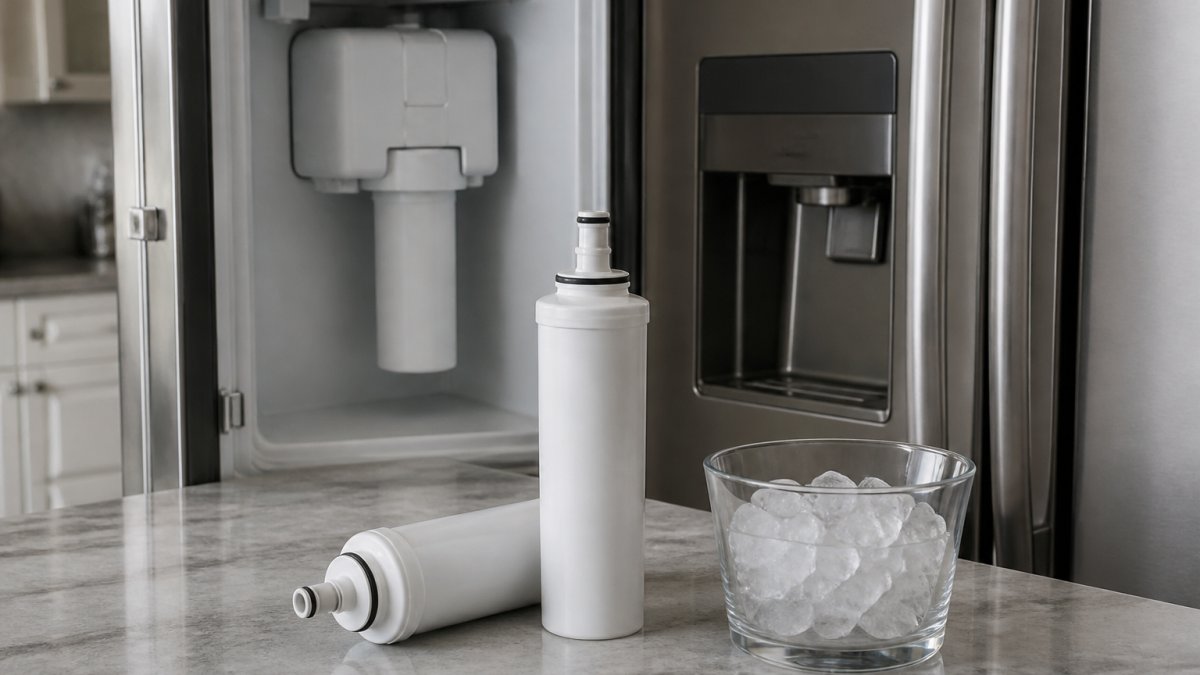
Refrigerators: Clean condenser coils every 6 months. Replace water filters annually. Check door seals quarterly.
Dishwashers: Run a cleaning cycle monthly using white vinegar. Clean the filter trap after each load.
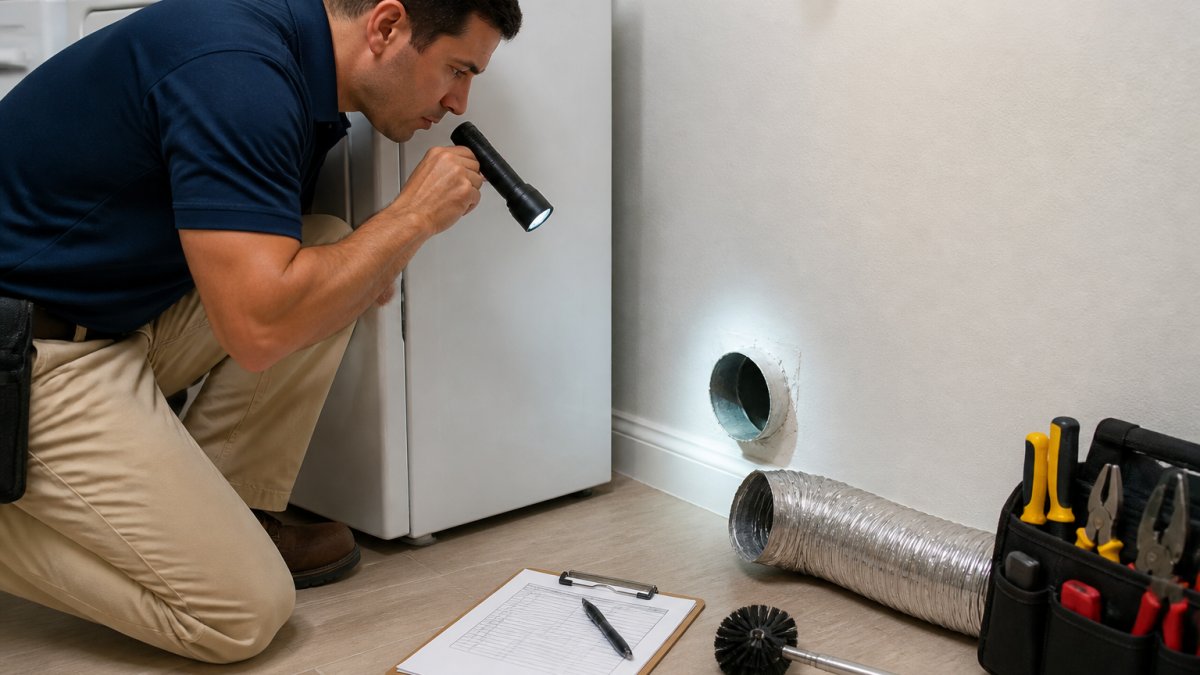
Washers and Dryers: Clean the lint trap after every dryer load. Run a cleaning cycle monthly on front-load washers. Replace hoses every 5 years as preventive maintenance.
Ranges and Ovens: Clean burner grates monthly. Have gas lines inspected annually.
The cost of preventive maintenance is trivial compared to replacement. Spending $50 on annual filter changes saves $2,000 on a premature refrigerator replacement.
When to Repair vs. Replace
If repair cost exceeds 50% of replacement cost and the appliance is older than 8 years, replacement usually makes sense. However, this rule changes by brand. A Speed Queen washer repair costing $400 makes sense at age 15, because you'll get another 5-10 years of service. A Samsung refrigerator repair costing $400 at age 8 doesn't make sense, because you might get 2-3 years before the next failure.
Best Appliance Brands for Easy Repairs and Parts Availability
Longevity isn't just about initial durability; it's about how easily you can keep the machine running when problems occur.
Best Service Networks: Whirlpool (authorized service centers nationwide, parts widely available, reasonable labor costs), GE (extensive service network, parts in stock at most appliance retailers), Bosch (growing service network, parts available through authorized dealers). Limited Service Networks: Miele (factory service often required, higher labor costs), Sub-Zero and Wolf (specialized technicians only, premium pricing).
When choosing an appliance, consider where you'll get it repaired. If you live in a rural area, a brand with a strong national service network matters more than raw durability.
Factors to Prioritize When Choosing Long-Lasting Appliances
Prioritize: Material quality (stainless steel over plastic, metal over composite), mechanical simplicity (fewer electronic components = fewer failures), parts availability (can you get components 15 years from now?), service network (can you find a technician when something breaks?), brand heritage (companies making appliances for 50+ years have proven durability).
De-prioritize: Smart features (convenience costs longevity), aesthetic design (it will look dated in 10 years anyway), warranty length (most appliances fail after warranty expires), brand marketing (premium pricing doesn't guarantee quality).
The best appliance brands for longevity share a philosophy: build something that lasts longer than the warranty, use quality components throughout, and support repairs for decades. Miele, Speed Queen, Bosch, and Whirlpool all embody this approach. Your choice determines not just how long your appliance lasts, but how much you'll spend on repairs, replacements, and environmental waste over your lifetime.
When your appliance needs repair, the difference between a quality machine and a budget one becomes obvious. At Home Tech, we've spent over a decade fixing appliances across the Phoenix metro area, and we consistently see that Bosch dishwashers, Whirlpool washers, and Speed Queen dryers are built to be repaired and maintained. We service all major brands with same-day and next-day appointments, no hidden fees, and a 100% satisfaction guarantee. If your appliance needs help, contact Home Tech for professional service and let our EPA 608-certified technicians get it running reliably again.
Frequently Asked Questions
Which appliance brands have the fewest repairs and longest lifespan?
Miele, Speed Queen, and Bosch consistently rank among the most reliable appliance brands for longevity. Miele is engineered for 20 years of average household use with rigorous internal testing. Speed Queen uses commercial-grade construction for residential laundry. Bosch excels in dishwasher reliability with low service call rates. Premium brands like Sub-Zero and Wolf offer exceptional durability when properly maintained, though they require professional service. Mid-range options like Whirlpool and GE Profile balance affordability with proven reliability and nationwide parts availability.
What is the average lifespan of home appliances, and how does brand choice affect it?
Average lifespan varies by appliance type: refrigerators typically last 10-15 years, dishwashers 7-12 years, washing machines 8-12 years, and ranges 10-15 years. Premium brands like Miele can extend these timelines by 5+ years through superior build quality and precision engineering. Budget brands may fall short of these averages due to plastic components and simpler electronics. Speed Queen laundry equipment can exceed 25 years with proper maintenance. The difference often comes down to material quality, repair frequency, and parts availability, factors where brand reputation directly impacts long-term ownership costs.
Are expensive appliance brands actually more durable than budget options?
Yes, but with important caveats. Premium brands like Miele, Sub-Zero, and Wolf use superior materials, precision engineering, and more robust components that genuinely extend lifespan. However, durability depends on the specific appliance type and brand. Bosch dishwashers, for example, offer excellent reliability at mid-range pricing. Whirlpool provides solid durability at budget-friendly costs. The real value difference lies in serviceability and parts availability, expensive brands often have better long-term support networks. Smart features on budget appliances can also reduce longevity due to electronics complexity. Consider your usage patterns: commercial-grade Speed Queen washers outlast many premium options for heavy laundry needs.
What maintenance tips help appliances last longer?
Regular maintenance significantly extends appliance longevity. For refrigerators, clean condenser coils quarterly and check door seals monthly. Dishwashers benefit from rinsing large food debris and running cleaning cycles monthly. Washing machines need monthly drain line inspections and regular filter cleaning. Ranges require burner cap cleaning and vent hood filter maintenance. Avoid overloading washers and dryers, which stresses motors and suspension systems. Schedule professional inspections annually for appliances over 7 years old. Use proper detergent amounts and water temperatures. These preventive steps reduce repair frequency and help appliances reach their intended lifespan, whether you own budget or premium brands.
How do smart features affect appliance reliability and longevity?
Smart features introduce additional electronics that can reduce overall appliance longevity compared to mechanical controls. WiFi connectivity, touchscreens, and app integration add complexity and potential failure points. Mechanical controls on brands like Speed Queen are simpler and more durable. However, smart features don't automatically mean shorter lifespan, quality matters. Bosch and Miele integrate smart technology thoughtfully without sacrificing reliability. The 'smart tech reliability penalty' is most pronounced on budget brands where electronics quality is lower. If longevity is your priority, prioritize build quality and simplicity over feature count. Look for brands with proven track records managing both traditional and connected appliance reliability.