 listicle
5 Best Refrigerator Brands for Reliability
Table of Contents
- Top Refrigerator Brands for Reliability
- Comparison Table: Reliability Features Across Top Brands
- Average Lifespan of a Refrigerator by Brand
- Refrigerator Brands to Avoid
- Common Refrigerator Failure Points and How to Prevent Them
- How to Maintain Your Refrigerator for Maximum Longevity
- When to Repair vs. Replace Your Refrigerator
- Frequently Asked Questions
Last Updated: August 5, 2026
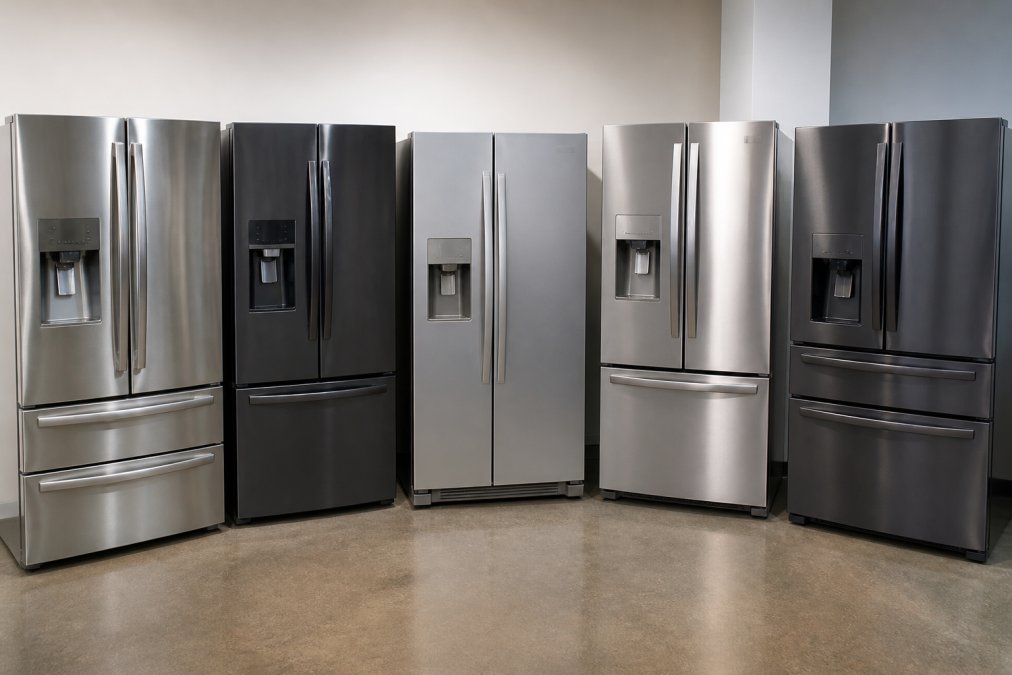
Top Refrigerator Brands for Reliability
When your refrigerator stops working, you risk food spoilage, wasted groceries, and emergency repair bills. The best refrigerator brands combine durable compressors, proven cooling systems, and accessible service networks.
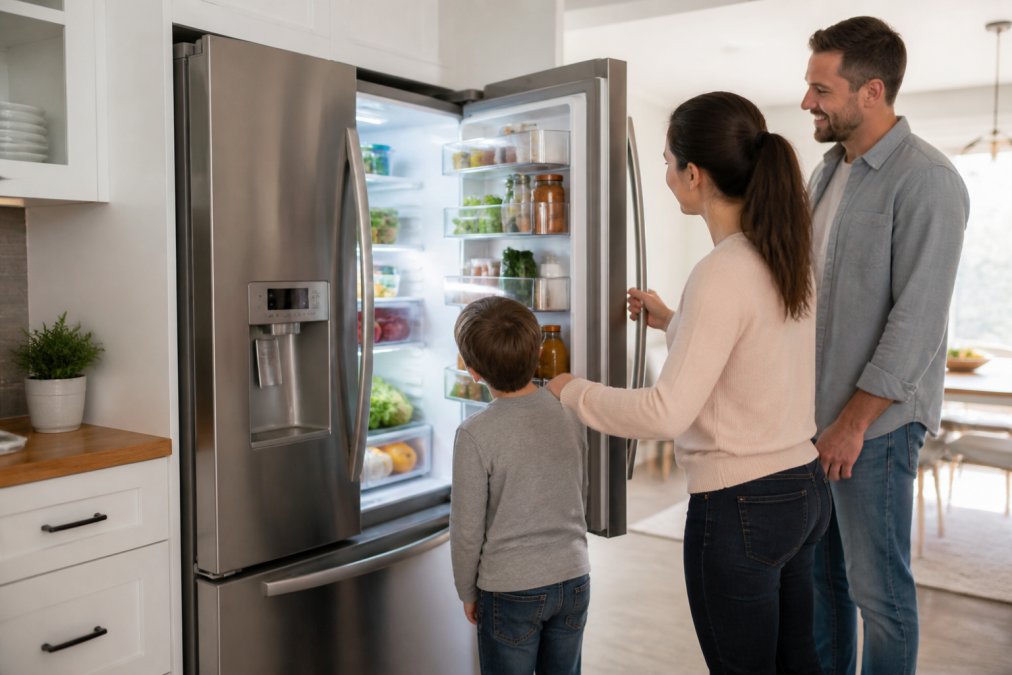
At Home Tech, we've repaired thousands of refrigerators across the Phoenix metro area and seen firsthand which brands hold up over time. The most reliable brands are engineered for longevity with straightforward sealed systems and readily available parts.
This guide covers five reliable refrigerator brands, what makes them stand out, common failure points, and how proper maintenance extends unit lifespan. We'll also help you decide when repair makes sense versus replacement.
1. GE Profile: Ranked #1 for French Door Reliability
GE Profile French Door Refrigerators rank #1 in reliability for their configuration. Their strength lies in consistent temperature management and durable compressor design, with sealed systems that require minimal maintenance.
Most GE Profile models last 12 to 18 years with proper care. The cooling system delivers reliable performance because the compressor cycles efficiently without overworking. Homeowners consistently report even temperatures across all shelves, preventing hot spots that degrade food quality.
The most common issue surfaces around 2 to 4 years: ice maker assembly failure. The solenoid valve eventually sticks, stopping ice production while cooling remains unaffected. For households that don't rely on automatic ice, this is a non-issue.
GE's extensive service network ensures strong parts availability. Replacement components stay in stock at major suppliers because GE manufactures for both residential and commercial markets.
2. Whirlpool: Dependable Value and Long-Term Performance
Whirlpool French Door Refrigerators deliver dependable cooling without premium pricing. The brand prioritizes straightforward engineering, strong materials, and mechanical simplicity where it counts.
Whirlpool models typically last 10 to 15 years or longer when maintained properly. The compressor design prioritizes durability over modern efficiency, resulting in slower cooling cycles but fewer stress points. The trade-off is slightly higher energy consumption, but the reliability gain justifies it for households keeping units beyond eight years.
What sets Whirlpool apart is practical interior layout with adjustable shelving, full-width crisper drawers, and intuitive organization. Temperature consistency is reliable enough that fresh produce stays fresh and frozen items don't develop ice crystals.
The straightforward refrigerant cycle uses fewer electronic control points than luxury brands, meaning fewer failure points. Repairs are usually mechanical rather than electronic, translating to lower service costs.
Whirlpool's service availability is competitive with strong relationships among independent repair technicians nationwide.
3. Bosch 800 Series: German Engineering and Durability
Bosch 800 Series refrigerators are built for longevity. Meticulous manufacturing, premium materials, and sealed systems engineered for consistent use deliver exceptional durability.
These units typically last 14 to 19 years. Dual evaporators and dual compressors in higher-end models distribute cooling load and reduce stress on single components. VitaFreshPro technology maintains precise temperature and humidity, preventing swings that accelerate compressor wear.
Bosch refrigerators run exceptionally quiet because the sealed system operates at lower pressures with less frequent compressor cycling. The MultiAirFlow system ensures even temperature distribution without hot spots, extending food preservation and reducing compressor stress.
The main drawback is cost. Bosch units carry higher price tags than GE or Whirlpool. Service availability is also more limited, with longer wait times in some regions and fewer independent technicians specializing in Bosch systems.
4. LG InstaView: Innovation Meets Compressor Strength
LG InstaView Door-in-Door Refrigerators combine advanced features with proven cooling systems. Linear Compressor Technology reduces wear on the sealed system, extending compressor lifespan and reducing refrigerant leak repairs.
The InstaView feature allows viewing inside without opening the door, reducing cold air loss and compressor cycling. This reduces cooling system workload and extends sealed system lifespan. Most LG units last 12 to 15 years with proper maintenance.
Ice maker assemblies are the weak point. Solenoid valves and water lines eventually develop leaks or freeze up. When the ice maker fails, the refrigerator still cools perfectly. Many owners simply disconnect the ice maker.
Wi-Fi connectivity introduces another potential failure point. Electronic control boards managing smart features can fail, especially in older units. LG's service network is strong in urban areas but thinner in rural regions. Extended warranties on key components are worth considering given ice maker reliability issues.
5. Sub-Zero Classic: Luxury Built to Last Decades
Sub-Zero Classic Series refrigerators last 20 years or more. Dual-compressor systems, industrial-grade materials, and precision manufacturing deliver exceptional longevity.
The dual-compressor design means if one fails, the other keeps the unit running. This redundancy distributes cooling load so neither compressor works at maximum capacity, resulting in minimal sealed system stress. Air purification reduces spoilage, extending food quality and justifying the premium price.
The cost is substantial, with prices significantly higher than mainstream brands. Service availability is limited because Sub-Zero specializes in high-end installations. Comprehensive warranty coverage, two years on parts and labor, five years on the sealed system, protects your investment.
Comparison Table: Reliability Features Across Top Brands
| Brand | Expected Lifespan | Sealed System Strength | Most Common Failure | Service Availability | Price Tier |
|---|---|---|---|---|---|
| GE Profile | 12-18 years | Strong, proven design | Ice maker failure (2-4 yrs) | Excellent | Mid to Premium |
| Whirlpool | 10-15 years | Strong, mechanical focus | Rare, generally reliable | Good | Mid |
| Bosch 800 | 14-19 years | Exceptional, dual systems | Ice maker in door | Limited | Premium |
| LG InstaView | 12-15 years | Strong linear compressor | Ice maker assembly | Good | Mid to Premium |
| Sub-Zero Classic | 20+ years | Dual compressors, redundant | Rare, exceptional durability | Limited | Luxury |
Average Lifespan of a Refrigerator by Brand
Most refrigerators last between 10 and 18 years, but the best brands push toward 20 years when treated properly.
GE Profile and LG models typically reach 12 to 15 years of reliable service. Whirlpool refrigerators often exceed 15 years because mechanical simplicity means fewer failure modes. Many Whirlpool owners report units running reliably at 18 or 20 years, though energy consumption increases as the sealed system ages.
Bosch 800 Series units consistently reach 14 to 19 years because the sealed system is engineered for precision and materials are premium grade. Sub-Zero Classic refrigerators are designed to last 20+ years, with dual-compressor redundancy and industrial-grade construction often outlasting the homeowner's kitchen tenure.
Budget brands often fail between 8 and 12 years because sealed systems are engineered to minimum specifications. Proper maintenance extends lifespan across all brands. Cleaning condenser coils annually, ensuring proper door seal contact, and allowing adequate airflow can add 2 to 5 years to expected lifespan.
Refrigerator Brands to Avoid
Budget brands sold exclusively through big-box retailers often use sealed systems engineered to minimum cost rather than maximum durability. The compressor cycles constantly because it's undersized, accelerating wear and typically leading to failure between 6 and 10 years. When the sealed system fails, repair costs often exceed unit value, forcing replacement.
Brands with poor service networks create secondary problems. Even if the refrigerator itself is reliable, finding technicians who stock parts becomes difficult. Brands known for ice maker failures should raise red flags, as documented patterns suggest fundamental design flaws rather than one-off manufacturing issues.
Older refrigerator models from brands no longer in business create parts availability nightmares. Smart refrigerators with extensive electronic features can fail catastrophically when control boards fail, costing more to replace than non-smart units from reliable brands.
Common Refrigerator Failure Points and How to Prevent Them
Understanding common failure points helps you catch problems early and extend refrigerator lifespan. The sealed system, compressor, condenser, evaporator, and refrigerant lines, is most critical.
Compressor failure is the most expensive sealed system problem. When a compressor fails, you lose all cooling. Replacement costs hundreds of dollars and requires EPA 608-certified technicians. Prevention: keep condenser coils clean, ensure adequate airflow, and maintain proper door seal contact. A leaking seal forces constant compressor running, accelerating wear.
Ice maker assembly failure is the most common repair, especially in French door models. The solenoid valve and heating element eventually wear out. Prevention: if you don't use the ice maker, turn off the water supply line. If you do use it, flush the water line annually to prevent mineral buildup.
Evaporator fan failure prevents cold air circulation from freezer to fresh food section. Prevention: keep evaporator coils clean and maintain at least two inches of space around the refrigerator for airflow.
Door seal failure allows cold air escape, forcing constant compressor running. Prevention: check the door seal monthly by closing the door on a dollar bill. If it slides out easily, replace the seal.
Condenser coil buildup reduces cooling efficiency and forces harder compressor work. Prevention: vacuum or brush condenser coils every six months. This is the single most important maintenance task.
Electronic control board failure can render the entire unit inoperable. Prevention: protect the refrigerator from power surges using a surge-protected outlet and keep it away from direct sunlight and heat sources.
How to Maintain Your Refrigerator for Maximum Longevity
Proper maintenance is the difference between a refrigerator lasting 10 years versus 18 years.
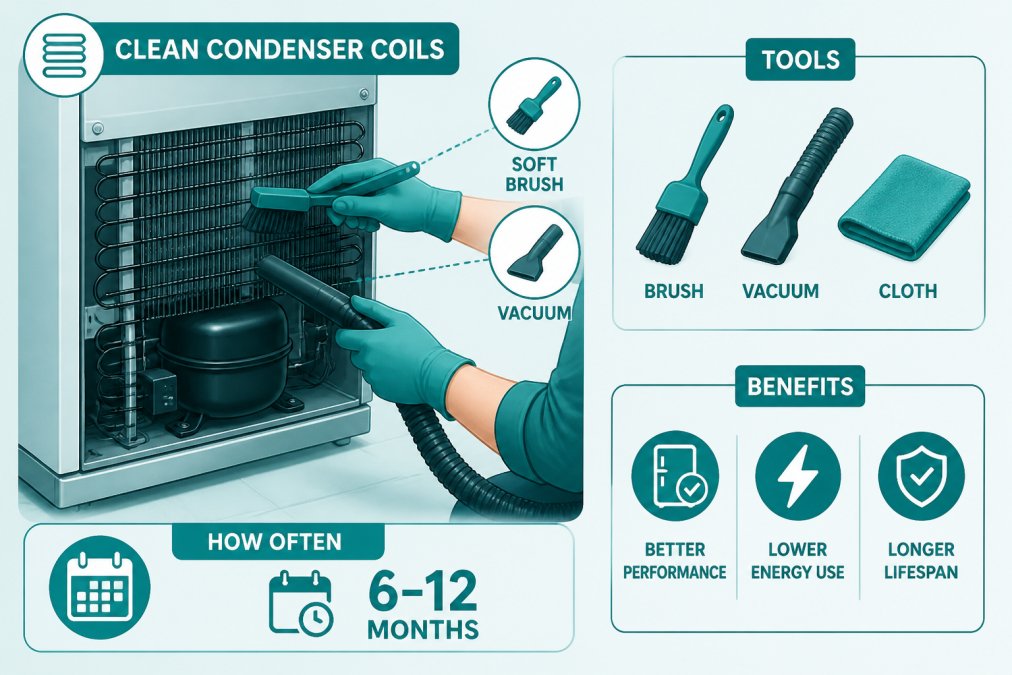
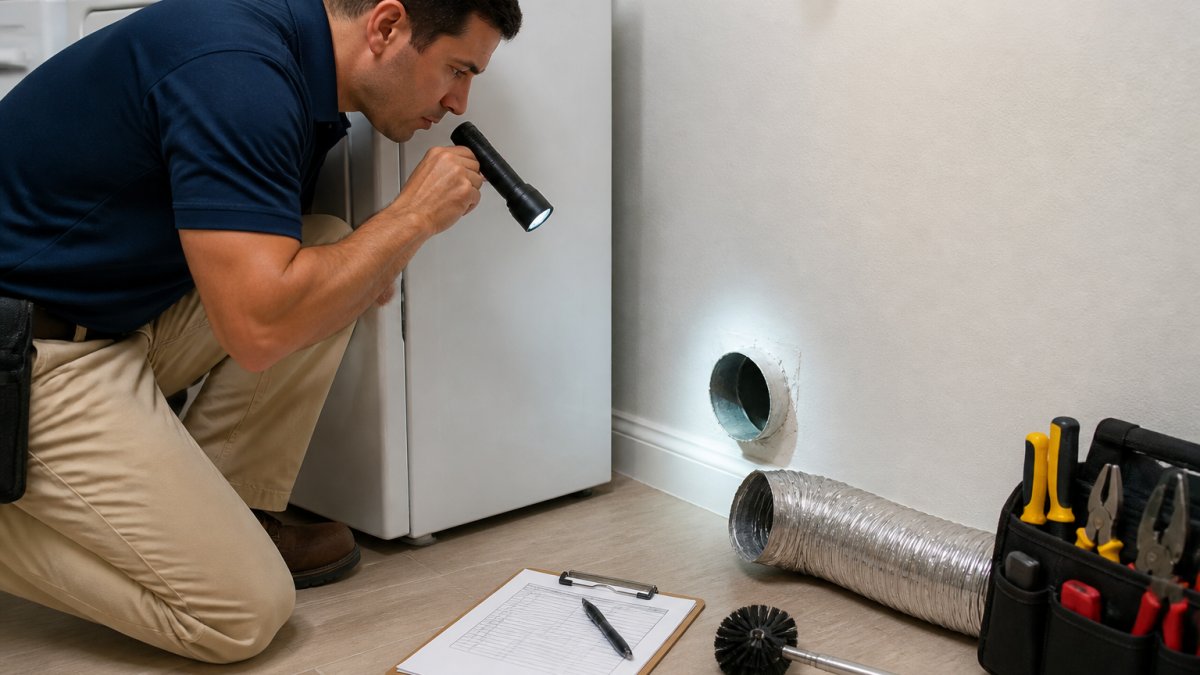
Clean the condenser coils every six months. Unplug the refrigerator, pull it away from the wall, and use a soft brush or vacuum to remove dust. This extends compressor lifespan by years.
Check and clean door seals monthly. Close the door on a dollar bill; if it slides out easily, the seal is worn and should be replaced. A degraded seal forces the compressor to cycle 30 to 50 percent more frequently.
Ensure proper airflow around the refrigerator. Leave at least two inches of space on all sides, especially behind the unit. Poor airflow forces the condenser to work harder.
Keep the refrigerator at correct temperature: 37 to 40 degrees Fahrenheit for fresh food, 0 degrees for freezer. Running colder than necessary just forces harder compressor work.
Flush the water line for ice maker and water dispenser annually to prevent mineral buildup. With hard water, flush more frequently.
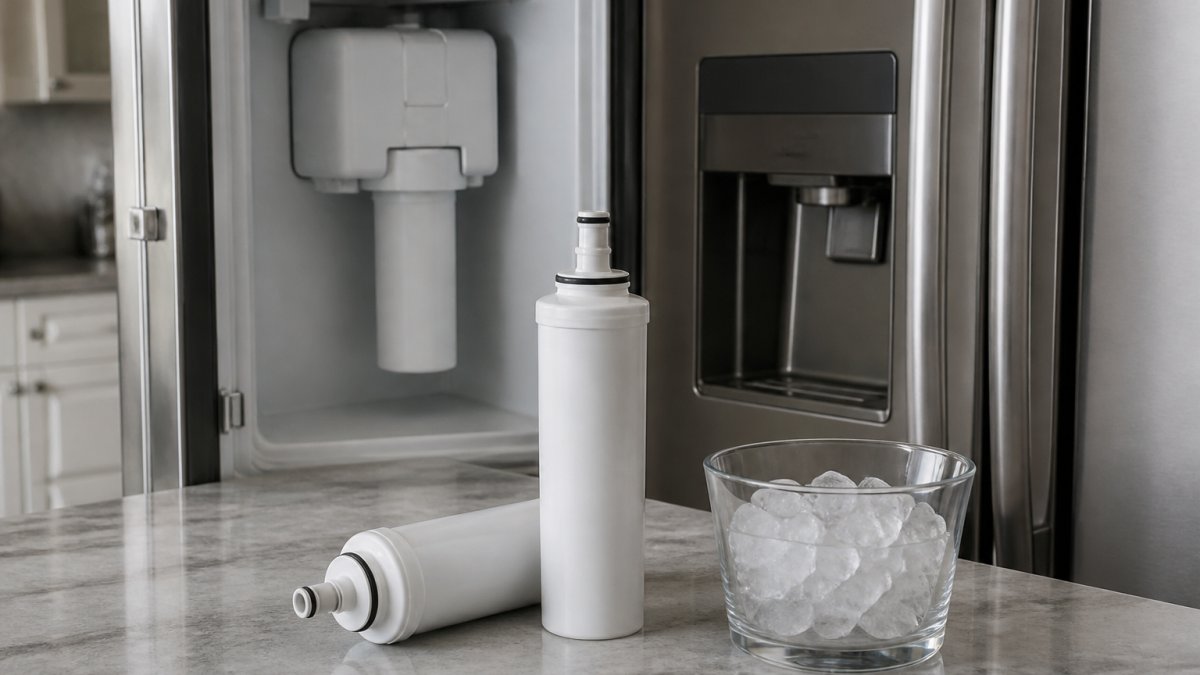
Keep the refrigerator away from heat sources like ovens, dishwashers, and direct sunlight. Replace the water filter every six months if your refrigerator has an ice maker or water dispenser.
When to Repair vs. Replace Your Refrigerator
Deciding whether to repair or replace depends on unit age, repair cost, and expected remaining lifespan. A simple rule: if repair cost exceeds 50 percent of replacement cost, replacement is usually better.
If your refrigerator is less than five years old, repair almost always makes sense. If it's between five and ten years old, the decision depends on the specific problem. Door seal or ice maker repairs are worth doing; compressor failure or sealed system leaks are more complicated. If repair cost exceeds four hundred dollars, replacement may be better.
If your refrigerator is older than ten years, consider total cost of ownership. Older units are less energy-efficient, so replacement saves money on energy costs over time. Sealed system failures are the deciding factor. Compressor replacement alone costs four hundred to eight hundred dollars, plus labor, easily over one thousand dollars. In most cases, this justifies replacement unless the refrigerator is nearly new.
Modern refrigerators use 40 to 50 percent less energy than units from fifteen years ago. If you're paying to repair a refrigerator costing extra money on energy bills monthly, replacement pays for itself over time.
At Home Tech, we help customers make this decision by diagnosing problems and providing clear repair estimates. Our EPA 608-certified technicians handle sealed system repairs on all major brands, providing honest advice about whether your specific refrigerator is worth repairing.
Choosing a reliable refrigerator brand means prioritizing durability and proven cooling systems over trendy features. GE Profile, Whirlpool, Bosch, LG, and Sub-Zero represent the best combination of longevity, service availability, and real-world performance. When your refrigerator needs repair, Home Tech's EPA 608-certified technicians are ready to help. We service all major brands across the Phoenix metro area with same-day appointments, no hidden fees, and a 100% satisfaction guarantee. Call (602) 486-1901 or visit hometechappliancerepair.com to book your repair today.
Frequently Asked Questions
What refrigerator brand should you stay away from?
Viking refrigerators have historically posted below-average reliability, with common electronic control board failures occurring at 4-7 years. Some Samsung models struggle with ice maker assembly issues and temperature regulation problems. Samsung Bespoke units require EPA 608-certified technicians for sealed-system repairs. If you're considering these brands, factor in higher repair costs and a shorter expected lifespan (10-15 years) compared to GE, Whirlpool, or Bosch.
What is the average lifespan of a refrigerator?
Most refrigerators last 10-15 years with proper maintenance. GE Profile models typically reach 12-18 years, while Bosch 800 Series units often last 14-19 years. Sub-Zero luxury models can exceed 20 years. Lifespan depends on usage, maintenance frequency, and whether you address repairs promptly. Regular condenser coil cleaning and proper door seal maintenance add years to your appliance's life.
Is LG or GE better for refrigerator reliability?
GE Profile ranks #1 in reliability according to J.D. Power's 2025 U.S. Appliance Reliability & Service Study for French door refrigerators. LG InstaView models offer strong cooling performance and dependable linear compressor technology, but some models report ice maker assembly issues. GE typically delivers more consistent long-term performance, though both brands offer 12+ year lifespans with proper care.
How often do modern refrigerators need repairs?
Well-maintained refrigerators from reliable brands rarely need repairs in their first 5-7 years. Most common issues appear after 4-7 years and involve ice makers, compressors, or electronic control boards. Preventative maintenance, cleaning condenser coils twice yearly, checking door seals, and monitoring temperature consistency, reduces repair frequency. When repairs are needed, addressing them quickly prevents food loss and extends appliance life.