 how-to
Why Your Commercial Freezer Is Leaking: 7 Fixes
Table of Contents
- Why Your Commercial Freezer Is Leaking
- Blocked or Clogged Defrost Drains
- Damaged Door Gaskets and Seal Integrity Issues
- Water Supply Line and Hose Leaks
- Cracked or Overflowing Drain Pans
- Evaporator Coil Ice Buildup and Condensation
- What Is EPA 608 Certified Repair and When You Need It
- Preventative Maintenance for Commercial Refrigeration
- Frequently Asked Questions
Last Updated: August 30, 2026
Why Your Commercial Freezer Is Leaking
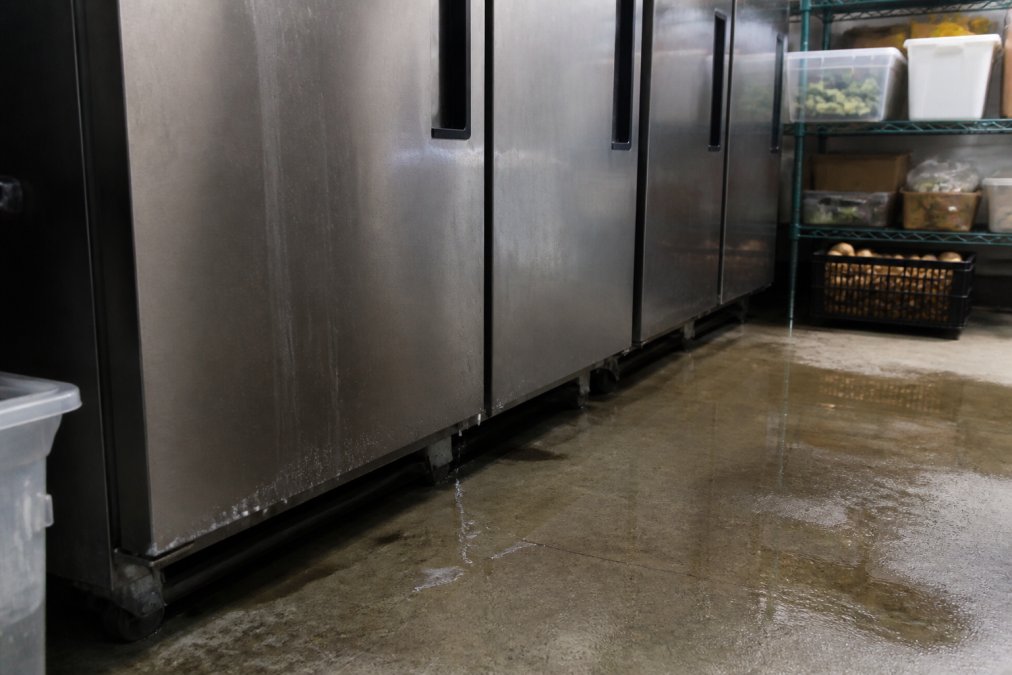
A commercial freezer leaking water is never minor. Equipment downtime costs money, and water pooling inside or beneath your unit risks food safety and damages floors and walls. Most leaks trace back to one of six common sources: a blocked defrost drain, damaged door gasket, cracked water supply line, overflowing drain pan, ice buildup on the evaporator coil, or improper unit leveling. At Home Tech, we've responded to hundreds of commercial freezer leaks across the greater Phoenix area, the faster you identify the source, the faster you stop the damage.
This guide walks you through each cause, how to spot it, and what you can do right now. We'll also cover when you need EPA 608 certified repair and how preventative maintenance saves you thousands in emergency calls.
Blocked or Clogged Defrost Drains
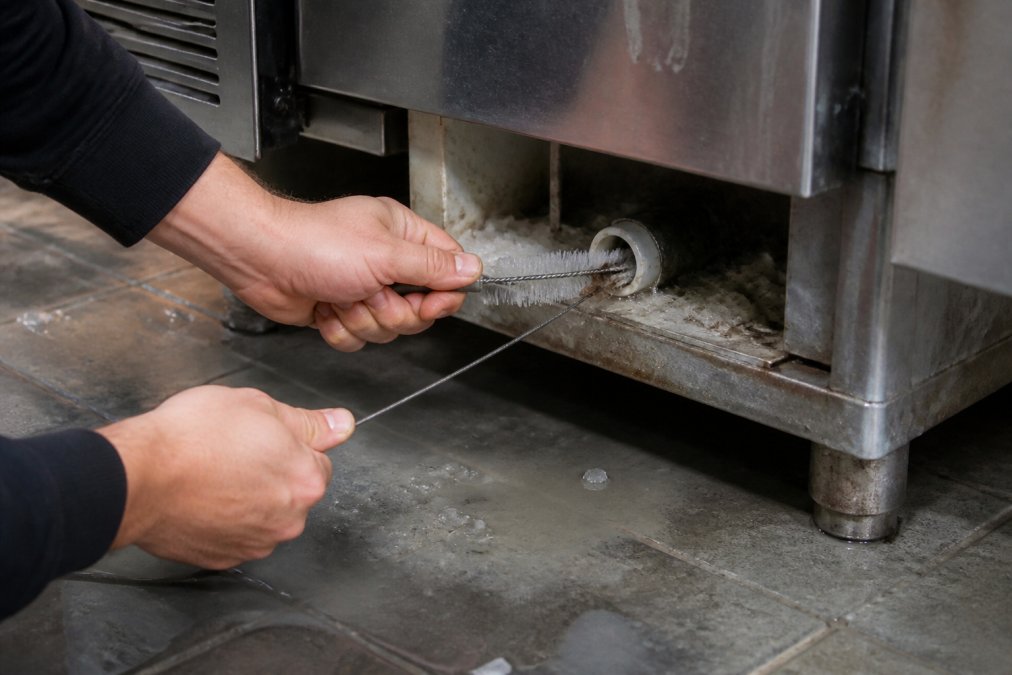
The defrost drain is the most common culprit behind a commercial freezer leaking. Every time the automatic defrost cycle runs, meltwater flows through this drain line into the drain pan below. If that line gets blocked by ice, debris, or mineral buildup, water backs up and pools inside the unit.
How to Identify a Clogged Drain
A clogged defrost drain shows itself clearly. You'll see standing water inside the freezer, usually pooling near the back wall or floor where the drain line sits. If you smell a musty odor, the blockage has been there long enough for organic growth to start.
To confirm the drain is the problem, locate the drain line exit point on the exterior back or side of the unit near the bottom. If water isn't draining from that outlet when the defrost cycle runs, the line is blocked.
Steps to Clear the Drain
Clearing a clogged defrost drain takes 15 to 30 minutes. First, turn off the freezer and allow any ice inside to soften for 10 to 15 minutes.
Locate the drain line access point inside the freezer (usually a small opening in the floor or back panel). Use a straightened wire or pipe cleaner to gently push through the line, breaking up ice and debris. Once you've cleared the internal blockage, flush the line with warm water using a small funnel or spray bottle. The water should flow freely from the exterior outlet.
After clearing, run the defrost cycle manually and watch for water to drain properly. Monitor for 24 hours.
Damaged Door Gaskets and Seal Integrity Issues
The door gasket, the rubber seal running around the freezer door, keeps cold air in and ambient humidity out. When the gasket cracks, warps, or loses its grip, warm air leaks into the unit and condenses on the cold evaporator coils, creating excess water that overwhelms the drainage system.
A failing gasket is easy to spot. Open the door and run your hand along the seal, it should feel firm and flexible with no gaps. If the rubber is hard, cracked, or peeling away from the door frame, seal integrity is compromised. You can also check for light leaking around the door edges when closed.
Another test: place a dollar bill in the door and close it. If you can pull the bill out without resistance, the seal is too loose. A proper gasket should grip the bill firmly.
Damaged door gaskets must be replaced, not repaired. The cost of a new gasket is minimal compared to food loss or equipment damage from excess water. Most commercial freezer doors use standard gasket profiles, so replacement is straightforward.
Water Supply Line and Hose Leaks
Many commercial freezers include an ice maker or water dispenser, which means there's a water supply line running to the unit. These lines are typically 1/4-inch plastic tubing or copper pipe under constant pressure (ashrae.org). A pinhole leak can spray water into the cabinet or beneath the unit.
Check the water supply line by tracing it from the wall connection to the freezer inlet. Look for water beads, dampness, or frost on the tubing. Leaks in supply lines usually require professional repair. Try tightening the connection at the water inlet with a wrench first, if tightening doesn't stop the leak, the fitting seal is damaged and the line needs replacement.
Cracked or Overflowing Drain Pans
Beneath every commercial freezer sits a drain pan that catches condensation and defrost water. Over time, these pans can crack from thermal stress or rust from standing water. A cracked pan leaks water directly onto your floor, creating a slip hazard and water damage.
An overflowing pan is equally problematic. If the pan is too small for the volume of water your freezer produces, or if the drain outlet is positioned too high, water spills over the edges.
To check the pan, look underneath the unit. The pan should be clean and dry or have only a small amount of standing water that drains slowly. If you see water pooling or dripping, the pan is the problem. A cracked pan must be replaced. An overflowing pan may need to be repositioned, enlarged, or the drain outlet adjusted.
Evaporator Coil Ice Buildup and Condensation
The evaporator coil is where refrigerant circulates to cool the freezer. During the defrost cycle, the coil warms up and any ice buildup melts. If too much ice accumulates, the defrost cycle can't melt it all, and excess water backs up into the cabinet.
Ice buildup happens when airflow across the coil is restricted. Dust, ice crystals, or debris block the air passages, preventing proper heat exchange. You can't see the evaporator coil directly, but you can infer its condition. If you notice frost or ice on the interior walls or floor, especially in back corners, the coil is icing up.
Fixing evaporator coil ice buildup requires checking the airflow path. Make sure the freezer's air vents are not blocked by boxes, shelving, or debris. Keep at least 6 inches of clearance behind and to the sides of the unit (ashrae.org). If the vents are clear and ice still accumulates, the coil itself may have a defect or the refrigerant charge may be low, both require professional service.
What Is EPA 608 Certified Repair and When You Need It
EPA 608 certification is a federal requirement for anyone handling refrigerants in sealed systems. The Environmental Protection Agency mandates that technicians working on refrigeration equipment must be certified to prevent refrigerant leaks that damage the ozone layer and contribute to climate change (the EPA).
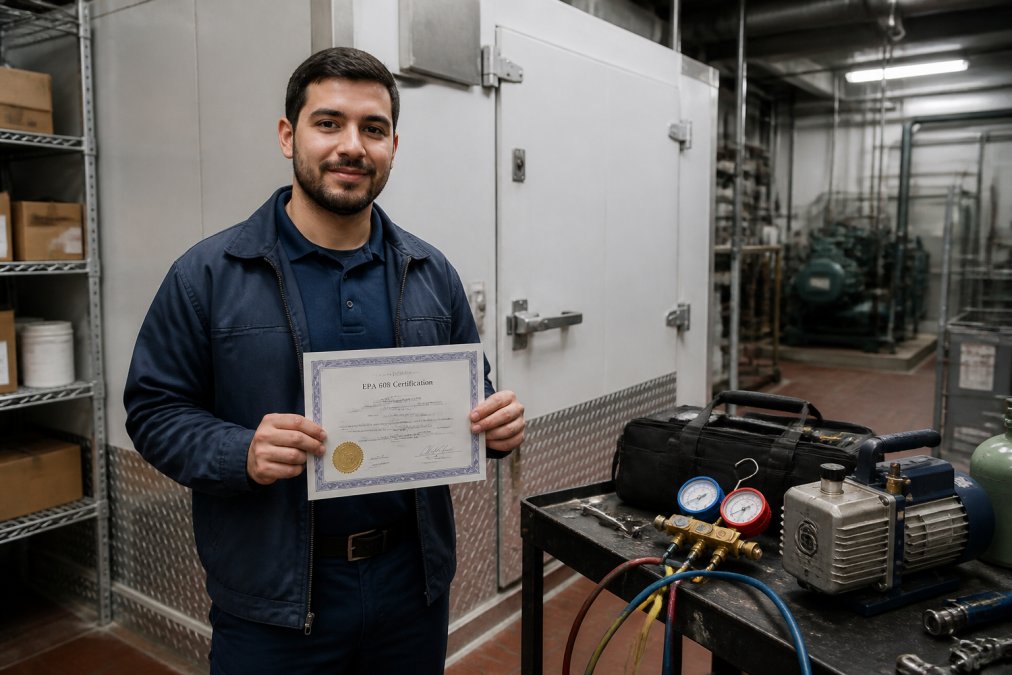
If your commercial freezer leak involves the refrigerant circuit, the sealed system where refrigerant flows, you must use an EPA 608 certified technician. This includes any work that requires opening the system, adding or removing refrigerant, or replacing components like the compressor, condenser, or evaporator coil.
Many leaks (clogged drains, damaged gaskets, cracked drain pans) do not require EPA 608 certification because they don't touch the refrigerant system. But if the leak is coming from a refrigerant line, compressor seal, or valve, only a certified technician can repair it legally. Home Tech's technicians are EPA 608 certified and carry the proper equipment to handle sealed-system repairs safely.
When you call for service, be clear about where the water is coming from. If it's pooling inside the freezer but the refrigerant lines appear dry, the problem is likely drainage or humidity. If you see oil residue or smell refrigerant, or if the leak is coming from the back near the compressor, the sealed system is involved and EPA 608 certification is required.
Preventative Maintenance for Commercial Refrigeration
The best way to avoid emergency freezer leaks is preventative maintenance. A simple quarterly inspection catches problems before they become costly.
Monthly checks:
- Inspect the door gasket for cracks or hardening.
- Check the exterior drain outlet by pouring a small amount of water down the interior drain access point and confirming it flows freely from outside.
- Look under the unit for water pooling or dripping.
- Verify the freezer is level using a small spirit level on a shelf inside.
Quarterly maintenance:
- Clean the condenser coils on the back of the unit with a soft brush or vacuum.
- Inspect the water supply line for cracks, loose fittings, or frost buildup.
- Check that air vents and clearance around the unit are unobstructed.
Annual professional service:
- Have a certified technician perform a full system diagnostic, including refrigerant charge, defrost cycle timer, and internal component inspection.
- Clean the drain pan and drain line with commercial-grade cleaner.
- Test door gasket seal integrity and replace if needed.
Preventative maintenance typically costs a fraction of emergency repair. A single freezer shutdown can cost hundreds or thousands in lost product. At Home Tech, we offer preventative maintenance contracts for commercial freezers and walk-in coolers. Same-day and next-day appointments are available, and we prioritize emergency calls because equipment downtime directly impacts your business.
A commercial freezer leaking water is fixable, and most causes are preventable with regular inspection. Start by identifying whether the leak is coming from the drainage system, the door seal, or the refrigeration circuit itself. Drain and gasket problems are often DIY fixes or quick service calls. Refrigerant system leaks require EPA 608 certified repair. If you're in the greater Phoenix area and need same-day service, Home Tech is equipped to handle residential and commercial refrigeration repairs, from simple drain clearing to full sealed-system diagnostics. Call (602) 486-1901 or visit hometechappliancerepair.com to book your appointment and stop the leak before it costs you more.
| Common Cause | Symptom | DIY Fix? | Professional Service Needed? |
|---|---|---|---|
| Blocked defrost drain | Water pooling inside freezer | Yes | Only if blockage is deep in line |
| Damaged door gasket | Light leaking around door edges; warm air inside | No | Yes, gasket replacement required |
| Water supply line leak | Water dripping from back of unit; frost on line | No | Yes, line replacement required |
| Cracked drain pan | Water pooling underneath unit | No | Yes, pan replacement required |
| Evaporator coil ice | Frost visible inside; water pooling | Partial | Yes, if airflow fix doesn't work |
| Improper leveling | Water pooling in low spots | Yes | Only if leveling legs are damaged |
Frequently Asked Questions
How do I know if my commercial freezer leaking is from a clogged defrost drain versus a refrigerant leak?
Water pooling under the unit or dripping from inside points to a clogged defrost drain or failed drain pan. Refrigerant leaks rarely produce visible water; instead, you'll notice ice buildup on evaporator coils, reduced cooling, or an oily residue on the compressor. If you see clear water and the freezer still cools normally, start by checking the drain line. Refrigerant issues require an EPA 608-certified technician because handling refrigerant without certification is illegal.
Can I fix a commercial freezer defrost drain clogged on my own, or do I need a technician?
You can try flushing the drain with warm water and a small brush if you can safely access it. Remove visible debris, then pour warm (not hot) water down the drain slowly. If water backs up or the clog persists, stop, forcing it risks damaging the drain line. For commercial units, especially those with complex drainage systems, a technician should handle it. They have the right tools and can identify whether the blockage is from food particles, mineral buildup, or ice.
What does preventative maintenance for commercial refrigeration involve, and how often should I schedule it?
Preventative maintenance includes inspecting door gaskets for tears, cleaning evaporator and condenser coils, flushing defrost drains, checking drain pan integrity, verifying proper unit leveling, and testing the automatic defrost cycle. Most commercial operators should schedule maintenance every 3-6 months, depending on usage and ambient temperature. Regular maintenance prevents emergency downtime, extends equipment life, and catches small issues, like a slow drain, before they cause water damage or food loss.
Why is EPA 608 certification important when a technician repairs my commercial freezer?
EPA 608 certification proves a technician is trained and legally authorized to handle refrigerants. Federal law requires certification to service sealed-system refrigeration equipment. Uncertified work voids warranties, creates safety risks (refrigerant exposure), and can result in fines. When you hire a technician, always ask for proof of EPA 608 certification. Reputable repair companies proudly display this credential because it protects both you and the technician.