 how-to
HVAC Maintenance: What's Included & Why It Matters
Table of Contents
- What Is Included in HVAC Maintenance
- How Often to Service HVAC Systems
- HVAC Maintenance Checklist for Homeowners
- DIY vs. Professional HVAC Maintenance
- Average Cost of HVAC Service Call and Long-Term Savings
- Seasonal Preparation Timelines for Your System
- Frequently Asked Questions
Last Updated: August 25, 2026
What Is Included in HVAC Maintenance
HVAC maintenance refers to routine inspection, cleaning, and adjustment of your heating and cooling system to keep it running efficiently and safely. Think of it like car maintenance, regular upkeep prevents breakdowns, extends system life, and catches small problems before they become expensive repairs. At Home Tech, homeowners who stay on top of routine maintenance avoid emergency calls that cost significantly more than preventative service.
Cooling System Tasks
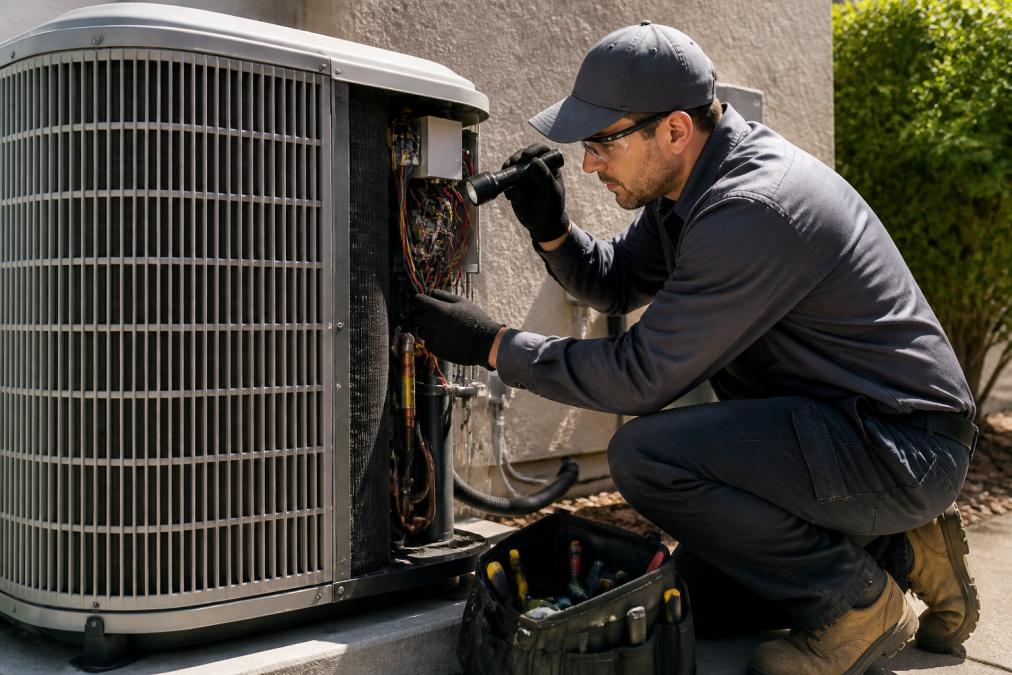
Air conditioning maintenance focuses on keeping your compressor, condenser coil, evaporator coil, and refrigerant levels in proper working condition. The condenser coil (outside) releases heat; the evaporator coil (inside) absorbs heat from your indoor air. Both need to be clean to function effectively.
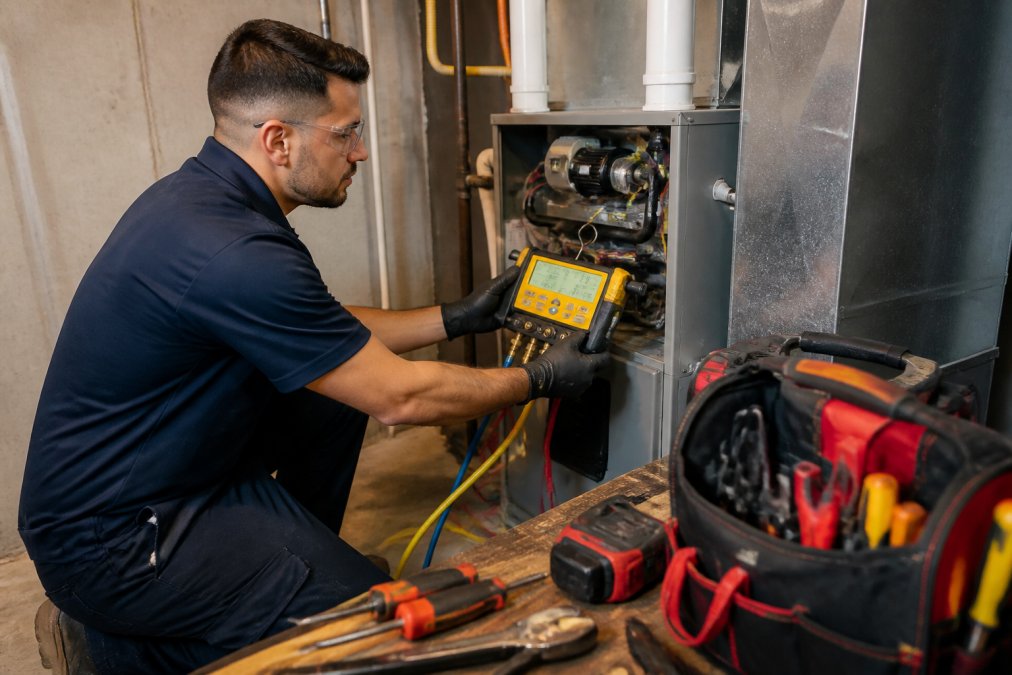
Checking refrigerant levels is critical, low refrigerant indicates a leak, and your system won't cool properly without the correct charge. A professional uses specialized equipment to measure refrigerant pressure; this requires EPA certification and specialized tools, not a DIY task.
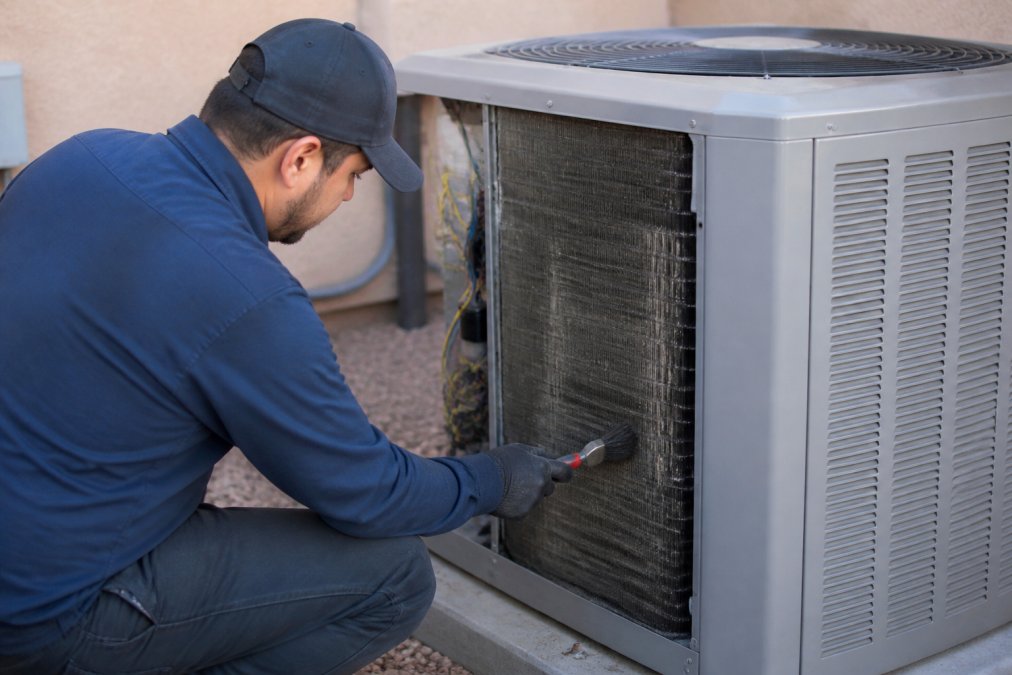
Cleaning the condenser coil removes dirt, leaves, and debris that accumulate on the outdoor unit. A clogged condenser forces your compressor to work harder, reducing efficiency and shortening its lifespan. Many homeowners can do this with a garden hose and soft brush.
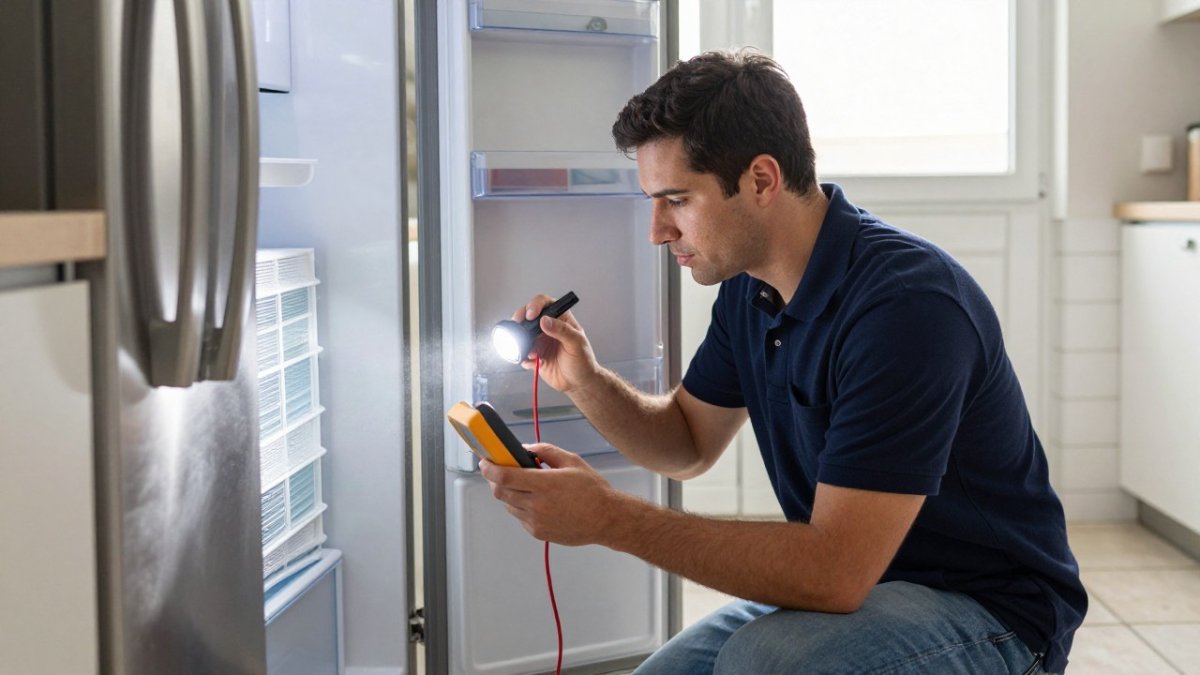
The blower motor and fan blades need inspection for wear, noise, or vibration. A squeaking blower often signals that lubrication ports need attention. Electrical connections and voltage testing ensure your system isn't drawing excessive amperage, which indicates failing components.
Heating System Tasks
Heating maintenance varies by system type. For gas furnaces, the ignition system is critical, whether your furnace uses a pilot light or electronic ignition, this component must light reliably. Technicians check the thermocouple (a safety sensor that shuts off gas if the pilot goes out) and the ignition control board.
The heat exchanger transfers heat from burning fuel to your home's air. Cracks in the heat exchanger are serious, they can allow carbon monoxide to leak into your home. Visual inspection during maintenance can catch early corrosion or damage.
Limit controls prevent your furnace from overheating by shutting off the burner if temperature gets too high. For heat pumps, maintenance includes checking refrigerant levels and system diagnostics similar to air conditioning, since heat pumps operate as both cooling and heating systems.
How Often to Service HVAC Systems
Most manufacturers recommend professional HVAC maintenance twice per year: once before cooling season and once before heating season (ashrae.org). This spring and fall timing aligns with when you're about to rely on that system heavily. A system that hasn't been serviced in 18 months is more likely to fail when you need it most.
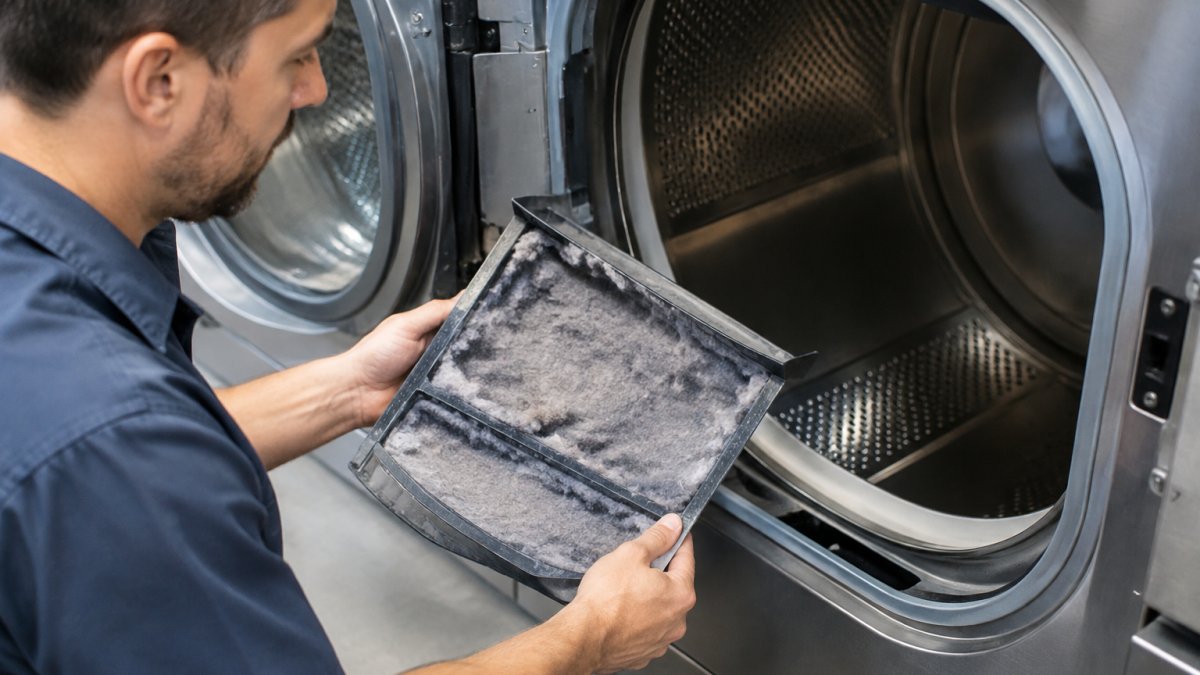
Between professional visits, homeowners should check and replace air filters monthly during peak season. A clogged filter restricts airflow, forces your system to work harder, and reduces efficiency. This is the single easiest maintenance task you can do yourself.
HVAC Maintenance Checklist for Homeowners
Air Filter Replacement Steps
Air filter replacement is the most important DIY task. A clean filter improves airflow efficiency, reduces strain on your system, and keeps dust and allergens out of your home.
Step 1: Locate your air filter in a return air duct or blower compartment. Check your owner's manual for the exact location.
Step 2: Check the filter monthly. Hold it up to light. If you can't see light through it, it's clogged and needs replacement.
Step 3: Note the filter size and MERV rating. The size is printed on the frame (e.g., "16x25x1"). MERV rating indicates filtration fineness; most homes use MERV 8-11. Don't jump to MERV 13 without checking if your system can handle the restriction.
Step 4: Turn off your system to prevent dust from entering the ducts during replacement.
Step 5: Remove the old filter and note the arrow showing airflow direction. Your new filter must face the same direction.
Step 6: Insert the new filter ensuring it seats fully with no gaps around the edges.
Step 7: Turn the system back on and mark your calendar for the next check, typically 30 days during peak season.
Visual Inspection Tasks
Check the outdoor condenser for debris. Remove leaves, branches, grass clippings, and dirt. Keep the area around the unit clear, at least two feet on all sides for airflow.
Inspect refrigerant lines running from outdoor to indoor units. They should be insulated with foam sleeves. Damaged insulation reduces efficiency.
Inspect ductwork in your basement, attic, or crawlspace for gaps and disconnections. Gaps leak conditioned air, wasting energy. Seal small gaps with duct tape.
Listen for unusual sounds during operation. A grinding noise, squealing, or rattling indicates something is wrong. Check your thermostat for accurate temperature display.
DIY vs. Professional HVAC Maintenance
DIY tasks you can handle: Air filter replacement, visual inspections of outdoor units and ductwork, cleaning the condenser coil with a garden hose for light debris, and checking thermostat settings.
Tasks requiring a professional: Refrigerant work is illegal for unlicensed technicians. The EPA requires certification (608 certification) to handle any refrigerant system (the EPA). Electrical testing and repairs require specialized equipment and training. Heat exchanger inspection in gas furnaces should be done by a professional. Thermostat calibration and limit control testing need professional equipment to verify accuracy.
A professional visit costs less than an emergency repair. A technician catches problems you'd miss, has the right tools to diagnose accurately, and can perform work that's legally restricted.
Average Cost of HVAC Service Call and Long-Term Savings
Professional HVAC maintenance pricing varies based on your system type, local market rates, and what's included. Contact Home Tech directly for a quote. We offer same-day and next-day appointments with transparent pricing and no hidden fees.
The financial case for regular maintenance is clear: preventative service can help avoid emergency repairs that often cost significantly more. Regular maintenance also extends system life. A well-maintained HVAC system can last longer than one that is neglected. Replacing an entire system can be a significant investment. Getting extra years of life from your current system by spending annually on maintenance can provide a strong return.
Energy efficiency improvements from maintenance are real but often overstated. A clean system runs more efficiently than a dirty one, but the difference is typically 5-10% in energy use (energy.gov). Over a year, that's meaningful savings on utility bills.
Seasonal Preparation Timelines for Your System
Spring (March-April): Schedule cooling system maintenance before warm weather arrives. Aim to have maintenance done by late April so you're ready for May heat.
Summer (June-August): Focus on filter checks and minor cleaning. Monitor your system closely. If you notice reduced cooling or unusual sounds, call immediately.
Fall (September-October): Schedule heating system maintenance before cold weather. Have this done by mid-October so you're covered before November cold snaps.
Winter (November-February): Your heating system is under maximum stress. Check filters monthly and keep the outdoor heat pump or condenser unit clear of snow and ice.
Regular HVAC maintenance keeps your system reliable, efficient, and safe. Whether you handle simple tasks yourself or rely on a professional, staying consistent with a maintenance schedule prevents emergency breakdowns and extends your system's life. Home Tech provides comprehensive HVAC maintenance and repair for residential and commercial systems across the greater metro area. Call (602) 486-1901 or visit hometechappliancerepair.com to schedule your seasonal maintenance appointment and protect your investment.
| Task | Frequency | DIY or Professional | Difficulty |
|---|---|---|---|
| Air filter replacement | Monthly during peak season | DIY | Easy |
| Visual condenser inspection | Quarterly | DIY | Easy |
| Refrigerant level check | Twice yearly | Professional | Requires certification |
| Blower motor lubrication | Twice yearly | Professional | Requires expertise |
| Heat exchanger inspection | Twice yearly | Professional | Safety-critical |
| Thermostat calibration | Twice yearly | Professional | Requires equipment |
| Ductwork inspection | Annually | DIY | Easy |
| Electrical voltage testing | Twice yearly | Professional | Requires tools |
Frequently Asked Questions
What does regular HVAC maintenance include?
Regular HVAC maintenance includes air filter replacement, refrigerant level checks, condenser and evaporator coil cleaning, thermostat calibration, electrical connection inspection, blower motor lubrication, condensate drain cleaning, and system performance diagnostics. Professional tune-ups also involve voltage testing, amperage draw measurement, and safety inspections to ensure your system operates efficiently and safely year-round.
How often should you have your HVAC system serviced?
Most manufacturers recommend servicing your HVAC system twice per year: once before cooling season (spring) and once before heating season (fall). This preventative approach catches problems early, maintains energy efficiency, and extends system longevity. If your system is older or you live in a dusty climate, more frequent filter changes and inspections may be necessary to maintain optimal airflow and performance.
What is the average cost of an HVAC service call?
HVAC service call costs vary based on system type, age, refrigerant type, and the extent of diagnostics or repairs needed. For pricing on professional maintenance and tune-ups specific to your system, contact a licensed technician for a quote. Many companies offer seasonal maintenance plans that spread costs throughout the year and often include priority scheduling and discounts on repairs.
What is the difference between DIY maintenance and professional HVAC service?
Homeowners can safely replace air filters, clean outdoor condenser units, and perform visual inspections. However, refrigerant handling, electrical testing, sealed-system diagnostics, and thermostat calibration require EPA 608 certification and specialized equipment. Professional technicians can detect heat exchanger damage, compressor issues, and safety hazards that DIY inspection misses, protecting your investment and ensuring safe operation.