 ultimate-guide
What Is EPA 608 Certified Repair? (2026 Guide)
Table of Contents
- What Is EPA 608 Certified Repair?
- EPA 608 Type I II III Universal Certification: Which Do You Need?
- Who Needs EPA 608 Certification?
- EPA 608 Technician Certification Requirements
- Refrigerant Handling Regulations You Must Follow
- How to Get Certified and Pass the Exam
- Why Hiring an EPA 608 Certified Technician Matters
- Book an EPA 608 Certified Repair
- Frequently Asked Questions
Last Updated: September 4, 2026
What Is EPA 608 Certified Repair?
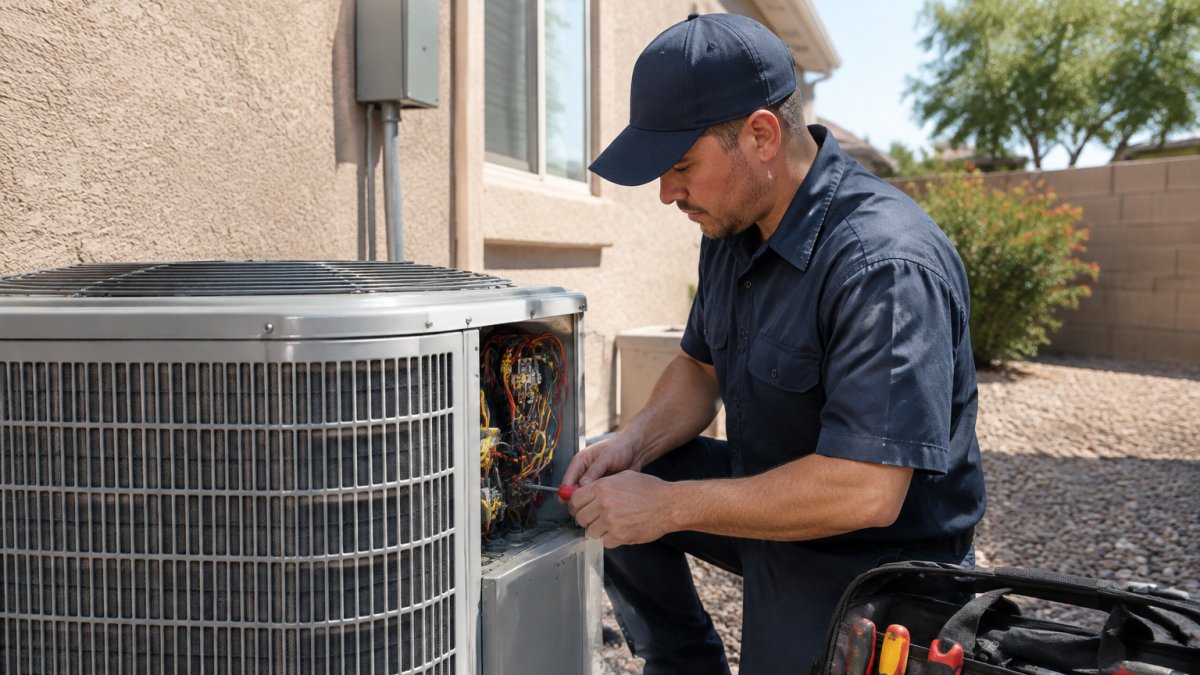
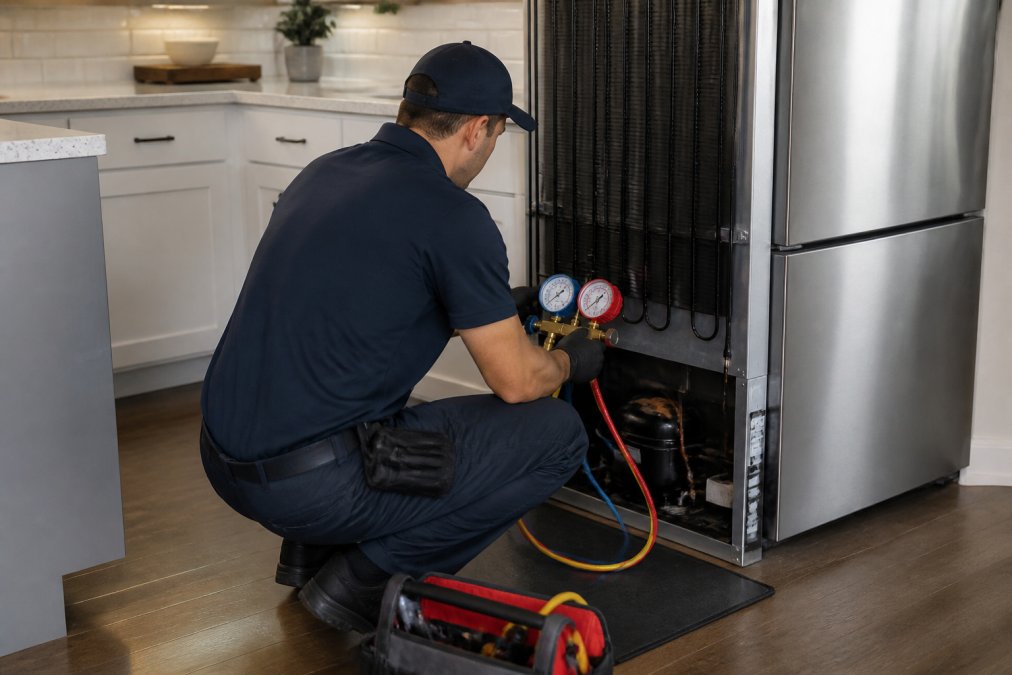
EPA 608 certified repair is any service work on refrigeration and air conditioning equipment that involves handling refrigerants, performed by a technician who holds the federal certification required under the Clean Air Act. This certification, administered by the Environmental Protection Agency, proves a technician has passed an exam on safe refrigerant handling, recovery, and the laws that prohibit venting ozone depleting substances into the atmosphere. Without it, a repair tech cannot legally open a sealed system, recharge a compressor, or recover refrigerant during maintenance.
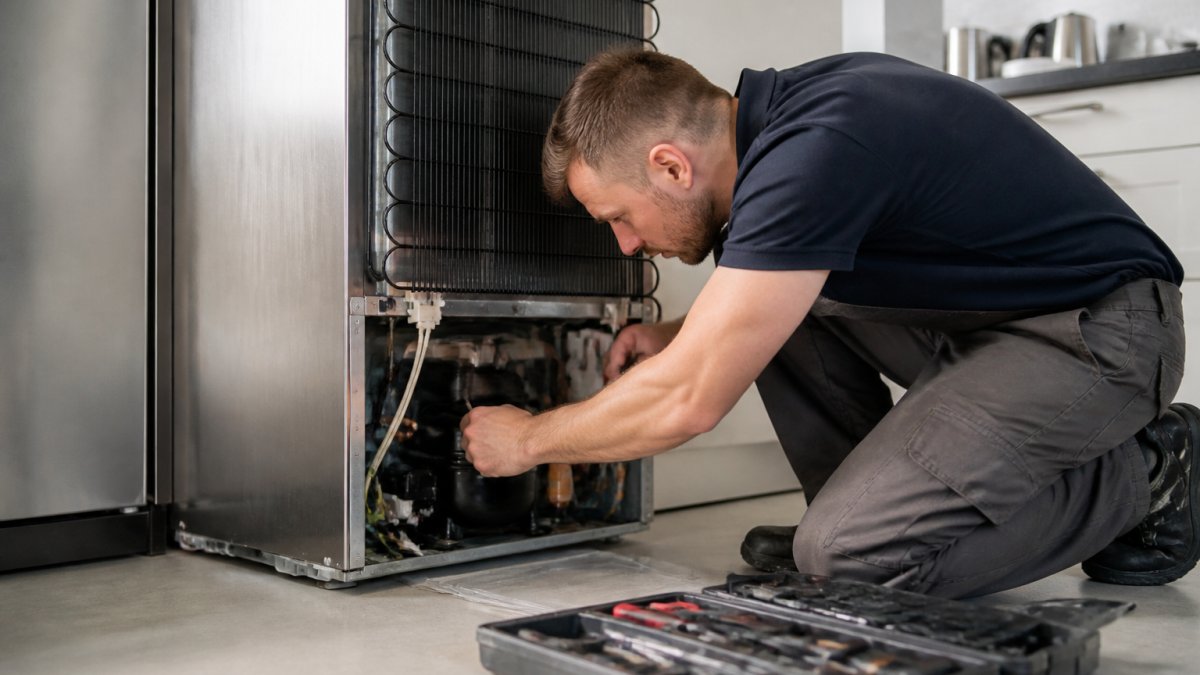
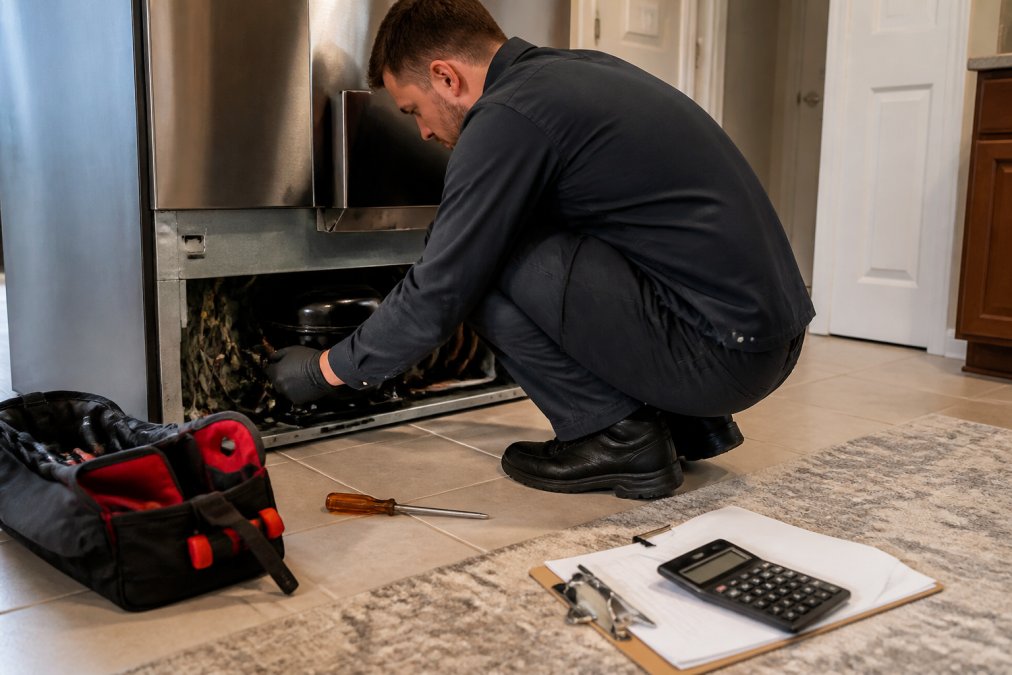
That federal mandate matters more than most homeowners realize. If a technician is not EPA 608 certified, they are breaking the law the moment they touch your refrigerator's sealed system or your AC condenser. At Home Tech, every technician who performs sealed-system work holds this credential. The certification exists to protect the ozone layer, but in practice, it is your best guarantee that the person working on your equipment understands the refrigeration cycle, knows how to use recovery equipment, and will not cut corners that lead to repeat breakdowns.
The rules apply to everyone who works on stationary refrigeration, from a residential fridge to a commercial walk-in cooler. Below, we explain what the certification covers, which type you need, and what it means when you hire a certified technician.
EPA 608 Type I II III Universal Certification: Which Do You Need?
The EPA splits its technician certification into three core types plus a universal credential that covers all of them. Type I covers small appliances, defined as systems containing less than five pounds of refrigerant that are factory-sealed, such as household refrigerators and window AC units. Type II covers high-pressure appliances, which includes most residential and commercial air conditioning systems and many commercial refrigeration units. Type III covers low-pressure appliances, primarily large chillers found in commercial buildings.
Universal certification combines all three, allowing a technician to work on any system type they encounter in the field. For a homeowner, the practical difference is simple: a technician with only Type I certification can legally service your refrigerator but cannot touch your central AC condenser. A Universal certified technician can handle both, plus commercial equipment like walk-in coolers. When you book a repair, asking which certification type the technician holds tells you exactly what they are qualified to touch.
Most full-service repair companies require Universal certification from their field technicians, because a single service call can involve multiple system types.
Who Needs EPA 608 Certification?
Anyone who performs service, maintenance, repair, or disposal that could release refrigerants into the atmosphere must hold EPA 608 certification. This includes HVAC technicians, appliance repair professionals, and commercial refrigeration specialists. The requirement comes from Section 608 of the Clean Air Act, which the EPA enforces through its refrigerant handling regulations and technician certification program.
The certification is not optional for professionals, and the consequences of skipping it are serious. The EPA can levy fines for venting refrigerants or for performing service without proper certification. For business owners, hiring uncertified workers creates liability. For homeowners and restaurant operators, it means the person working on your equipment may not know how to handle refrigerants safely, which risks both your equipment and the environment.
If you manage a restaurant with a walk-in cooler or a grocery store with display cases, your repair vendor must send EPA 608 certified technicians on every refrigeration call. The same applies to HVAC contractors working on your rooftop units or split systems. The certification is the baseline legal requirement that separates licensed professionals from unlicensed operators.
EPA 608 Technician Certification Requirements
The path to becoming EPA 608 certified is straightforward but requires genuine study. Technicians must pass a closed-book exam administered by an EPA-approved certifying organization. The exam covers refrigerant recovery, recycling, and reclaiming; the ozone depletion potential of different refrigerants; and the specific regulations under the Clean Air Act, including the prohibition on venting and the requirement to use certified recovery equipment.
There is no experience prerequisite to take the exam, which means apprentices and students can get certified before entering the field. The core exam is required for all types, and technicians seeking Type II, Type III, or Universal certification must pass additional section exams specific to those appliance categories. The exams test practical knowledge, including pressure levels, recovery procedures, and how to handle different refrigerant types like R22, R410A, and newer alternatives.
One of the most misunderstood aspects of EPA 608 certification is what happens after you pass. The certification itself does not expire, there is no renewal fee, no continuing education requirement, and no periodic re-testing. Once you pass, you are certified for life, which is a major reason the credential is so widely held.
However, the certificate not expiring does not mean your knowledge stays current. The refrigerant landscape has shifted dramatically since the exam was first introduced in the early 1990s. R22, once the most common refrigerant in residential AC systems, has been phased out of production entirely. R410A, which replaced it, is now itself being phased down under the American Innovation and Manufacturing Act. Newer refrigerants like R454B and R32 are entering the market with different pressure characteristics and safety requirements that did not exist when many technicians took their original exam.
This creates a practical gap between certification and competence. A technician who passed the exam in 2005 and never studied again may know R22 and R410A well but have zero familiarity with R454B or the leak detection requirements under the AIM Act. Responsible technicians pursue ongoing training even though the certificate never lapses, because handling modern refrigerants requires knowledge that did not exist when the original exam was written.
For employers, this distinction matters. The EPA 608 card proves a technician passed a baseline exam at some point in their career, not that they understand current regulations or modern refrigerants. A thorough hiring process should verify the certification and ask about recent training on new refrigerant types.
For technicians, the practical takeaway is to treat the certification as a starting point, not a finish line. The card opens the door to legal employment, but your value in the market grows with your knowledge of current refrigerants, recovery equipment, and regulatory changes. The AIM Act's phasedown schedule is already reshaping which refrigerants are available, and staying informed about those changes is what separates a certified technician from a truly current one.
Refrigerant Handling Regulations You Must Follow
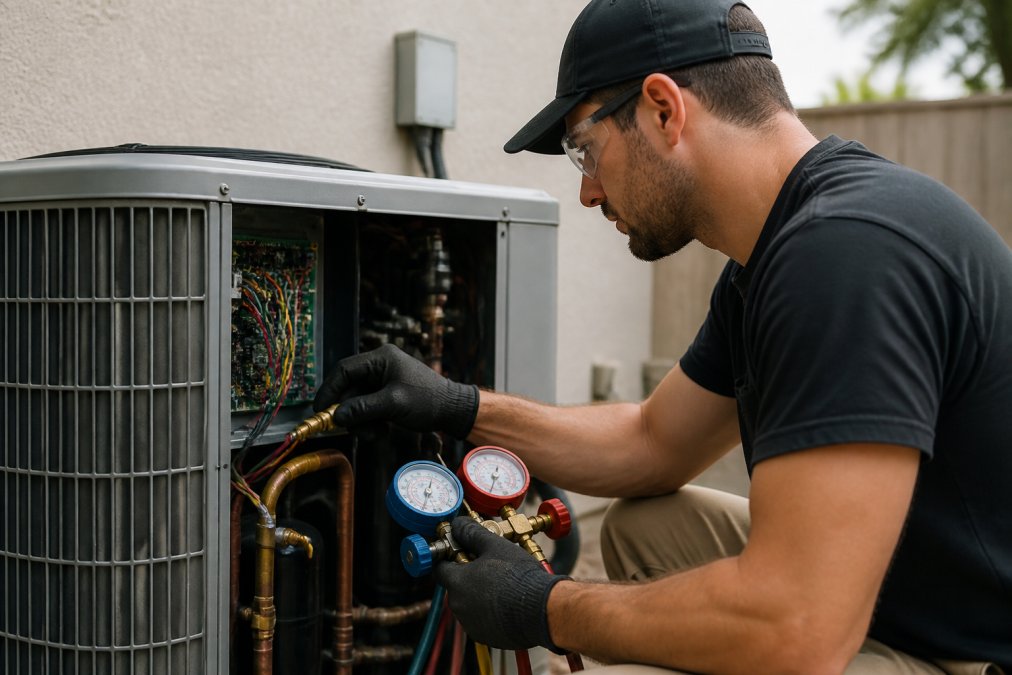
The core rule of EPA 608 is simple: venting refrigerant to the atmosphere is illegal. Technicians must use approved recovery equipment to capture refrigerants during service, repair, and disposal. This applies to every refrigerant type, including ozone depleting substances like R22 and the hydrofluorocarbons that replaced them.
The regulations also require technicians to verify that appliances are leak-free before adding refrigerant, and to repair leaks in systems above a certain size rather than simply topping them off. For small appliances, technicians must recover refrigerant before disposal or use in-place techniques that capture refrigerant without opening the system. These rules are enforced through the EPA's stationary refrigeration and air conditioning program, which tracks refrigerant sales and holds technicians accountable for proper handling.
For equipment owners, the practical takeaway is that a certified technician will often recommend repairing a leak rather than recharging the system repeatedly. This approach costs more upfront but prevents the environmental damage and repeated service calls that come from ignoring a slow leak. The Clean Air Act provisions on ozone protection exist to reduce refrigerant emissions, and compliant technicians build their service practices around that goal.
How to Get Certified and Pass the Exam
Getting certified starts with choosing an EPA-approved certifying organization. The two largest are ESCO Institute and Mainstream Engineering, both of which administer the official Section 608 exam at thousands of locations nationwide. You can also take the exam through many community colleges and trade schools that offer HVAC programs. The test is closed-book, proctored, and costs roughly $100 to $150 depending on the provider.
Most first-time test takers underestimate how much memorization the exam requires. It is not a test of troubleshooting skill, it is a test of regulatory knowledge, refrigerant properties, and recovery equipment specifications. A common pattern among those who fail is assuming field experience alone will carry them through. It will not; the exam asks about specific vacuum levels, recovery times, and equipment requirements you must commit to memory.
A study plan that works: spend one week on the core material that applies to all certification types, then one week on the section exam for your specific type. The core material covers the Clean Air Act, the venting prohibition, refrigerant recovery and recycling definitions, and the ozone depletion potential of common refrigerants. The type-specific material covers the appliance categories, pressure thresholds, and recovery equipment requirements for that category.
Practice exams are the single best preparation tool. ESCO and Mainstream both sell official practice question books, and many HVAC trade schools offer free practice tests online. Take at least three full practice exams before the real one. If you score above 85 percent consistently, you are ready. If you are scoring below 75 percent, you are not, go back to the study material rather than gambling on the exam fee.
The most commonly missed questions involve recovery equipment specifications. For Type I small appliances, the key numbers are the 4 psi recovery level for systems with a compressor and the 10 psi level for systems without one. For Type II high-pressure appliances, the recovery level is 0 psi, and the system must be evacuated to 15 inches of mercury vacuum for appliances with a charge under 200 pounds. For Type III low-pressure appliances, the recovery level is 25 inches of mercury vacuum. These numbers appear repeatedly on the exam, and memorizing them is non-negotiable.
Another common pitfall is confusing the certification types themselves. Type I covers small appliances, factory-sealed systems with less than five pounds of refrigerant. Type II covers high-pressure appliances, including most residential and commercial air conditioning. Type III covers low-pressure chillers. Universal certification requires passing all three section exams. Many technicians take the Universal exam immediately, which is a reasonable strategy if you plan to work across different system types.
For technicians entering the field, hands-on practice with recovery equipment is essential. Many training programs include lab time where students practice recovering refrigerant from actual systems. The certification itself is a written test, but the knowledge it verifies is deeply practical. If you are studying on your own, find a mentor or a local trade school that offers lab access, the hands-on experience will make the written material far easier to retain.
Why Hiring an EPA 608 Certified Technician Matters
Hiring a certified technician protects your equipment, your wallet, and the environment. A certified professional knows how to diagnose a sealed-system failure correctly, recover refrigerant without losing it, and repair the actual problem instead of applying a temporary fix. This translates directly into fewer repeat service calls and longer equipment life.
For commercial operators, the stakes are higher. A walk-in cooler failure in a restaurant threatens an entire inventory of food, and the technician who responds must be capable of diagnosing and repairing the system quickly and correctly. At Home Tech, our EPA 608 certified technicians handle everything from residential refrigerator compressors to commercial walk-in freezers, and we prioritize commercial calls because we understand that downtime costs you money.
The certification also signals professionalism. A technician who invested the time to get certified and stay current on regulations is more likely to show up on time, clean up after the job, and stand behind their work.
Book an EPA 608 Certified Repair
When your refrigerator stops cooling or your AC fails on a hot day, the technician you call determines whether the fix lasts. EPA 608 certification is the legal and professional baseline for anyone working on sealed systems, and it is the credential that separates qualified repair work from guesswork.
At Home Tech, every sealed-system repair is performed by EPA 608 certified technicians who service all major brands and all refrigerant types, from legacy R22 to current R454B systems. We offer same-day appointments across the Phoenix metro area, upfront pricing with no hidden fees, and a 100% satisfaction guarantee on every repair. Whether you need a residential refrigerator repair, a commercial walk-in cooler service, or an HVAC system diagnostic, our certified team is ready to help.
Frequently Asked Questions
How much does an EPA 608 certification cost?
The EPA 608 certification exam typically costs between $25 and $150, depending on the testing provider. Some employers cover the cost as part of technician training. The certification itself does not expire, so this is a one-time fee unless you need to replace a lost card. Compare a few EPA-approved certifying organizations to find the best price and testing format for you.
How hard is it to pass the EPA 608 exam?
The EPA 608 exam is challenging but passable with proper study. Each section requires a score of 70% or higher. The Core exam has 25 questions, and each Type exam has 25 questions. Many technicians pass on their first attempt after studying the EPA's official study guide and taking practice tests. Focus on refrigerant recovery rates, pressure levels, and the Clean Air Act rules.
What happens if a technician is not EPA 608 certified?
Working on appliances or HVAC systems that involve refrigerants without EPA 608 certification violates the Clean Air Act. The EPA can levy fines for violations. Individual technicians can also lose their right to purchase refrigerants. For homeowners, hiring an uncertified technician risks improper repairs, refrigerant leaks, and system damage that voids your warranty.
Can I take the EPA 608 test at home?
Yes, many EPA-approved certifying organizations offer proctored online exams you can take from home. The proctor monitors you through your webcam to ensure testing integrity. You will need a quiet space and a reliable internet connection. Some providers also offer in-person testing at local trade schools or supply houses. Both formats lead to the same official EPA 608 certification card.
Getting the right repair starts with getting the right technician. Book an appointment with Home Tech and let our EPA 608 certified professionals handle your refrigerator, freezer, or AC repair with the expertise your equipment deserves. Call (602) 486-1901 or visit hometechappliancerepair.com to schedule your service today.