 how-to
Refrigerator Running Constantly: 7 Causes and Fixes
Table of Contents
- Is It Normal for Your Refrigerator to Run Constantly?
- Dirty Condenser Coils and Maintenance
- Worn or Damaged Door Gaskets and Seal Integrity
- Improper Temperature Settings and Thermostat Issues
- Blocked Airflow and Ventilation Problems
- Average Refrigerator Run Time Per Day and Energy Impact
- Frost Buildup, Defrost System Failure, and Compressor Strain
- Warm Room Ambient Temperature and Seasonal Factors
- Frequently Asked Questions
Last Updated: August 3, 2026
Is It Normal for Your Refrigerator to Run Constantly?
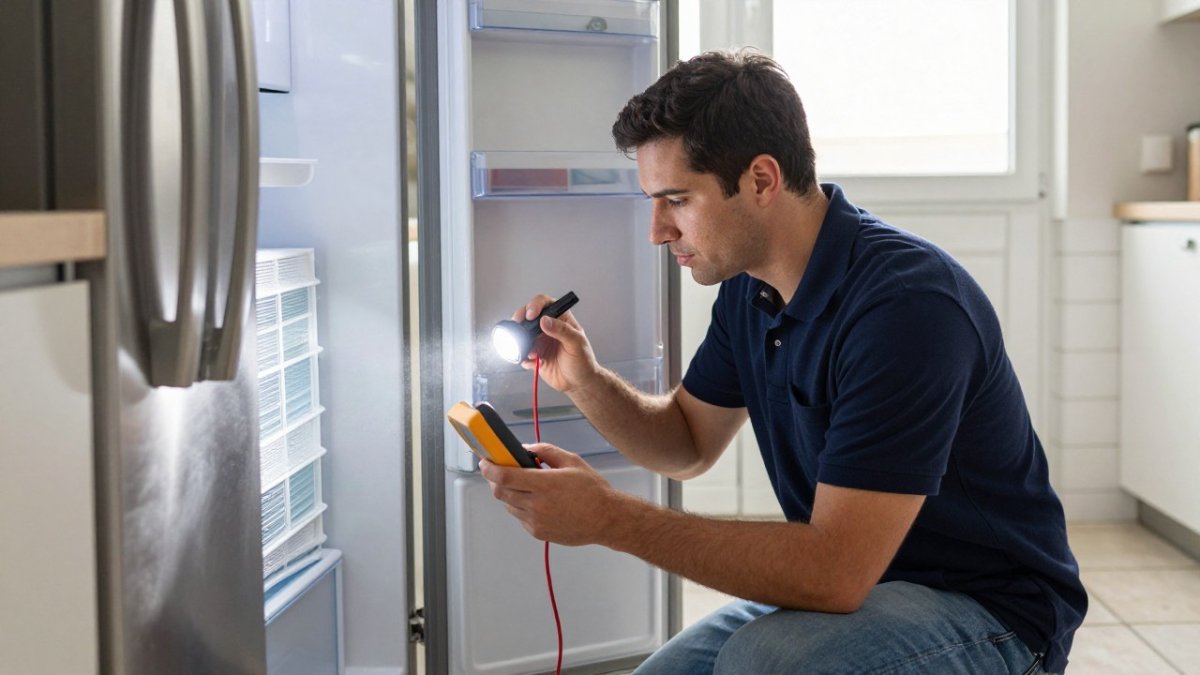
If you're asking why your refrigerator runs constantly, you're not alone. Understanding whether your fridge is behaving normally or signaling a problem is the first step toward fixing it. At Home Tech, we've spent over a decade diagnosing refrigeration issues for Phoenix-area homeowners and commercial food service operators. The reality is that modern refrigerators cycle on and off throughout the day to maintain temperature, but there's a significant difference between normal cycling and a compressor that never shuts down.
Understanding Normal Refrigerator Cycling
A typical refrigerator compressor runs in cycles, usually 8 to 10 minutes of operation followed by a rest period. During the cooling cycle, the compressor pressurizes refrigerant, which flows through the evaporator coils inside the fridge, absorbing heat and cooling the interior. Once the thermostat senses the desired temperature has been reached, it signals the compressor to stop. The refrigerant pressure equalizes, and the compressor stays off until the temperature rises again and triggers the next cycle.
The length and frequency of these cycles depend on several factors: how often you open the door, ambient room temperature, the fridge's age and efficiency rating, and how full it is. A refrigerator in a Phoenix kitchen during summer will cycle more frequently than one in a climate-controlled basement.
When Continuous Operation Signals a Problem
When a refrigerator runs constantly without meaningful rest periods, cycling every 2 to 3 minutes or running for 20+ minutes straight, something is wrong. The compressor is working overtime to maintain temperature because the cooling system isn't doing its job efficiently. This continuous operation wastes energy, generates excess heat, stresses the compressor, and signals mechanical or operational failure.
The key distinction: normal cycling is rhythmic and predictable. Constant running is relentless.
Dirty Condenser Coils and Maintenance
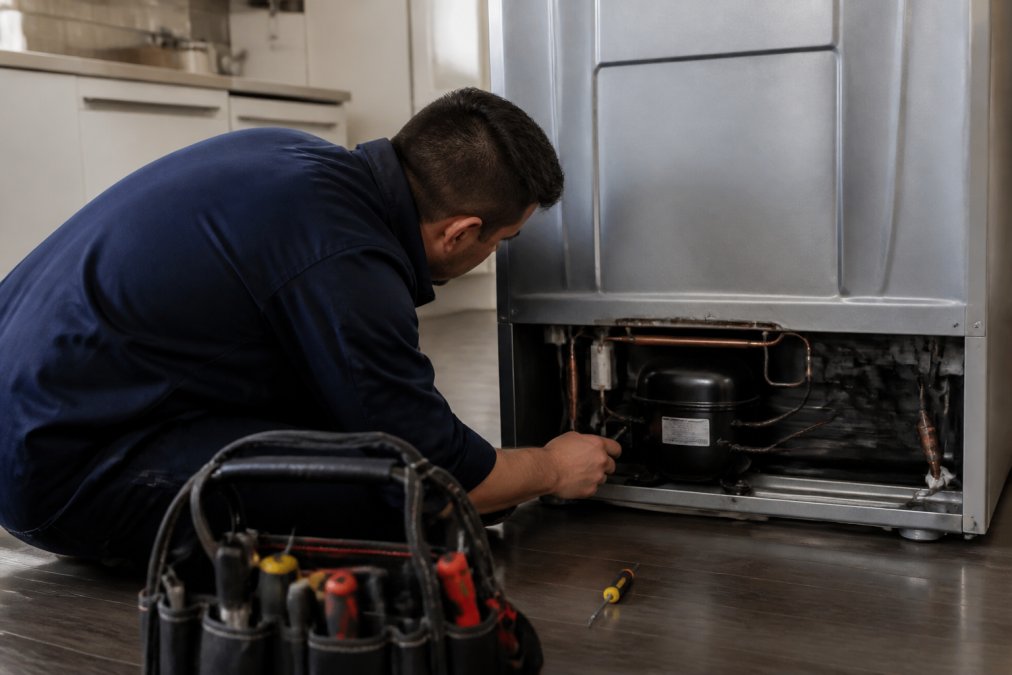
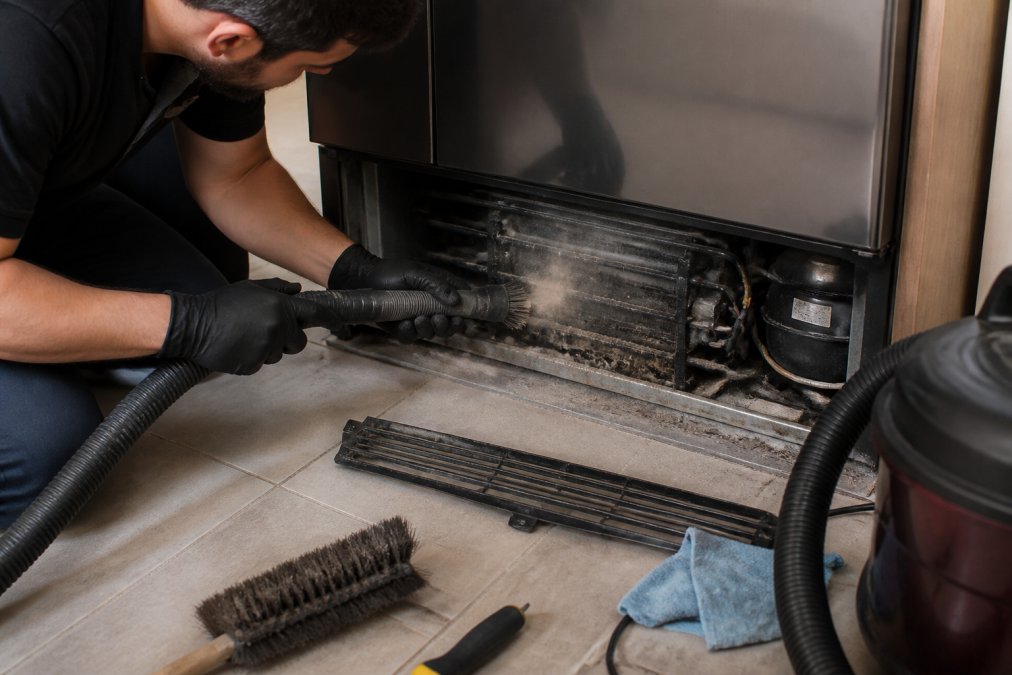
Dirty condenser coils are the single most common cause of refrigerator running constantly, and they're also the easiest to fix. The condenser coils are located either at the back of the fridge (older models) or underneath, behind the kickplate (most modern units). These coils release heat from the refrigerant after it's been compressed, allowing the system to cool the interior.
When dust, pet hair, and debris accumulate on these coils, airflow is blocked. The refrigerant can't release its heat efficiently, pressure builds up, and the compressor works harder and longer to achieve the same cooling effect.
Why Condenser Coils Matter
The condenser coil is part of the sealed refrigeration system. If the coils are clogged, the entire system backs up. The compressor senses that the interior isn't cooling properly and keeps running, trying to push more refrigerant through a system that can't release the heat. According to manufacturer data, a fridge with clogged condenser coils can consume 20 to 30 percent more energy than one with clean coils.
How to Clean Refrigerator Condenser Coils
Cleaning condenser coils is a straightforward DIY task that takes 15 to 20 minutes.
-
Unplug the refrigerator. Always disconnect power before working on any appliance.
-
Locate the condenser coils. Check the back of the unit first. If you don't see coils, they're underneath. Remove the kickplate at the bottom front by unclipping or unscrewing it (usually 2 to 4 screws).
-
Brush the coils. Use a refrigerator coil brush to loosen dust and debris. Brush in the direction of the fins to avoid bending the delicate aluminum.
-
Vacuum thoroughly. Use a shop vac or household vacuum with a brush attachment to remove all loosened debris.
-
Replace the kickplate. Secure it back in place and plug the refrigerator back in.
If you've cleaned the coils and the fridge still runs constantly, the problem lies elsewhere. Home Tech's EPA 608-certified technicians can identify whether the issue is a failing compressor, refrigerant leak, or defrost system failure.
Worn or Damaged Door Gaskets and Seal Integrity
A worn door gasket (the rubber seal around the door frame) allows cold air to escape. Your refrigerator's thermostat senses the temperature rising and signals the compressor to run longer and more frequently to compensate. Over time, gaskets become brittle, crack, or lose their seal, especially in Arizona's dry climate.
Testing Your Door Seal
Close the refrigerator door on a dollar bill so half is inside and half is outside. Try to pull the bill out. If it slides out easily, the seal is compromised. If it resists, the gasket is still working. Also look for visible gaps or cracks in the gasket and feel around the perimeter for cold air leaking out.
Refrigerator Door Seal Replacement Guide
Replacing a door gasket takes 30 to 45 minutes.
-
Order the correct gasket. Find your refrigerator's model number (usually on a sticker inside the fridge or on the back) and order the exact replacement.
-
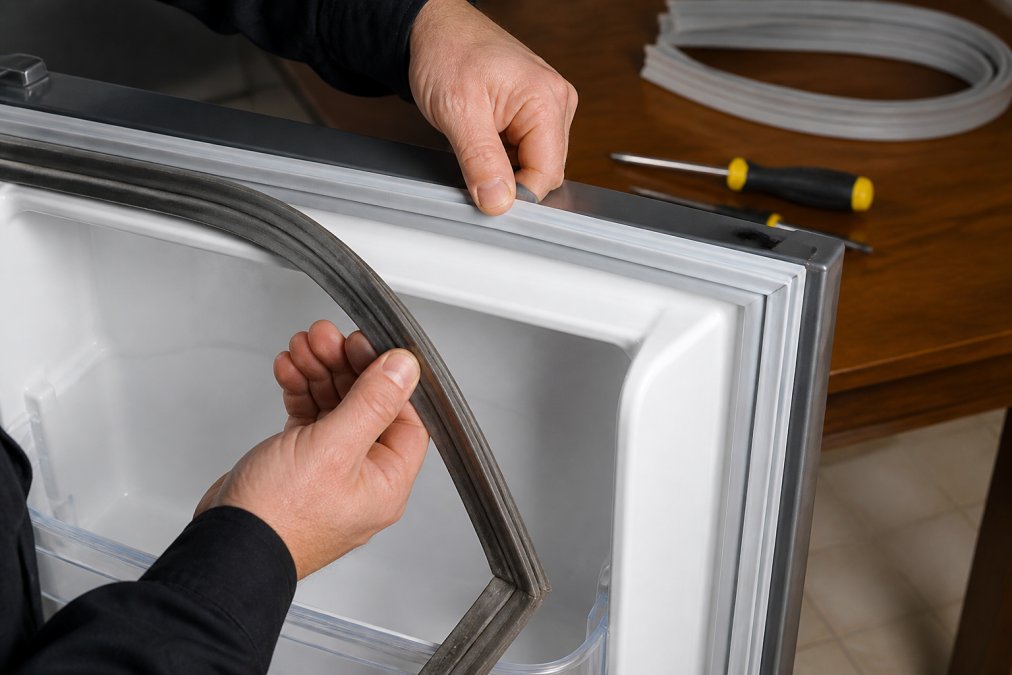
Remove the old gasket. Most gaskets slide out of a channel or groove. Start at a corner and gently pull.
-
Clean the channel. Wipe away dust and debris from the groove where the new gasket will sit.
-
Install the new gasket. Align the new gasket with the channel and press it in firmly, working your way around the door. Start at the top and work down each side, then the bottom.
-
Test the seal. Close the door and repeat the dollar bill test. The gasket should grip the bill firmly.
If you're uncomfortable with this repair, Home Tech technicians can replace a gasket in under an hour.
Improper Temperature Settings and Thermostat Issues
A thermostat set too cold forces the compressor to run longer than necessary. Standard refrigerator temperature is 35 to 38 degrees Fahrenheit. Freezer temperature should be 0 degrees or below. If your fridge is set to maximum cold, the compressor will cycle more frequently. Adjusting the thermostat dial or digital control to the recommended range often solves constant running.
However, if the thermostat itself is faulty and not signaling the compressor to stop when the target is reached, the compressor will run indefinitely. A failed thermostat cannot be repaired; it must be replaced. This requires EPA 608 certification, making it a job for a licensed technician.
If the fridge runs constantly even after adjusting the temperature to normal settings, the thermostat may be the culprit, especially if the fridge is 10+ years old.
Blocked Airflow and Ventilation Problems
Refrigerators need proper airflow to function. If the vents inside the fridge (usually at the back or top) are blocked by food, ice buildup, or items pushed too far back, cold air can't circulate properly. Check that nothing is blocking the interior vents and move items away from the back wall.
If you have a freezer-on-top model, ensure the damper (a small door that controls airflow between freezer and fridge) is open and functioning. Exterior ventilation matters too. Some refrigerators require clearance around the unit for proper heat dissipation. If your fridge is wedged tightly into a cabinet or against a wall, move the unit out slightly and ensure at least 2 to 3 inches of clearance on the sides and back.
Average Refrigerator Run Time Per Day and Energy Impact
What Continuous Running Costs You
A typical refrigerator runs 8 to 10 hours per day under normal conditions. If your fridge is running 16 to 20 hours daily or continuously without meaningful breaks, it's consuming roughly double the energy it should.
The energy cost varies by your local electricity rate and the fridge's age. Continuous running also accelerates wear on the compressor. A compressor is designed to cycle on and off. When it runs constantly, the motor overheats, the bearings wear faster, and the risk of failure increases dramatically. A compressor replacement typically costs $400 to $800 in parts and labor.
Frost Buildup, Defrost System Failure, and Compressor Strain
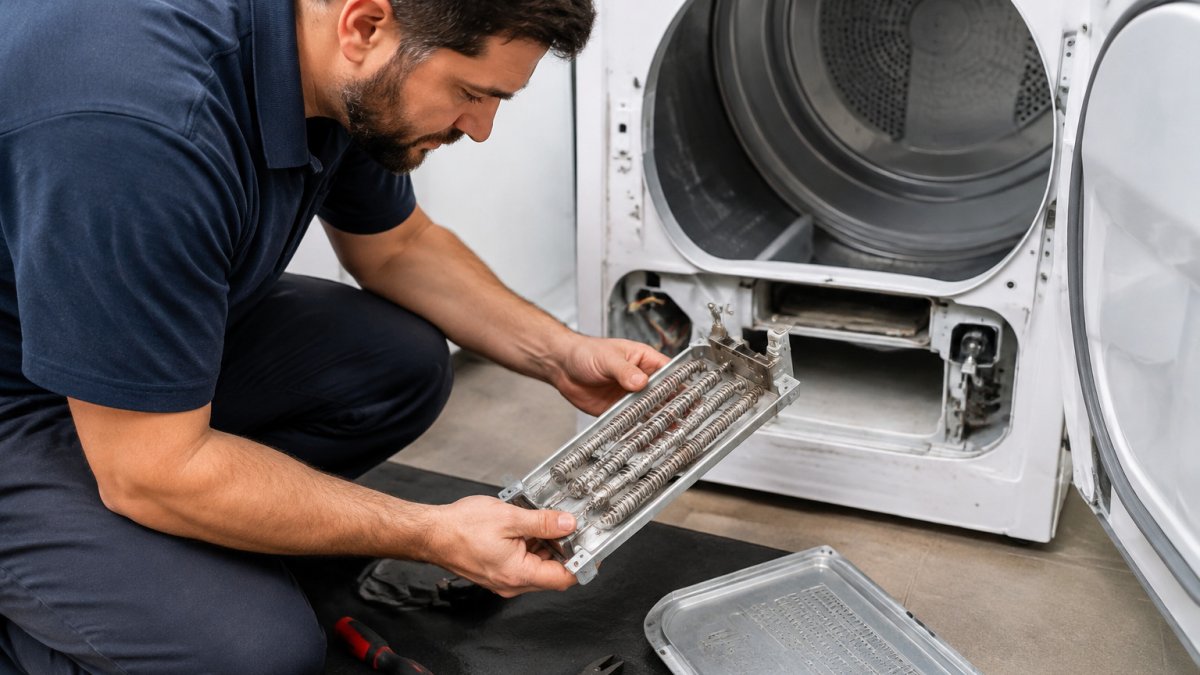
Modern frost-free refrigerators have a defrost cycle that melts ice buildup on the evaporator coils automatically. The defrost system includes a timer, a heating element, and a drain that directs meltwater away from the coils and out of the fridge.
When the defrost system fails, ice accumulates on the evaporator coils. This blocks airflow and reduces cooling efficiency dramatically. The compressor responds by running longer and harder, trying to push cold air through a blockage.
How Defrost Cycles Work
The defrost timer (usually located behind the kickplate or wall panel) triggers a heating element every 6 to 12 hours of compressor runtime. The heating element warms the evaporator coils, melting the frost. The defrost drain, a small tube at the bottom of the fridge, carries the meltwater down and out through a drain pan beneath the unit, where it evaporates.
If any part fails, if the timer doesn't trigger, the heating element doesn't heat, or the drain clogs, frost builds up rapidly.
Signs Your Defrost System Is Failing
Visible frost or ice buildup on the back wall of your fridge is the clearest sign. In a working frost-free fridge, you should see little to no frost. Another sign is water pooling at the bottom of the fridge or leaking onto your kitchen floor, indicating the defrost drain is clogged. The drain can be cleared by flushing it with warm water, but if it clogs repeatedly, the underlying cause needs professional attention.
If you notice frost buildup and constant compressor running together, the defrost system is almost certainly the problem. This requires professional diagnosis and repair.
Warm Room Ambient Temperature and Seasonal Factors
Phoenix's climate is brutal for refrigerators. During summer, when ambient temperature climbs above 95 degrees Fahrenheit, your fridge works significantly harder. The compressor cycles more frequently and runs longer because the temperature difference between the interior and the room is larger. This is normal seasonal variation.
Check the room temperature around your refrigerator. Ideally, it should be between 60 and 75 degrees Fahrenheit. If your kitchen is warmer, consider moving the fridge away from heat sources, ensuring adequate ventilation around the unit, or adjusting your home's cooling.
Frequently Asked Questions
How do I know if my refrigerator running constantly is actually a problem?
Modern refrigerators with variable-speed compressors run more frequently than older models, especially in warm climates like Phoenix. However, if your fridge cycles without stopping for 8+ hours, or if you notice frost buildup, warm food, or a dramatic spike in your electric bill, the compressor is working too hard. Check your door seal first by closing a dollar bill in the door and pulling it out. If it slides out easily, warm air is leaking in and forcing constant cycling. This is the most common cause and is fixable.
Can a dirty condenser coil really make my refrigerator run all the time?
Yes. Condenser coils dissipate heat from the refrigerant. When dust and pet hair block them, the compressor cannot cool the refrigerant efficiently, so it keeps running to try to reach the target temperature. Inspect the coils at the base or back of your fridge. If they're visibly caked with dust, cleaning them often solves the problem. Use a coil brush and vacuum. This is a safe DIY task that takes 15-20 minutes and costs nothing.
What's the difference between average refrigerator run time per day and my fridge running constantly?
A typical refrigerator should cycle on and off throughout the day, running roughly 30-40% of the time depending on ambient temperature, door openings, and load. In Phoenix's heat, 50% run time is normal. Constant running means the compressor never shuts off. This burns energy and shortens compressor life. If your fridge is running more than 70% of the time consistently, something is restricting heat dissipation or airflow.
Do I need to replace my refrigerator door seal myself, or should I call a technician?
Door seal replacement is a straightforward DIY job for most refrigerator models. The gasket clips into a groove around the door frame. Order the correct part number for your model, remove the old gasket by pulling it out of the groove, and snap the new one in place. Takes 10 minutes. However, if the door frame is damaged or warped, or if replacement doesn't fix the problem, call a professional. Phoenix heat can warp frames over time, requiring professional assessment.