 how-to
How to Troubleshoot HVAC System Noises
Table of Contents
- Common HVAC Noises and What They Mean
- HVAC Rattling Noise Causes and Fixes
- Step-by-Step Troubleshooting for HVAC Noises
- Signs Your AC Needs Refrigerant
- HVAC Maintenance Checklist for Homeowners
- When to Call a Professional HVAC Technician
- Conclusion
- Frequently Asked Questions
Last Updated: August 24, 2026
Common HVAC Noises and What They Mean
Your air conditioning system makes noise. Most of the time, that's completely normal. But sometimes, a sound signals something's wrong before a breakdown costs you serious money. Learning which noises demand immediate attention and which ones you can safely ignore is key.
Hissing and Whistling Sounds
Hissing typically means refrigerant is leaking from your system. Refrigerant escaping through a crack or loose fitting creates a distinctive, continuous hiss near the outdoor condenser unit or along refrigerant lines. This is serious, low refrigerant means your system can't cool properly, and continuing to run it can damage the compressor.
Whistling usually comes from air moving through a restricted space. Check your air filter first. A clogged filter forces air through a smaller opening, creating that high-pitched whistle (the EPA). If the filter is clean, the whistling could be coming from your ductwork, where dampers sometimes get partially closed, restricting airflow.
Rattling, Clanking, and Grinding Noises
Rattling sounds come from loose parts vibrating inside the system. The most common culprit is a loose access panel on your outdoor condenser unit. A quick inspection usually identifies the problem.
Clanking is louder and more serious, often signaling a loose or damaged component inside the compressor or a bent fan blade striking the housing. This requires professional diagnosis because internal damage can spread if you keep running the system.
Grinding is the worst of the three. A grinding noise usually means bearing failure inside the blower motor or compressor (peer-reviewed research). Once bearings start failing, the damage accelerates quickly. Stop running the system and call a technician.
Buzzing and Humming
A steady hum is normal, every HVAC system hums when the blower motor and compressor run. Buzzing is different. An electrical buzz often means a loose wire or a failing capacitor, which helps start the compressor and fan motor. A buzzing sound from the outdoor unit usually indicates an electrical issue needing professional attention.
Sometimes buzzing comes from vibration. A refrigerant line vibrating against a metal surface or loose ductwork can buzz. Walk around your system while it's running and listen carefully to pinpoint the source.
Screeching and High-Pitched Sounds
Screeching is almost always a bearing problem in the blower motor. When bearings wear out, friction increases and creates a screeching sound that usually gets worse over time.
A high-pitched squeal might come from the blower wheel rubbing against the housing. Dust or debris can shift components slightly, causing contact where there shouldn't be any. A professional can often identify and fix this without replacing major parts.
HVAC Rattling Noise Causes and Fixes
Rattling is one of the most common complaints and often one of the easiest to fix.
Loose Access Panels and Ductwork
Your outdoor condenser unit has access panels held in place by bolts or clips. Over time, vibration loosens those fasteners, and the panel vibrates against the frame, creating a rattle. Check the panels while the unit runs and listen for where the rattle is loudest. You can often tighten loose bolts with a wrench.
Ductwork inside your home can also rattle. Supply and return vents run through walls and attics, and vibration from the blower motor travels through the ducts. If ducts aren't properly supported or have shifted, they'll rattle against framing. Listen inside your home to pinpoint the problem area, then a professional can add support brackets to stop the vibration.
Unbalanced Fan Blades
The fan blades in your outdoor condenser unit and indoor air handler spin thousands of times per season. Any imbalance creates vibration and noise. Debris hitting the blades during operation can bend them slightly, throwing off the balance.
Inspect the outdoor condenser unit by looking through the protective grating at the fan blades. Clear away leaves, twigs, or other debris you can reach safely. If the blades look bent or if clearing debris doesn't help, the fan needs professional rebalancing or replacement.
Step-by-Step Troubleshooting for HVAC Noises
Troubleshooting requires a systematic approach to gather information that helps a technician diagnose the problem faster, which saves you money.
Step 1: Listen and Locate the Sound
Identify exactly where the noise is coming from. Is it the outdoor condenser unit or the indoor air handler? Is it coming from the ductwork or a vent inside your home?
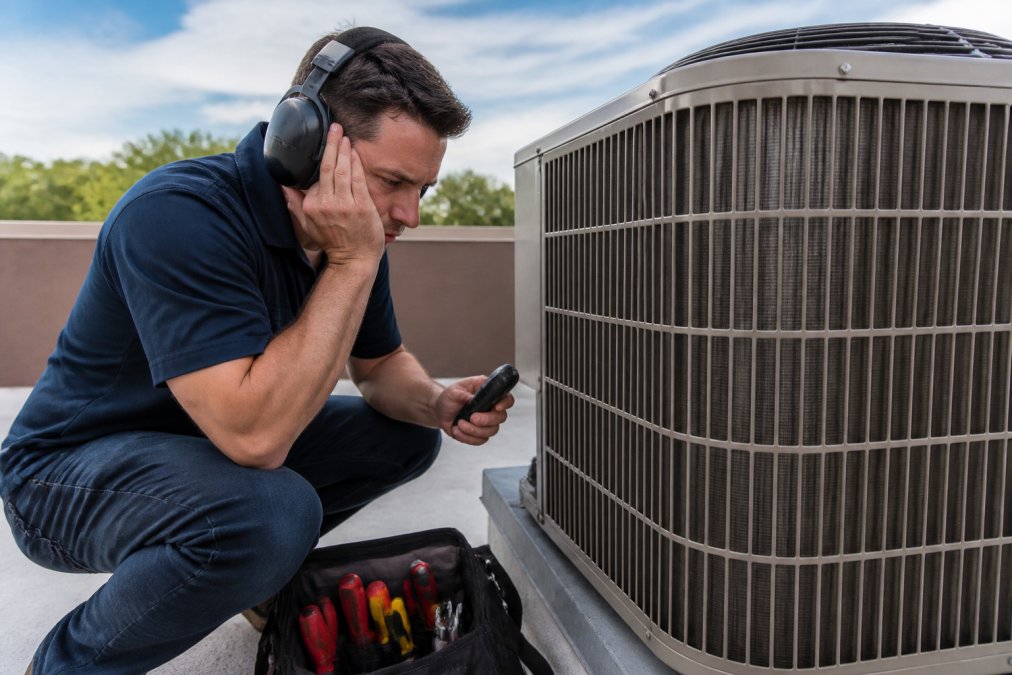
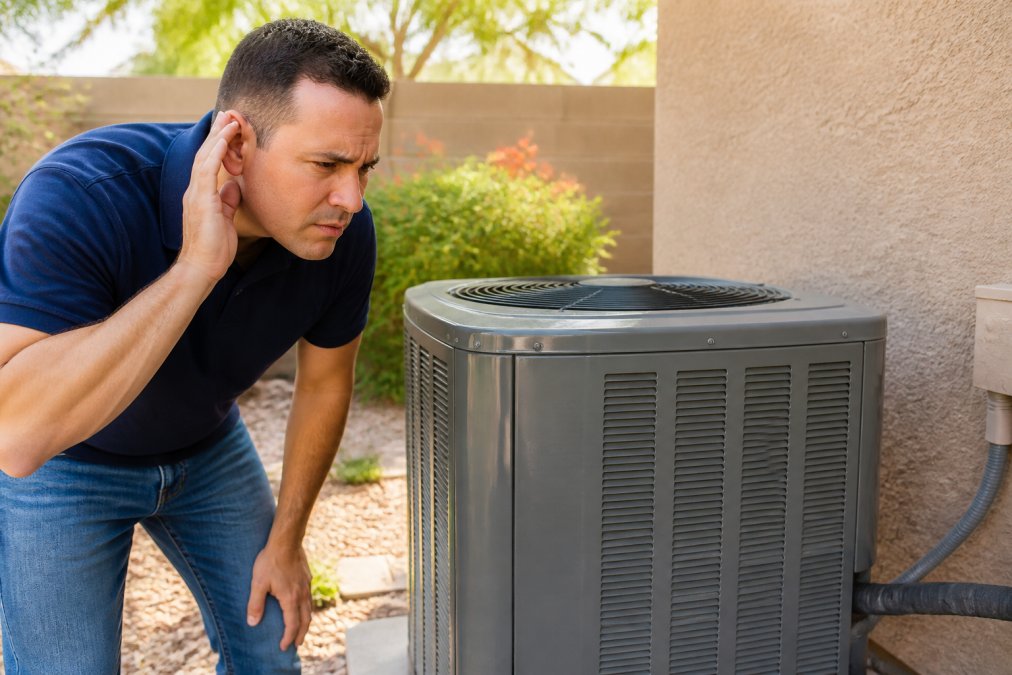
Turn on your system and listen carefully. Walk around the outdoor unit and move through your home listening near each vent. Use your phone to record the sound, this recording helps a technician identify the problem before arriving. Note when the noise happens and whether it occurs in cooling mode, heating mode, or both.
Step 2: Check Your Air Filter
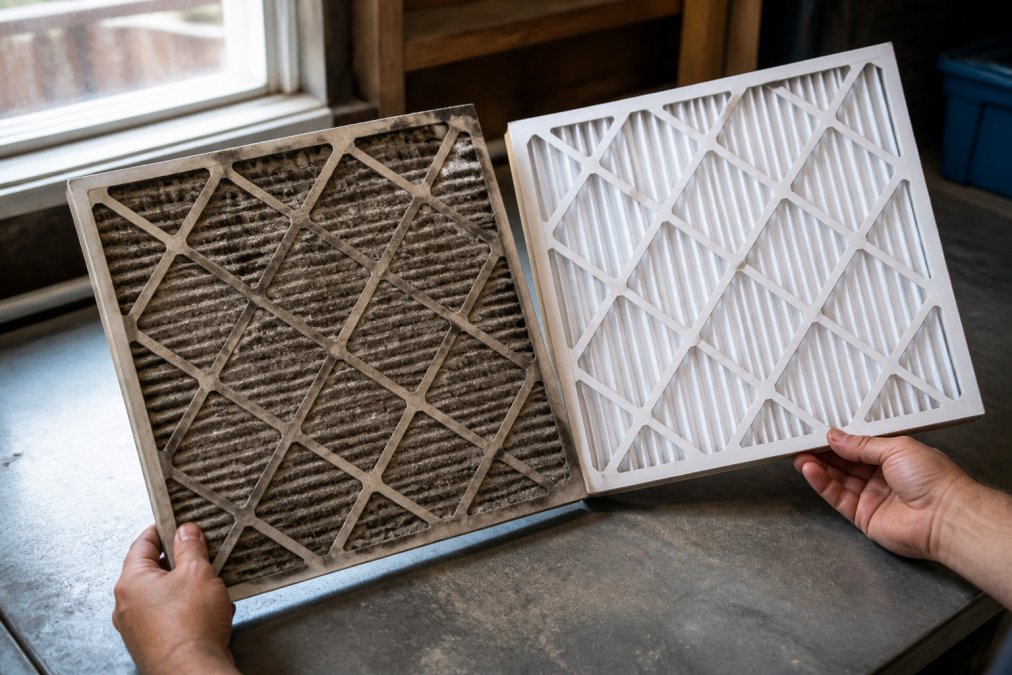
A clogged air filter causes whistling and reduced airflow. Checking the filter takes five minutes and often solves the issue.
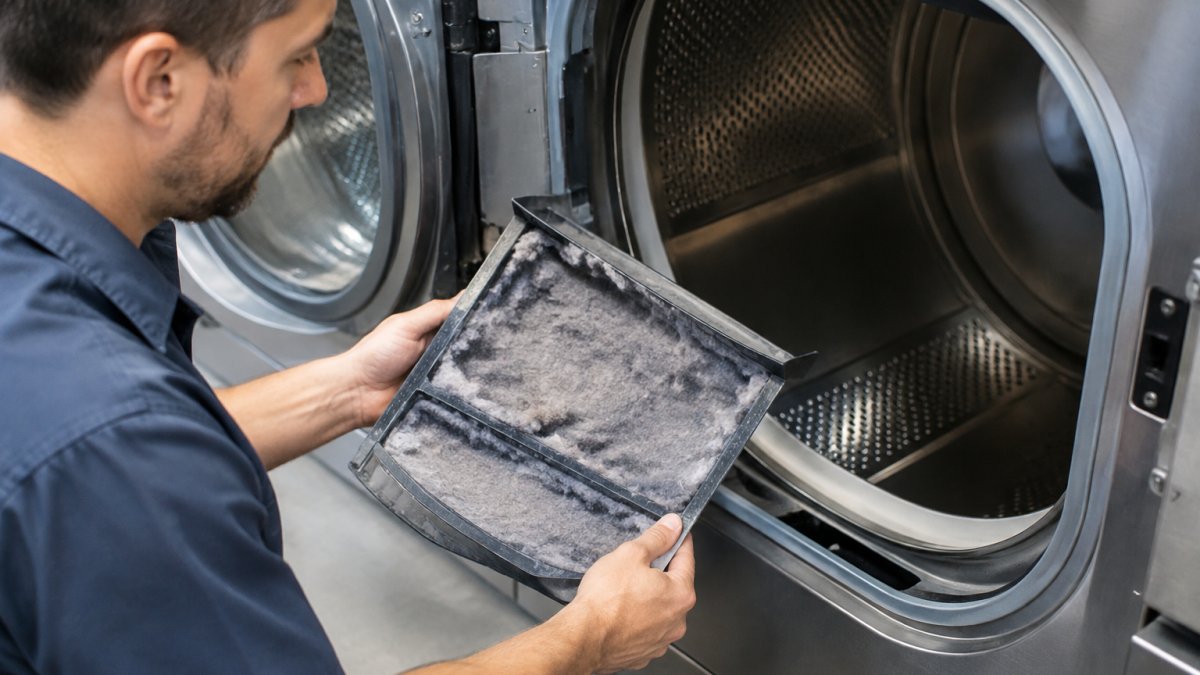
Locate your air filter near the indoor air handler or in a central return vent. Slide it out and hold it up to light. If you can't see light through it, it's clogged. Replace it with a new one rated for your system, checking the size printed on the old filter frame. Most common sizes are 16x25x1, 16x25x4, or 20x25x1. Install the new filter with the arrow pointing toward the system.
Step 3: Inspect Visible Components
Check the outdoor condenser unit for loose panels, debris on the fan blades, and anything blocking airflow. Look at visible ductwork for gaps where sections connect and any obvious damage. Listen near each vent to pinpoint which part of the system is making noise.
Check the thermostat to make sure it's set correctly and the fan is set to "auto" rather than "on." Document what you've checked so you can tell a technician what you've already ruled out.
Step 4: Test Thermostat Settings
Check that your thermostat is set to the correct mode. In summer, use "cool." In winter, use "heat." Check the fan setting, "auto" means the fan runs only when the system is actively cooling or heating, while "on" means continuous operation, which is noisier and uses more energy.
Try adjusting the temperature a few degrees. Sometimes a system makes more noise when working harder to reach the set temperature.
Signs Your AC Needs Refrigerant
Your air conditioning system needs refrigerant to cool your home. Unlike oil in a car engine, refrigerant doesn't get used up. A properly sealed system maintains its charge for years. If your system is low on refrigerant, it means there's a leak somewhere.
A hissing sound near the outdoor unit or along refrigerant lines is the most obvious sign. You might also notice your system runs longer than usual but doesn't cool as well. Ice forming on the refrigerant lines or outdoor unit indicates low refrigerant causing the evaporator coil to get too cold.
Don't wait if you suspect a refrigerant leak. Running your system with low refrigerant can damage the compressor, the most expensive component to replace (energy.gov). Home Tech's EPA 608-certified technicians can identify leaks, repair them, and recharge your system with the correct refrigerant type for your unit. Whether your system uses R410A, R404a, or another type, proper diagnosis and repair prevents expensive compressor failure.
HVAC Maintenance Checklist for Homeowners
Regular maintenance prevents most HVAC problems. You don't need to be a technician to perform basic maintenance tasks.
Monthly tasks during cooling and heating seasons:
- Check and replace your air filter if needed (every 30 days for 1-inch filters, every 90 days for 4-inch filters)
- Make sure outdoor unit vents aren't blocked by plants or debris
- Listen for unusual noises when the system runs
Seasonal tasks (spring before cooling season, fall before heating season):
- Clear leaves and debris from around the outdoor condenser unit
- Check that all access panels on the outdoor unit are secure and bolted down
- Inspect visible ductwork for gaps or damage
- Test your thermostat to make sure it's responding correctly
Annual professional maintenance:
- Schedule a professional inspection before your peak season
- Have a technician check refrigerant levels
- Have electrical connections and capacitors inspected
- Have the blower motor and fan blades inspected for wear
Regular maintenance catches small problems before they become expensive repairs. A clogged filter is a five-dollar fix. A damaged compressor costs thousands.
| Maintenance Task | Frequency | Why It Matters |
|---|---|---|
| Replace air filter | Every 30-90 days | Prevents whistling, maintains airflow and efficiency |
| Clear outdoor unit debris | Monthly during use | Prevents fan blade damage and overheating |
| Inspect ductwork | Seasonally | Stops rattling and reduces energy waste |
| Professional inspection | Annually | Catches refrigerant leaks and electrical issues early |
When to Call a Professional HVAC Technician
Some problems you can't fix yourself. Call a technician immediately if you hear grinding, screeching, or loud clanking, these indicate mechanical failure inside major components.
Call a technician if you suspect a refrigerant leak. A persistent hiss, ice on refrigerant lines, or reduced cooling performance all point to a leak requiring pressure testing, repair, and recharge.
Call a technician if you notice electrical buzzing from the outdoor unit or if your system won't start. Call if your system cycles on and off frequently or runs constantly without reaching the set temperature.
Home Tech responds to HVAC emergencies with same-day service. Our EPA 608-certified technicians perform full system diagnostics for Goodman, York, Carrier, and Amana units. We handle condenser service, refrigerant recharge, and repair for all refrigerant types. Call (602) 486-1901 to book an appointment or visit hometechappliancerepair.com for immediate scheduling.
A professional inspection can cost less than the damage that happens when you ignore warning signs.
Conclusion
HVAC noises range from normal operational sounds to serious warnings. Hissing means refrigerant is leaking. Grinding means a bearing is failing. Rattling usually means a loose panel or unbalanced fan. Buzzing often signals an electrical issue. Learning to distinguish between these sounds puts you in control of your system's health.
Start by checking simple things: air filter, loose panels, debris. Listen carefully and note when the noise happens. Record the sound on your phone. This information helps a technician diagnose the problem faster and more accurately, which saves you money.
Frequently Asked Questions
Q: What does a bad HVAC compressor sound like?
A: A failing compressor typically produces loud grinding, screeching, or metal-on-metal clanking sounds that worsen over time. You may also hear buzzing or humming that's louder than normal operation. If your compressor is making these noises, this requires immediate professional inspection, running a failing compressor can cause complete system breakdown and costly replacement.
Q: Can a dirty air filter cause HVAC noise?
A: Yes. A clogged air filter restricts airflow, forcing your blower motor to work harder and creating whistling or humming sounds. The motor may also vibrate excessively, causing buzzing in the air handler. Replace your air filter every 1-3 months depending on household dust and pet dander. A clean filter reduces strain on your system and eliminates this common noise source.
Q: What are some normal sounds that an HVAC system makes?
A: Normal HVAC operation includes a soft whooshing sound from air moving through ductwork and vents, a gentle hum from the blower motor, and clicking when the thermostat cycles the system on or off. You may also hear a brief refrigerant hiss when the compressor starts. These sounds are quiet and consistent. If you hear loud grinding, screeching, rattling, or banging, your system needs attention.
Q: Why is my HVAC making noise even when it's off?
A: Noises when the system is off usually come from thermal expansion and contraction of metal ductwork and components as temperatures change. This creates popping or creaking sounds, which are generally harmless. However, if you hear hissing, buzzing, or grinding when the system is off, there may be a refrigerant leak, electrical issue, or motor bearing problem. Have a technician inspect your system if the noise is loud or persistent.
Don't let HVAC problems turn into emergencies. When you hear something wrong, Home Tech's team provides same-day diagnostic service across the Phoenix metro area. Our technicians identify the exact cause of the noise, explain repair options, and handle everything from refrigerant recharge to compressor replacement. Call (602) 486-1901 or visit hometechappliancerepair.com to schedule your appointment today.