 how-to
Why Does My Gas Water Heater Pilot Light Keep Going Out?
Table of Contents
- Why Your Gas Water Heater Pilot Light Keeps Going Out
- Signs of a Bad Thermocouple
- Other Common Causes Beyond the Thermocouple
- How to Replace a Thermocouple Yourself
- When to Call a Professional Plumber
- Preventive Maintenance to Keep the Pilot Lit
- Frequently Asked Questions
Last Updated: September 7, 2026
Why Your Gas Water Heater Pilot Light Keeps Going Out
A gas water heater pilot light that keeps going out is almost always the symptom of one of four failures: a faulty thermocouple, a clogged pilot orifice, a draft issue, or a failing gas control valve. Knowing which one you face determines whether this is a simple DIY fix or a job for a licensed technician. In this guide, we walk through each cause in order of likelihood, show you how to test components safely, and give a clear threshold for when to stop troubleshooting and call for professional repair.
The most common culprit, by a wide margin, is the thermocouple (energy.gov). This copper safety device sits in the pilot flame and generates a small electrical voltage to keep the gas valve open. When it malfunctions, the valve closes and kills the pilot, even though the flame looks healthy.
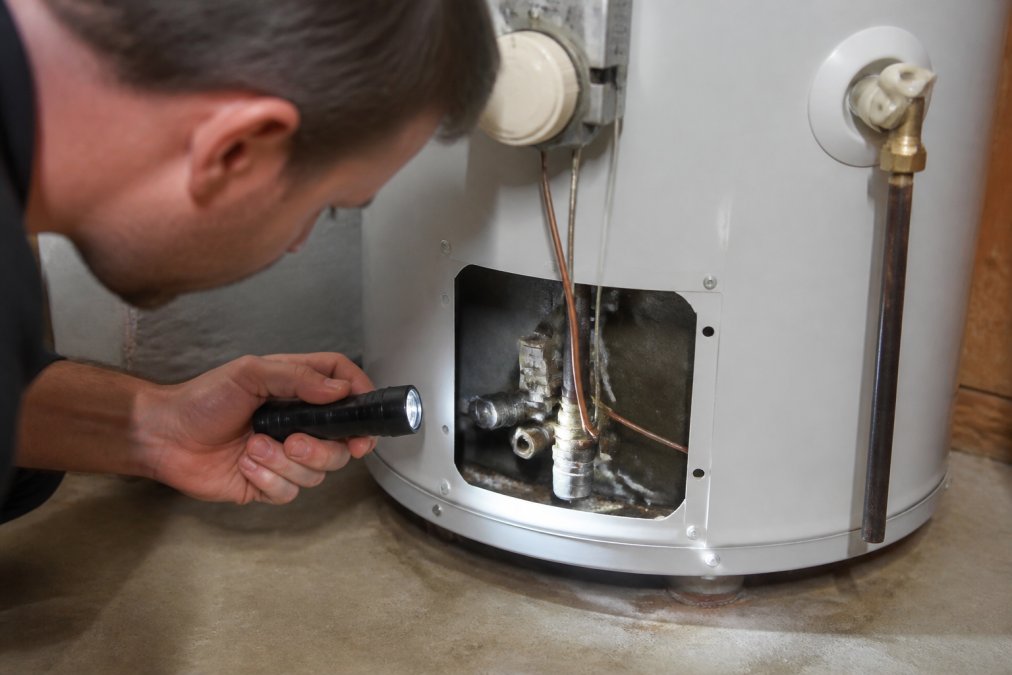
Signs of a Bad Thermocouple
A bad thermocouple produces a very predictable set of symptoms. The pilot lights easily, but it goes out as soon as you release the gas control knob after holding it for the standard 30 to 60 seconds. Another common sign is that the pilot stays lit for a few minutes or hours, then extinguishes without warning, only to relight without issue after you reset it.
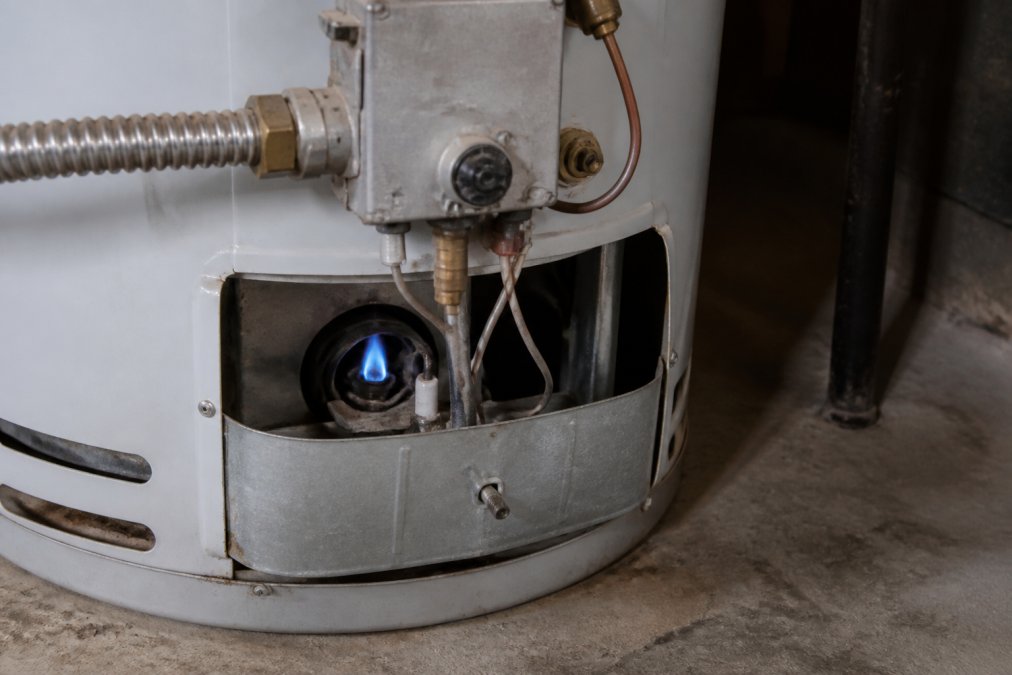
The thermocouple is a copper rod positioned directly in the pilot flame. It generates a millivolt signal when heated, telling the gas control valve to stay open. Over time, the rod develops a worn tip or weak internal connection and stops producing enough voltage to hold the valve open. The pattern of the flame dying shortly after ignition is the telltale sign of thermocouple failure.
Other Common Causes Beyond the Thermocouple
If you have replaced the thermocouple and the pilot still goes out, the problem lies elsewhere in the ignition system. Three other failures produce nearly identical symptoms. Before disassembling components, check the control valve for a blinking LED light. Many units manufactured after 2015 flash a diagnostic code: one pulse per second often indicates a thermocouple failure, while three flashes may point to a blocked vent or airflow problem (homedepot.com). Consult your owner's manual or the label on the tank to decode the pattern for your brand, Rheem, A.O. Smith, and Bradford White all use slightly different sequences. This step can save you from replacing a part that isn't actually broken.
Clogged Pilot Orifice or Tube
A clogged pilot orifice produces a weak, orange-tipped flame that struggles to stay lit. The orifice is a tiny opening that meters gas flow to the pilot burner, and over time it can accumulate dust, lint, or sediment. When the opening narrows, the flame shrinks and may not reach the thermocouple tip with enough heat to keep the valve open. In high-humidity environments, the pilot assembly can also develop corrosion or mineral residue that accelerates clogging.
Cleaning this requires removing the pilot assembly and using compressed air or a needle to clear the orifice. This is a delicate job, and forcing the wrong tool through the opening can damage it permanently. If the flame is small and yellow instead of a crisp blue cone, a clogged orifice is the likely cause. A more precise test is to measure the flame's height against the thermocouple tip: a healthy pilot flame should be about 1/2 inch tall and envelop the top 3/8 inch of the thermocouple. If the flame is shorter than that, the orifice is likely restricted.
Drafts and Airflow Problems
A pilot flame that flickers or blows out entirely points to an airflow issue. Gas water heaters rely on proper ventilation and a draft diverter to exhaust combustion gases. A nearby door, window, or exhaust fan can create a negative pressure zone that pulls air down through the vent and extinguishes the pilot flame. This is common in tightly sealed modern homes where exhaust fans compete with the water heater for combustion air. Turn off all exhaust fans and close nearby doors, then relight the pilot. If it stays lit for several hours, airflow is the culprit.
Check the area around the water heater for sources of drafts, including open windows, ceiling fans, and kitchen or bathroom exhaust vents that run near the unit. Also inspect the draft diverter to confirm it is seated correctly and free of debris. A steady, undisturbed flame that only dies when a specific appliance runs is a strong indicator of this environmental cause. In some cases, installing a vent cap or adjusting the position of a nearby door can resolve the issue permanently.
Faulty Gas Control Valve
The gas control valve is the brain of the water heater. It regulates gas flow to both the pilot and main burner and houses the safety switch that responds to the thermocouple signal. When it fails internally, it can shut off the pilot randomly, ignore the thermocouple signal, or fail to reopen after a normal shutdown. A failing gas control valve is not repairable and must be replaced, not a DIY job for most homeowners, as it involves the gas supply line and requires pressure testing afterward. If you have ruled out the thermocouple, cleaned the orifice, and eliminated drafts, the control valve is the remaining suspect.
Consider the age of the unit. Most residential gas water heaters have a service life of 10 to 12 years (hud.gov). If your tank is approaching or past that threshold and you are experiencing repeated pilot failures, the cost of a new gas control valve, typically $150 to $300 for the part alone, may not be worth investing in an aging tank. A full replacement unit starts around $800 installed. Check the manufacturer's date on the rating plate near the gas valve; the first two digits of the serial number often indicate the year of manufacture.
How to Replace a Thermocouple Yourself
Replacing a thermocouple is a straightforward repair that most homeowners can complete in under an hour with basic hand tools. The thermocouple is a universal part, and the replacement costs a fraction of what a service call runs. Before you start, turn the gas control valve to the "off" position and wait five minutes to clear any residual gas from the line.
- Remove the outer access panel and the insulation behind it to expose the burner and pilot assembly.
- Locate the thermocouple, which is the copper tube running from the pilot assembly to the gas control valve.
- Disconnect the thermocouple from the gas valve using an open-end wrench. It typically uses a 3/8-inch or 7/16-inch fitting.
- Unscrew the thermocouple from the pilot assembly bracket, which usually uses a small retaining clip or a 1/4-inch nut.
- Install the new thermocouple in reverse order, making sure the tip sits fully inside the pilot flame path.
- Reconnect the fitting to the gas valve, hand-tighten it, then give it a quarter turn with the wrench. Do not overtighten.
- Turn the gas back on and relight the pilot following the instructions on the water heater's label.
The entire process takes about 30 to 45 minutes. After relighting, hold the gas control knob in the "pilot" position for a full 60 seconds before releasing it to give the new thermocouple time to generate enough voltage to hold the valve open.
When to Call a Professional Plumber
The safety threshold for DIY work comes down to one question: are you working on the gas supply line or the gas control valve itself? Replacing a thermocouple or cleaning a pilot orifice is within reach of a careful homeowner. Anything involving the gas valve, gas supply piping, or venting system should be handled by a licensed professional. Here is a clear framework to help you decide when to stop and call for help.
Call a professional immediately if you smell gas at any point. The odor of natural gas, often described as rotten eggs or sulfur, indicates a leak in the supply line, the valve, or a connection fitting. Do not attempt to locate the leak yourself. Turn off the gas supply at the shutoff valve, open a window if the area is enclosed, leave the room, and call a licensed plumber or your gas utility company from outside. Do not operate any electrical switches, including lights, and do not relight the pilot until a professional has confirmed the system is safe.
Call a professional if the pilot will not stay lit after you have replaced the thermocouple. A new thermocouple is the most common fix, and if it does not solve the problem, the issue is likely the gas control valve or a deeper problem in the gas supply line. Both require specialized tools and pressure testing that most homeowners do not own. Attempting to disassemble the gas valve without proper training can introduce a leak or damage the valve seat.
Call a professional if your unit is older than 10 years and shows signs of corrosion or sediment buildup. Visible rust on the tank exterior, water pooling around the base, or a rumbling noise during heating cycles all indicate internal deterioration. Repeated pilot failures are often a symptom of a failing tank, not an isolated ignition problem. A licensed technician can perform a combustion analysis to check for carbon monoxide spillage. The cost of a diagnostic visit is a small price to pay for confirming your home is not at risk.
Call a professional if you are unsure whether the issue involves a gas leak. A pilot that goes out and then relights after several attempts may have allowed gas to accumulate in the combustion chamber. A faint gas smell that disappears after the pilot lights, or a flame that burns yellow instead of blue, are signs of incomplete combustion that warrant professional attention.
For homeowners in the Phoenix metro area, Home Tech's licensed technicians handle gas control valve replacement, tank and tankless water heater repair, and full system diagnostics. Our team carries EPA 608 certification and services all major water heater brands, with same-day appointments available across Chandler, Gilbert, Tempe, Scottsdale, and the surrounding areas.
Preventive Maintenance to Keep the Pilot Lit
Most pilot light failures trace back to a lack of routine maintenance. Sediment buildup in the tank, dust on the burner assembly, and corrosion on the thermocouple tip all develop gradually and shorten the life of the ignition system. A simple annual maintenance routine prevents the majority of these failures.
Flush the tank twice a year to remove sediment buildup, which insulates the water from the burner and forces the unit to work harder. Vacuum the burner and pilot assembly annually to remove dust and lint that can clog the pilot orifice. Inspect the thermocouple tip for discoloration or pitting, and replace it at the first sign of wear. Finally, check the area around the water heater for new sources of drafts.
A gas water heater pilot light that keeps going out is rarely a mystery once you understand the components involved. The thermocouple, the pilot orifice, and the gas control valve form a simple chain, and identifying which link has broken tells you whether you are looking at a 30-minute DIY repair or a call to a licensed professional. When in doubt, err on the side of safety and get a professional diagnosis.
A pilot light that repeatedly goes out is your water heater telling you something is wrong, and ignoring it wastes gas and leaves you without hot water at the worst possible time. If you have replaced the thermocouple and the problem persists, or if you suspect a failing gas control valve, the safest move is to have a licensed technician diagnose the unit. Home Tech offers same-day water heater repair across the Phoenix metro area with no hidden fees, and our EPA 608-certified technicians service all major brands. Call (602) 486-1901 or book your appointment online to get your pilot light burning steadily again.
Frequently Asked Questions
Is it dangerous if my water heater pilot light keeps going out?
It can be. While a simple thermocouple failure is common, a persistent issue can point to a gas leak or a faulty gas control valve. If you smell gas near the water heater, turn off the gas supply immediately, open a window, and call a professional plumber. Do not attempt to relight the pilot until a technician has inspected the unit.
Will the pilot stay lit if the thermocouple is bad?
No. The thermocouple is a safety device that senses the pilot flame and keeps the gas valve open. If it is malfunctioning, it fails to generate enough millivolts to signal the valve, which shuts off the gas supply and extinguishes the pilot. This is the most common reason a pilot light will not stay lit.
How do I fix a pilot light that keeps going out?
Start by checking for a bad thermocouple, which you can often replace yourself. If the pilot flame is weak or yellow, clean the pilot orifice. Also, check the area for drafts. If the problem persists after these checks, the gas control valve may be faulty, which requires professional diagnosis and repair for safety.