 ultimate-guide
Appliance Repair Cost Phoenix AZ: 2026 Pricing Guide
Table of Contents
- Understanding Appliance Repair Costs in Phoenix AZ
- Service Call Fees vs. Hourly Labor Rates
- Upfront Pricing and Hidden Charges to Avoid
- Common Appliance Repair Issues and Their Costs
- Factors Influencing Repair Costs in the Phoenix Area
- Repair or Replace an Appliance: Cost Comparison
- Disposal and Recycling Costs for Old Units
- Phoenix Appliance Repair Warranty Coverage Explained
- How to Get Appliance Repair Phoenix Free Estimate
- Choosing a Licensed and Insured Technician
- What to Ask Before Booking Service
- Frequently Asked Questions
Appliance Repair Cost Phoenix AZ: 2026 Pricing Guide
Last Updated: July 17, 2026
Understanding appliance repair costs in Phoenix requires looking beyond the service call fee. When your refrigerator stops cooling or your dishwasher won't drain, you're facing multiple cost layers: diagnostic fees, parts, labor, and sometimes emergency premiums. This guide breaks down every cost variable so you can make informed decisions about repair versus replacement.
Understanding Appliance Repair Costs in Phoenix AZ
Appliance repair costs typically include three components: the service call fee, the diagnostic fee (sometimes waived if you proceed with repair), and parts plus labor charges. Service call fees vary based on distance and time of day, with same-day and evening appointments costing more than standard business hours. Weekend service carries additional premiums.
Parts represent the largest variable in total cost. A heating element costs far less than a compressor, and brand matters significantly, Samsung and LG parts tend to cost more than Whirlpool or Maytag equivalents. Availability also affects pricing; special-order parts mean additional wait time and expedited shipping costs.
Service Call Fees vs. Hourly Labor Rates
Two pricing models dominate Phoenix appliance repair: flat-rate pricing and hourly labor rates.
Flat-rate pricing quotes a fixed total for the entire job, diagnosis, parts, and labor bundled together. This provides predictability but may not account for unexpected complications mid-repair.
Hourly labor rates charge for the technician's time on-site plus parts at cost or with markup. This protects you if the repair takes longer than expected, but creates uncertainty about final cost.
Most Phoenix shops use a hybrid: a service call fee covers the visit and initial diagnosis, then they quote either a flat rate for the repair or an hourly rate if complications emerge. When comparing quotes, ensure you're comparing the same pricing model and request a complete estimate including parts, labor, and all fees before work begins.
Upfront Pricing and Hidden Charges to Avoid
Several hidden charges commonly appear on repair bills in Phoenix. Service call waiver fees sometimes apply if you don't proceed with repair, some shops charge $50-$100 just to diagnose. Mileage charges for homes in outlying areas like Queen Creek or Cave Creek can add $30-$50 to your bill. Refrigerant charges for sealed-system work sometimes get quoted separately from labor; refrigerant itself can cost $40-$100 depending on type and quantity.
Overtime or emergency service premiums apply for calls outside standard business hours. A $300 daytime repair might cost $450 after 6 p.m. or on weekends. Parts markup typically ranges 20-40%, which is standard, though some shops add 50-100% markups on specialty items.
The service call waiver is your best negotiating tool. If a shop charges $89 for a service call but waives it upon repair, you've effectively reduced your total cost by $89 if you proceed.
Common Appliance Repair Issues and Their Costs
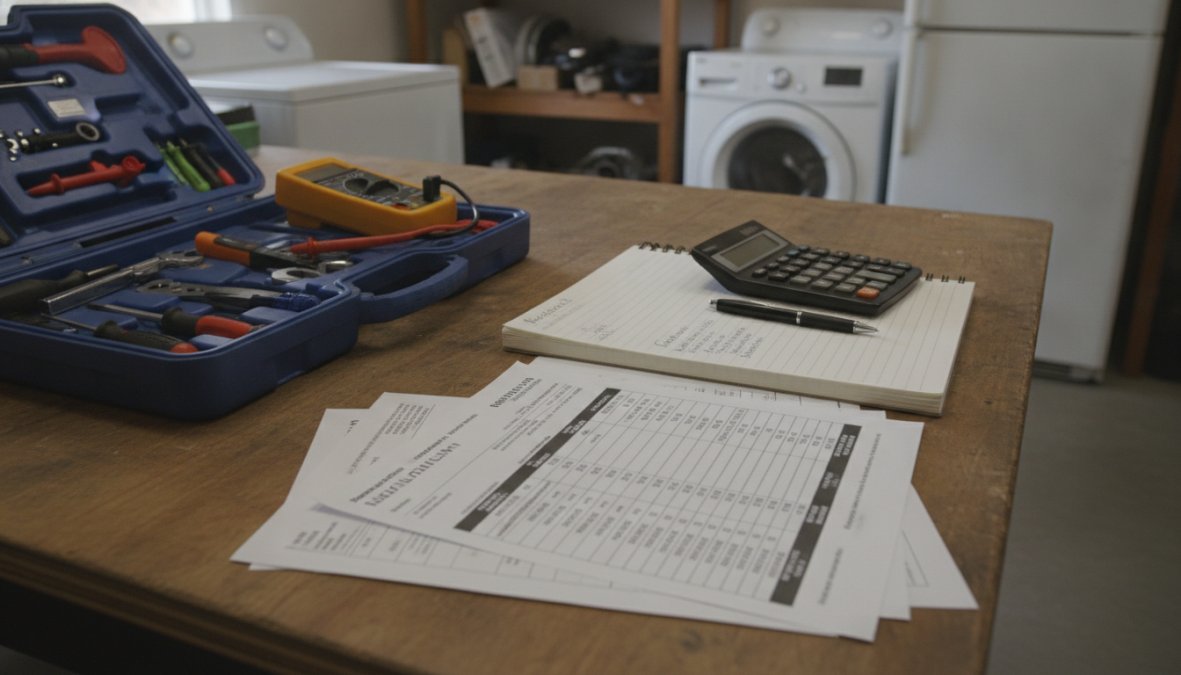
Refrigerators represent the largest share of service calls. A compressor failure costs $400-$800. An ice maker replacement costs $200-$400. A thermostat or defrost timer replacement runs $150-$300. A 10-year-old refrigerator with a failed compressor is often better replaced than repaired; new budget models start around $600-$800.
Dishwashers typically cost less to repair. A spray arm replacement runs $150-$250. A pump or motor replacement costs $250-$450. Most dishwasher repairs fall in the $200-$400 range, making repair economically sensible even for older units.
Washing machines vary by issue. A drum bearing failure costs $300-$600. A motor replacement runs $250-$500. A simple valve or hose replacement is $100-$250.
Dryers are among the most affordable to repair. A heating element replacement costs $150-$300. A thermal fuse is $100-$200 to replace. Most dryer repairs stay under $400.
Ovens and ranges depend on the issue. A heating element replacement is $150-$300. A control board failure can reach $300-$600.
Water heaters split between tank and tankless models. A heating element or thermostat replacement on a tank water heater costs $150-$350. Tankless water heater repairs can reach $400-$800 if the heat exchanger is involved.
Microwaves are the least expensive to repair. Magnetron replacement costs $200-$350. However, given that a new budget microwave costs $80-$150, repair is only justified for high-end models.
Factors Influencing Repair Costs in the Phoenix Area
Brand, age, and problem complexity form the core cost drivers. Newer appliances with digital controls cost more to repair because replacement control boards are expensive. Premium brands like Samsung and LG charge more for parts and service than budget brands.
Sealed-system work requires EPA 608 certification, which adds legitimacy and cost. Same-day service and emergency repair premiums add 30-50% to total cost. Location within the Phoenix metro affects pricing; central Phoenix typically has lower service call fees due to shorter travel distances. The technician's experience level also influences cost; certified, EPA 608-licensed technicians with 10+ years of experience cost more but often finish faster.
Repair or Replace an Appliance: Cost Comparison
A common rule: if repair cost exceeds 50% of a new appliance's price, consider replacement. However, age matters more than cost in some cases. Appliances typically last 10-15 years depending on brand and use.
A 14-year-old washing machine with a $400 repair might fail again within 2 years. A new washing machine with a 5-year warranty might be the smarter long-term investment.
When repair makes financial sense:
- Appliance is under 8 years old
- Repair cost is under 40% of replacement price
- No history of prior repairs on this unit
When replacement makes sense:
- Appliance is over 12 years old
- Repair cost exceeds 50% of replacement price
- Multiple repairs in the past 3 years
Disposal and Recycling Costs for Old Units
If you decide to replace an appliance, disposal and recycling add to your total cost. Appliance disposal in Phoenix runs $50-$150 per unit depending on the item. Refrigerators and freezers cost more because they contain refrigerants requiring EPA-certified handling.
When you purchase a new appliance from a major retailer, haul-away of the old unit is often included in the delivery fee or offered at a discount ($25-$50). Some appliances contain valuable metals that scrap yards will pay for, offsetting some disposal costs.
Phoenix Appliance Repair Warranty Coverage Explained
Manufacturer warranties typically cover defects in materials and workmanship for 1 year from purchase. Most reputable technicians offer a 30-90 day warranty on parts they install and labor they perform. Extended service plans purchased at appliance purchase cost $100-$300 and cover repairs for 3-5 years beyond the manufacturer's warranty.
When evaluating warranty coverage, read the fine print. Many warranties exclude certain components or charge a service call fee even if the repair is covered.
How to Get Appliance Repair Phoenix Free Estimate
Getting multiple estimates is the best way to understand fair pricing. When requesting an estimate, provide detailed information about the problem and ask whether the shop charges for the estimate visit and whether the fee is waived if you book the repair.
Request a written estimate that includes:
- Description of the problem and diagnosis
- Parts to be replaced (with part numbers and costs)
- Labor cost and hourly rate (if applicable)
- Service call fee and whether it's waived upon repair
- Any additional fees
- Warranty on parts and labor
- Timeline for completion
Compare estimates from at least three technicians. If one is significantly lower, ask why.
Choosing a Licensed and Insured Technician
Arizona doesn't require appliance repair technicians to be state-licensed for appliance-only work, but insurance is non-negotiable. A licensed and insured technician carries liability insurance protecting you if they damage your appliance or home during repair.
EPA 608 certification is required for any technician handling refrigerants. This certification proves the technician understands refrigerant safety and environmental regulations. Google Guaranteed or similar verification programs add credibility. Customer reviews on Google, Yelp, and Trustpilot provide real-world feedback. Ask for references; a technician confident in their work will happily provide 2-3 references.
What to Ask Before Booking Service
Before committing to a repair appointment, ask these questions:
- What's your diagnostic fee, and is it waived if I proceed with the repair?
- What's your service call fee, and does it include the first 30 minutes of labor?
- Do you stock this part, or will you need to order it?
- What's your warranty on parts and labor?
- Are there any additional fees, mileage, after-hours premium, refrigerant recovery, etc.?
- Can you provide a written estimate before starting work?
- What's your timeline for completion?
- Are you licensed and insured?
The cost of appliance repair in Phoenix varies widely, but informed homeowners who understand the pricing structure and compare estimates can avoid overpaying. When your appliance breaks down, call three licensed and insured technicians for free estimates and ask the right questions. Whether your refrigerator needs a sealed-system recharge, your dishwasher requires a new pump, or your water heater is leaking, the right technician will explain the problem clearly, provide a written estimate, and deliver quality workmanship without hidden fees.
| Appliance Type | Average Repair Cost | When Repair Makes Sense | When Replacement Makes Sense |
|---|---|---|---|
| Refrigerator | $200-$800 | Under 10 years old, first repair | Over 12 years old, compressor failure |
| Dishwasher | $200-$400 | Any age, under 40% of replacement | Over 15 years old with repeated failures |
| Washing Machine | $250-$600 | Under 8 years old, first repair | Over 12 years old, drum bearing failure |
| Dryer | $150-$400 | Any age (repairs are affordable) | Over 15 years old, heating element failure |
| Oven/Range | $200-$500 | Under 10 years old | Over 12 years old, control board failure |
| Water Heater | $150-$350 | Under 8 years old, element replacement | Over 12 years old, tank corrosion |
| Microwave | $200-$350 | High-end model | Budget model under $150 new |
Frequently Asked Questions
What's the average cost of appliance repair in Phoenix? Most appliance repairs cost between $200 and $500 including service call fees, parts, and labor. Major component failures can exceed $600.
Should I repair or replace my 12-year-old refrigerator? If the repair costs more than 40-50% of a new refrigerator's price and the unit has a history of prior repairs, replacement is typically better.
How can I avoid hidden charges on my appliance repair bill? Request a written estimate that itemizes all costs before work begins. Ask whether the diagnostic fee is waived upon repair completion.
What does EPA 608 certification mean? EPA 608 certification proves a technician is trained and authorized to handle refrigerants legally. This certification is required for any work on sealed systems.
Is it worth buying an extended warranty on a new appliance? Extended warranties are worthwhile for high-risk appliances or if you plan to keep the appliance 8+ years. For reliable appliances, self-insuring is often more cost-effective.
How long does an average appliance repair take? Simple repairs typically take 1-2 hours. Complex repairs requiring diagnosis or sealed-system work can take 3-4 hours or require multiple visits if parts need to be ordered.
Can I negotiate the price of an appliance repair? Yes. If you have multiple estimates, use the lowest reasonable quote as leverage with your preferred technician. However, don't choose solely on price; experience, licensing, insurance, and customer reviews matter more.
External Sources
According to Consumer Reports appliance reliability study, refrigerators and washing machines account for the highest repair costs among household appliances, with compressor and drum bearing failures representing the most expensive single repairs.
Research from Arizona Department of Consumer Affairs licensing requirements clarifies that appliance repair technicians in Arizona are not required to be state-licensed for appliance-only work, though all refrigerant handlers must carry EPA 608 certification.
The EPA regulations on refrigerant handling and recovery mandate that any technician performing sealed-system repairs must be EPA 608-certified and properly recover refrigerants before appliance disposal.
Frequently Asked Questions
How much does it cost to fix a refrigerator in Phoenix, AZ?
Refrigerator repair cost in Phoenix depends on the issue and parts needed. A service call fee covers the technician's diagnosis, while parts and labor are priced separately. Common fixes like thermostat or compressor repairs vary widely. For accurate pricing on your specific refrigerator repair, contact a licensed technician for a free estimate that outlines parts costs and labor charges.
What is the average labor rate for appliance repair in Phoenix?
Phoenix appliance repair pricing typically includes a service call fee for diagnosis, plus hourly labor rates for the actual repair work. Rates vary based on appliance type, repair complexity, and technician expertise. Licensed and insured technicians may charge differently than unlicensed ones. Always request upfront pricing before work begins to avoid hidden charges and ensure transparent billing.
Do appliance repair companies in Phoenix offer free estimates?
Many Phoenix appliance repair services offer free estimates or diagnostic consultations. Some charge a nominal service call fee that may be waived if you proceed with repairs. When calling for appliance repair Phoenix free estimate, ask if the diagnosis fee applies to the total repair cost. Transparent pricing upfront helps you make informed decisions about repair versus replacement options.
Is it cheaper to repair or replace an appliance in Phoenix?
Whether to repair or replace depends on the appliance's age, repair cost, and remaining lifespan. If repair costs exceed 50% of a new unit's price, replacement may be more economical. Consider warranty coverage, energy efficiency of newer models, and disposal costs for the old appliance. A qualified technician can advise whether your specific appliance warrants repair or if replacement is the smarter investment.
What factors affect the cost of appliance repair in Phoenix?
Key factors include the appliance type (refrigerator, dishwasher, oven), brand, age, and complexity of the problem. Service call fees, parts availability, labor rates, and whether same-day emergency service is needed all impact total cost. Seasonal demand, technician certification level, and warranty coverage also influence pricing. Request a detailed cost estimate that breaks down parts, labor, and any service fees.